National Dish France: Pâté de Foie Gras (Recipe)
In this article
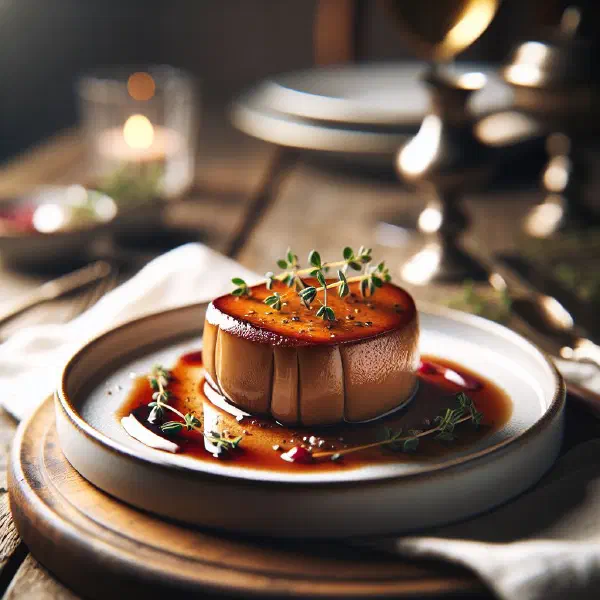
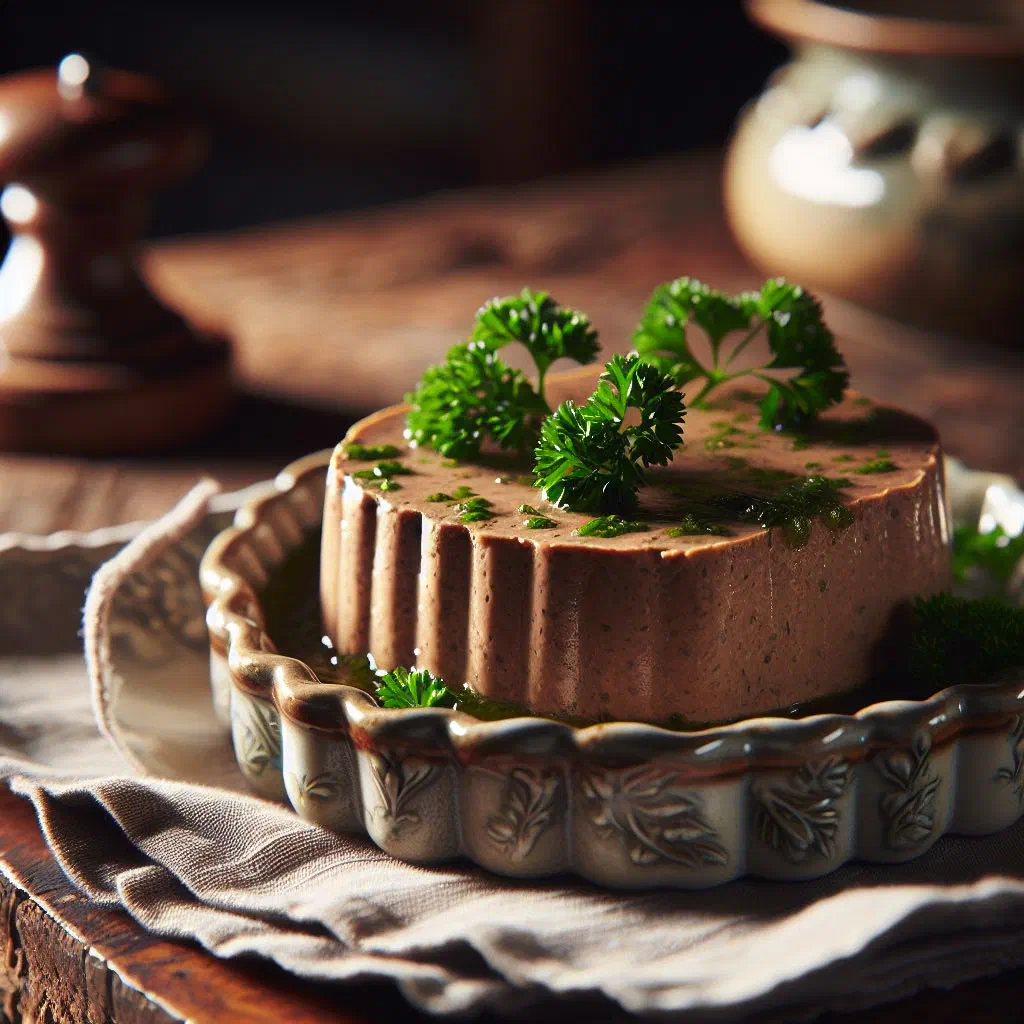
Treat yourself to Pâté de Foie Gras, one of the most refined jewels of French gastronomy. This silky liver paste, gently seasoned with fleur de sel, thyme and a measure of Cognac, has graced festive tables since the Middle Ages. Rich, velvety and unmistakably elegant, it turns any celebration into a true gourmet occasion. With a little care and good ingredients, you can recreate this exclusive delicacy in your own kitchen. Bon appétit.
About Pâté de Foie Gras
Pâté de Foie Gras is a traditional French dish made from the liver of duck or goose. This delicate speciality has a long history reaching back to the Middle Ages, and it is often reserved for special occasions. Its creamy texture and deep, indulgent flavour make it a treat cherished by food lovers the world over. Like the gentle slow-cooking behind a Civet de Lapin, a successful recipe rewards patience, and with one in hand you can bring this exclusive experience home.
Ingredients (serves 1–2)
- 200 g fresh goose liver or duck liver
- 1 tsp fleur de sel
- 1 pinch black pepper
- 1 splash Cognac or Armagnac
- 1 tsp fresh thyme leaves
- 1 garlic clove, finely chopped
- Butter, for greasing the moulds
Shopping for the ingredients
When buying ingredients for pâté de foie gras, quality is everything. Visit a good delicatessen or a specialist butcher to source fresh liver. Look for liver with a good colour and no unpleasant smell. It is also worth investing in high-quality seasonings such as fleur de sel, which will lift and round out the finished flavour.
Preparing the dish
Before you begin making the pâté de foie gras, it is important to prepare the liver properly. Remove any veins or membranes and cut the liver into pieces. Marinating it overnight in Cognac improves the flavour considerably. This is also the perfect moment to measure out your seasonings and have everything within easy reach, so the rest of the process runs smoothly.
Step-by-step instructions
- Combine the prepared liver in a bowl with the fleur de sel, pepper, thyme and garlic.
- Spoon the mixture into a baking dish or small individual moulds and press it down firmly.
- Cook the moulds in a water bath at 80°C for around 20 to 30 minutes.
- Once cooked, lift the moulds out of the water bath and leave them to cool.
- Chill the pâté in the fridge for at least 12 hours so the flavours can develop fully.
Gluten-free / lactose-free version
Pâté de foie gras is naturally gluten-free and lactose-free. You simply need to make sure no gluten-containing ingredients sneak in through the accompaniments or side dishes. Use fresh ingredients free of additives to ensure your dish meets every dietary requirement. For accompaniments you might reach for vegetables or a good gluten-free bread.
Tips for vegans and vegetarians
Classic pâté de foie gras is, sadly, not suitable for vegans or vegetarians. Even so, there are plant-based alternatives that can deliver a similar tasting experience. A pâté made from plant proteins, nuts or pulses, for example, can achieve that same creamy texture. Experiment with different spices and herbs to reach the flavour you are after, much as you would when building the savoury depth of a Tourte de Blettes.
More tips and tricks
If you really want to impress your guests, a few special touches go a long way. Try serving the pâté with a fruity chutney or an aromatic preserve to provide a sweet contrast. Toasted bread and fresh herbs alongside can also make a real difference to the taste. And do not forget the presentation, which only heightens the elegant impression of the dish.
Adapting the recipe to your taste
One of the great pleasures of making pâté de foie gras is how easily it adapts to personal preference. You can try different spirits to vary the flavour, or experiment with different herbs. You can also adjust the consistency by increasing or reducing the amount of cream or butter. This way you can be sure the result is perfectly tuned to your own palate.
Ingredient substitutions
If you cannot find goose liver, or would rather not use it, there is no need to worry. Many recipes for pâté de foie gras can be adapted by using chicken liver instead, the same approach that underpins a rustic Pâté de Lapin. You could also build the base around mushrooms or a blend of nuts to create a delicious vegan version. Experimenting with different ingredients keeps cooking exciting and full of surprises.
Drink pairing ideas
An exquisite dish like pâté de foie gras calls for first-class drinks that underline its flavours. A well-chilled Sauternes or a fruity Riesling harmonises beautifully with the rich texture of the pâté. A glass of Champagne, with its lively sparkle, can also strike a wonderful balance. Experiment with different wines to find your own personal favourite.
Serving and presentation ideas
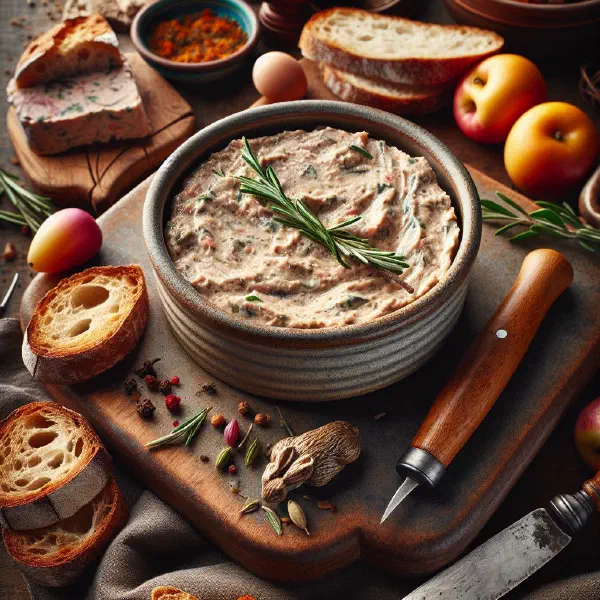
The way you present your pâté de foie gras can make a real difference to the impression it leaves on your guests. Serve the pâté on a handsome wooden board with fresh herbs and fruit. Edible flowers can elevate the dish further and lend it an elegant flourish. Remember to slice the pâté into attractive portions to make plating that much easier.
A bit of history
The history of pâté de foie gras stretches all the way back to the ancient Egyptians, who already practised an early form of liver preparation. Over the centuries the dish evolved and found enormous favour within French cuisine. It is regarded as a delicate and luxurious dish, often linked to special celebrations. Today the pâté enjoys an outstanding reputation worldwide and is a symbol of fine gastronomy.
More recipe ideas
Summary: Pâté de Foie Gras
In short, pâté de foie gras is a simple yet refined dish that impresses through both its making and its presentation. With high-quality ingredients and the right preparation technique, you can bring out its flavour and texture to perfection. Whether for a celebration or as a special treat just for yourself, this dish is very good. Give it a try and bring a piece of French gastronomy into your own kitchen.