National Dish France: Potée Lorraine (Recipe)
In this article
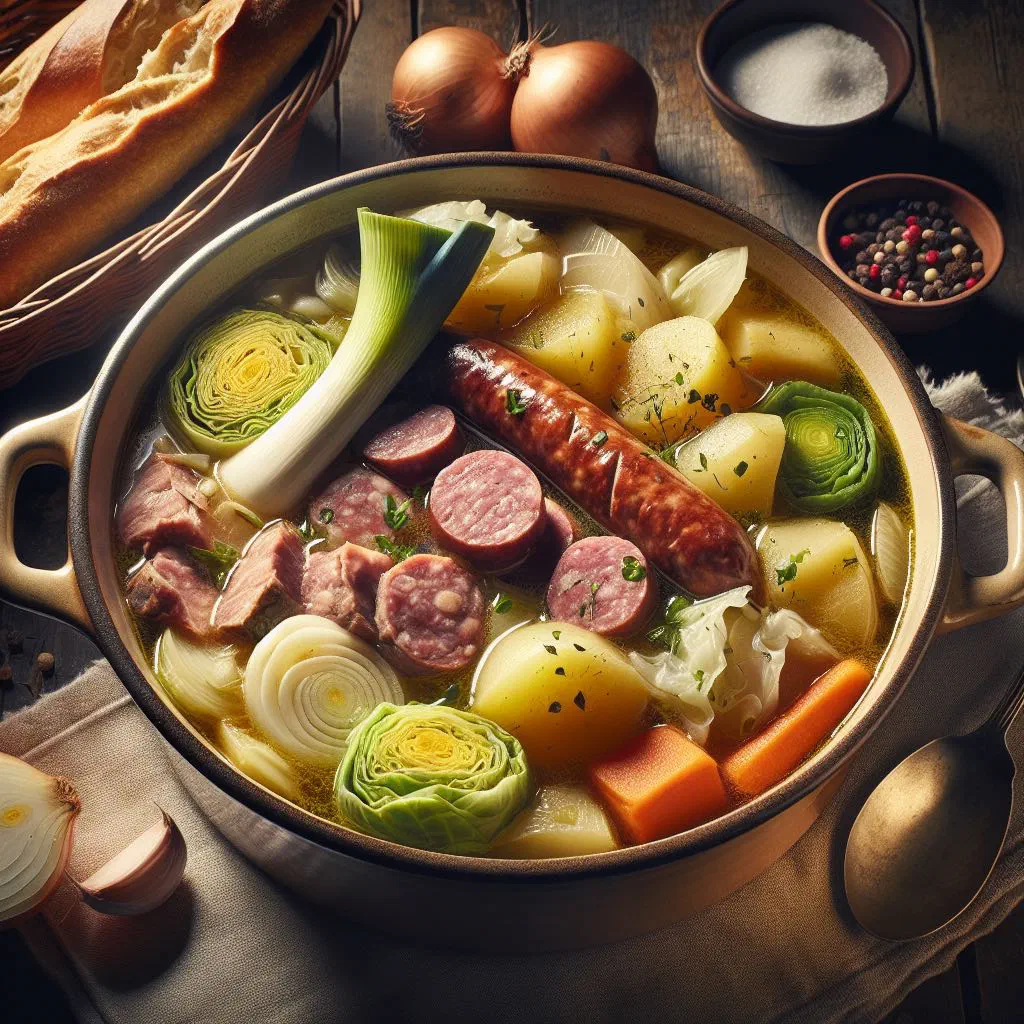
Tuck into Potée Lorraine, a rustic French stew straight from the heart of the Lorraine region. This warming one-pot dish brings together tender pork, fresh vegetables and fragrant herbs, all simmered slowly until everything turns meltingly soft. It is honest, comforting countryside cooking at its very best, the kind of meal that fills a kitchen with inviting aromas and gathers everyone happily around the table. Bring a taste of eastern France into your own home with this satisfying classic.
About Potée Lorraine
Potée Lorraine is a traditional dish from the Lorraine region of France. It is a hearty stew prepared in countless French homes, and its appeal lies in the combination of tender meat, fresh vegetables and aromatic seasonings. The ingredients are cooked together slowly, which gives the stew its comforting, warming character. The result is a deeply satisfying bowlful that captures the simple, generous spirit of rural French cuisine.
Ingredients (serves 1–2)
- 300g pork (e.g. neck or shoulder)
- 2 carrots
- 1 stick of celery
- 1 potato
- 1 onion
- 1–2 bay leaves
- Salt and pepper, to taste
- 1 litre vegetable or meat stock
Shopping for the ingredients
To make a really good Potée Lorraine you want fresh ingredients that are ideally both regional and seasonal. Visit your local market or supermarket to track down quality produce. Take particular care to choose good-quality pork, as this has a significant effect on the flavour of the finished stew. Fresh vegetables bring an intense aroma and add to the overall experience of the dish.
Preparing the dish
Cut the meat into even pieces and chop the vegetables into bite-sized chunks. This makes sure everything cooks evenly and lets the flavours develop properly. It also helps to have all your kitchen equipment and utensils ready to hand, so the cooking process runs smoothly from start to finish.
Step-by-step instructions
- Brown the meat in a large pot over medium heat until it takes on a golden colour.
- Add the onion and the prepared vegetables and sauté briefly.
- Pour in the stock and add the bay leaves, then bring to the boil.
- Season with salt and pepper, reduce the heat and let the stew simmer for about 1.5 to 2 hours, until the meat is tender.
- Serve the Potée Lorraine hot and enjoy it with fresh bread.
Gluten-free / lactose-free version
Potée Lorraine is naturally gluten-free and lactose-free, since its main ingredients are meat and vegetables. Even so, do check that the stock you use is also free from gluten. Avoid adding any ingredients that contain gluten, so you can sidestep any possible intolerances. You can enjoy this dish with complete peace of mind if you are sensitive to gluten or lactose.
Tips for vegans and vegetarians
For a vegan or vegetarian version of Potée Lorraine, replace the meat with a mix of richly flavoured vegetables. Add pulses such as lentils or chickpeas to provide the protein the dish needs. Season generously with herbs and spices to intensify the aromas. In this way you can create a delicious, plant-based take on the traditional stew, much like the comforting Salade de Lentilles that makes the most of humble pulses.
More tips and tricks
A few simple tricks make all the difference with Potée Lorraine. Reach for fresh, local herbs to boost the aromas, and experiment with different vegetables and cuts of meat to suit your own taste. Slow cooking at a low temperature allows the flavours to develop fully and leaves the meat especially tender. Where possible, let the stew rest a little before serving so the flavours have time to settle.
Adapting the recipe to your taste
Potée Lorraine is easy to adapt to different tastes and preferences. Add extra vegetables such as squash or courgette, for example, to give the dish more colour. The seasonings can be varied however you like to create new flavour combinations. Some prefer it spicier, while others go for a milder version, the possibilities really are endless. If you enjoy a meatier braise, the same logic carries over beautifully to a Ragout de Boeuf.
Ingredient substitutions
If you do not have every ingredient for Potée Lorraine to hand, there are some wonderful alternatives. Instead of pork, you can use chicken or beef. Vegetables such as parsnips or parsley root also make excellent additions. Experiment with different stocks, or use a homemade stock for even more flavour.
Drink pairing ideas
To round off Potée Lorraine perfectly, a glass of French red wine is hard to beat. Wines from the Lorraine region pair especially well and complement the dish beautifully. If you would rather avoid alcohol, a fresh herbal tea or a sparkling mineral water with lemon works wonderfully too. These drinks bring out the flavours of the stew and let them shine.
Serving and presentation ideas
Presentation matters when serving Potée Lorraine. Use deep plates or bowls to show the stew off at its best. Garnish with fresh herbs such as parsley or thyme to add colour and flavour. A piece of fresh baguette on the side makes an excellent accompaniment and completes the picture. For a rustic spread, set it alongside a loaf of Pain de Campagne.
A bit of history
Potée Lorraine has a long tradition in the cooking of Lorraine. It began life as a humble, frugal meal, since it could be made with simple, inexpensive ingredients. Over time the potée became a much-loved dish in Lorraine families and is today a fixture at celebratory occasions. It symbolises the rural cooking of France and stands for warm, open-hearted hospitality, a spirit it shares with the Alsatian classic Baeckeoffe.
More recipe ideas
Summary: Potée Lorraine
Potée Lorraine is a hearty, warming dish that wins everyone over with its simple, fresh ingredients. Follow the tips and recipe variations above and the potée is sure to become a highlight of your next gathering. Dive into the taste of France and enjoy the wonderful variety of French cuisine.