National Dish France: Potée Savoyarde (Recipe)
In this article
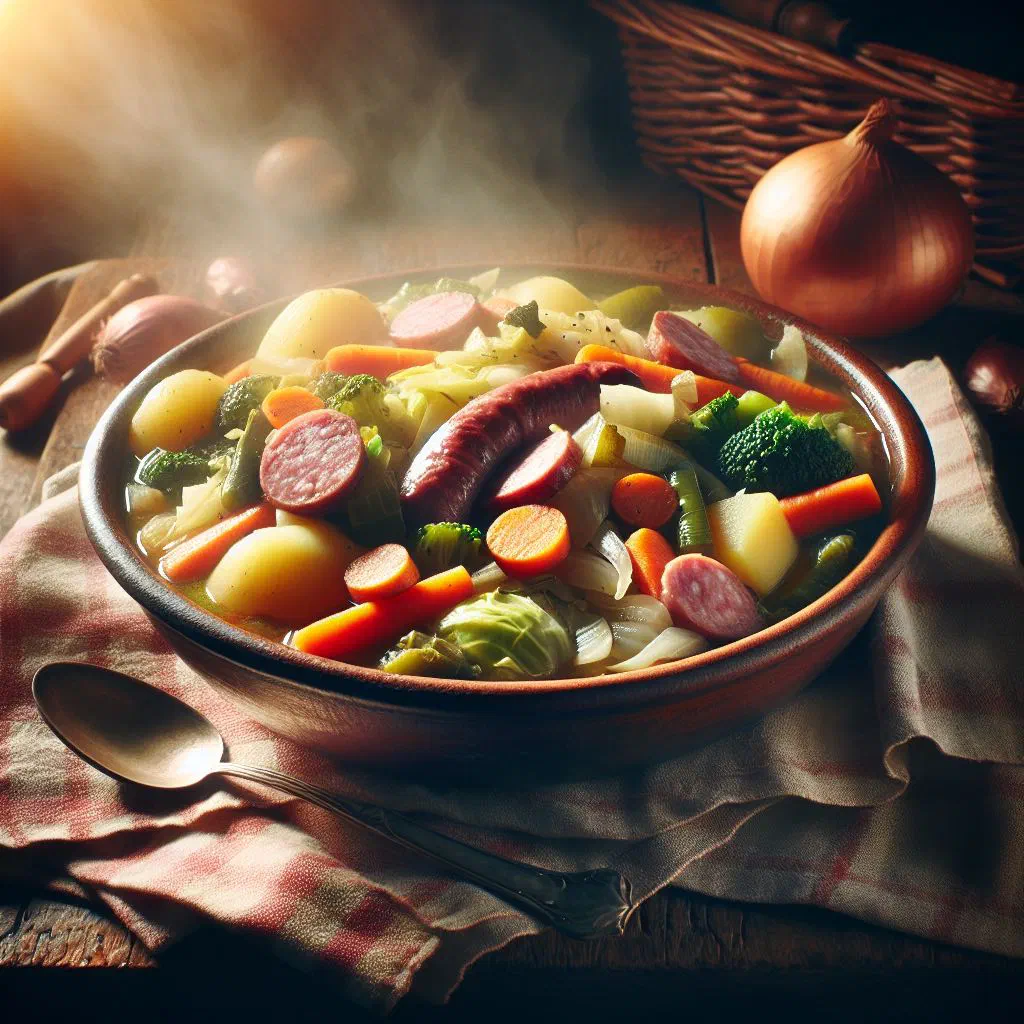
Few dishes capture the warmth of the French Alps quite like Potée Savoyarde, a rustic one-pot stew from the mountain region of Savoy. Tender pieces of beef and pork mingle with sweet carrots, leeks and cabbage in a fragrant, slow-simmered broth, the kind of food that thaws you out after a long day in the cold. Hearty, generous and deeply comforting, it is a true taste of Alpine country cooking that brings family and friends together around the table.
About Potée Savoyarde
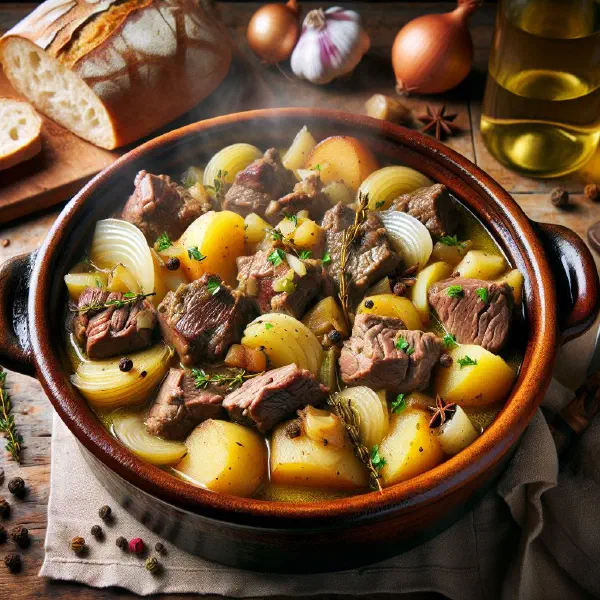
Potée Savoyarde is a traditional stew from the Savoy region of France, a dish that mirrors the robust, soul-warming flavours of the Alps. It brings together tender pieces of beef and pork, fresh seasonal vegetables and aromatic herbs, all simmered slowly until they yield a rich, unmistakable depth of flavour. More than just a meal, it is a small piece of French culture served in every bowl, and a beloved comfort dish on cold winter days. The marriage of meat, vegetables and a fragrant broth gives the potée its hearty, satisfying character.
Ingredients (serves 1–2)
- 300 g beef (such as brisket or shoulder)
- 200 g pork belly
- 2 carrots
- 1 leek
- 1 potato
- 1/2 head white cabbage
- 2–3 cloves garlic
- 1 litre vegetable stock
- 1 bouquet garni (bundle of herbs)
- Salt and pepper, to taste
Shopping for the ingredients
When shopping for the ingredients for Potée Savoyarde, it pays to focus on quality, as fresh vegetables and good cuts of meat make all the difference to the finished dish. Visit a local butcher for the beef and pork belly, and choose seasonal vegetables from your nearest market. Doing so gives you better flavour and supports local farmers and growers. A little care at this stage rewards you with a far more characterful stew.
Preparing the dish
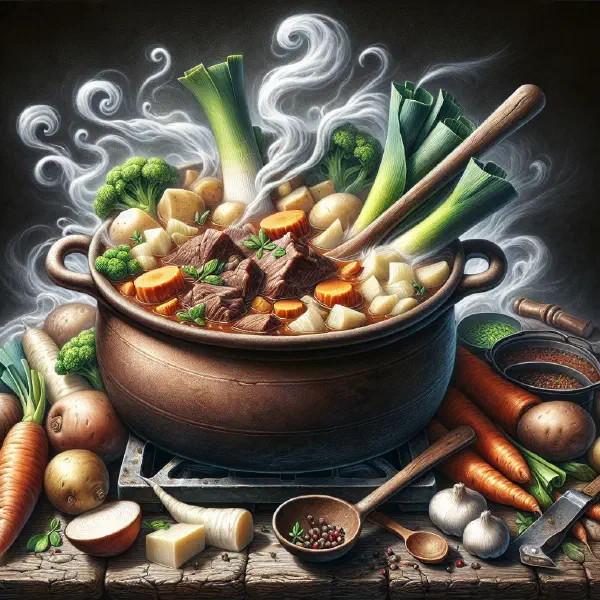
Preparing Potée Savoyarde begins with washing and chopping the vegetables thoroughly. Cut the carrots, leek, potato and white cabbage into even pieces so that everything cooks at the same rate. Peel the garlic cloves and lightly crush them to release their aroma. The meat can be cut into bite-sized cubes, which makes the cooking that follows far simpler. A tidy, well-organised work surface keeps the whole process relaxed and easy.
Step-by-step instructions
- Heat a large pot and add the cubed meat. Brown it over medium heat until it takes on a good colour.
- Add the garlic and all the vegetables, and continue to fry everything for a further 5–7 minutes.
- Pour the vegetable stock into the pot and add the bouquet garni.
- Bring the mixture to the boil, then reduce the heat and let it simmer gently for around 1.5 to 2 hours.
- Season the potée with salt and pepper to taste, and remove the bouquet garni before serving.
Gluten-free / lactose-free version
Potée Savoyarde is naturally gluten-free and lactose-free, which makes it an excellent choice for anyone with these dietary needs. Do take care, however, to check that every stock and ingredient you use is also free from gluten and lactose, since hidden traces can sometimes appear in pre-made products. With that small precaution, you can enjoy this dish with complete peace of mind, knowing it suits a wide range of diets.
Tips for vegans and vegetarians
For a vegan or vegetarian version of Potée Savoyarde, simply replace the meat with tofu or seitan and use a vegetable stock that contains no animal products. Add extra vegetables or pulses such as chickpeas or lentils to boost the protein content. These adjustments keep the dish just as appealing in flavour while making it every bit as nourishing. For another comforting meat-free idea from the region, try a Soupe de Lentilles.
More tips and tricks
A good Potée Savoyarde thrives on patience and a little love during the cooking. Don’t rush it, let the stew simmer gently over several hours, as this is what intensifies the flavours. Hurried cooking can leave the meat tough, so keep the heat low and steady. Another tip is to make the potée a day ahead and let it rest overnight in the fridge; it will taste even more aromatic the next day.
Adapting the recipe to your taste
Potée Savoyarde is easy to adapt to personal preference by varying the vegetables or the types of meat you use. Experiment with seasonal produce to keep things interesting and full of flavour. Different herbs and spices can be added too, opening the door to new taste experiences. Give your creativity free rein in the kitchen and make the dish your own, much as you would with a hearty Choucroute Garnie.
Ingredient substitutions
If some of the ingredients for Potée Savoyarde are hard to find, there are always good alternatives. Instead of beef or pork, for example, you could use chicken or even game to give the dish a distinctive character. The white cabbage can likewise be swapped for other varieties such as kale or savoy cabbage, depending on what is available and your own taste. Substitutions like these keep the recipe flexible all year round, in the same spirit as a Baeckeoffe.
Drink pairing ideas
The right drinks pair beautifully with a hearty Potée Savoyarde. A full-bodied red wine, such as a Savoy Mondeuse or a Syrah, harmonises wonderfully with the deep flavours of the stew. For those who prefer alcohol-free options, a homemade lemonade or a fresh herbal tea is a fine choice.
Serving and presentation ideas
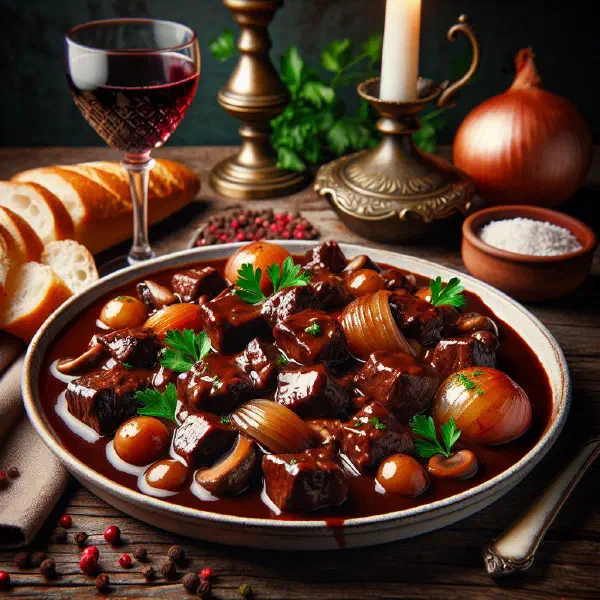
Presentation matters with Potée Savoyarde and helps you serve the dish at its most inviting. Use deep plates or bowls and garnish the stew with fresh herbs such as parsley or chives. A few crisp croûtons or a piece of fresh baguette on the plate add extra colour and texture. A thoughtful, loving arrangement makes the meal all the more enjoyable, especially when paired with a side of Pommes Anna.
A bit of history
Potée Savoyarde has a history rooted deep in the traditions of Savoyard cooking. Originally it was prepared by mountain farmers who needed simple yet nourishing food to sustain them through hard physical work. It is very much a dish of community, often cooked in large quantities and shared at festive gatherings or family meals. These cultural roots make the potée a symbol of hospitality and togetherness, a defining thread that runs through much of French cuisine.
More recipe ideas
Summary: Potée Savoyarde
Potée Savoyarde is more than just a stew; it is a piece of French tradition that wins you over with its simple preparation and hearty flavours. It brings together quality ingredients in a dish that is at once filling and deeply comforting. The potée carries the taste of the Alps straight to your table. Let this rustic masterpiece tempt you, and dive into the warm, generous world of Savoyard cooking.