National Dish France: Poulet Basquaise (Recipe)
In this article
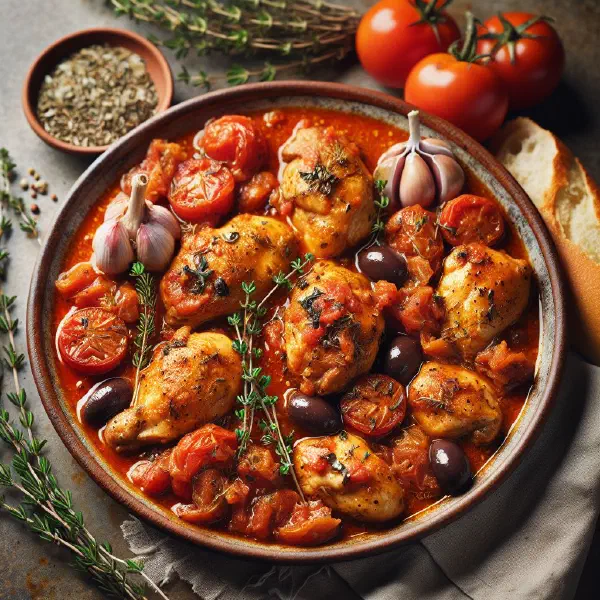
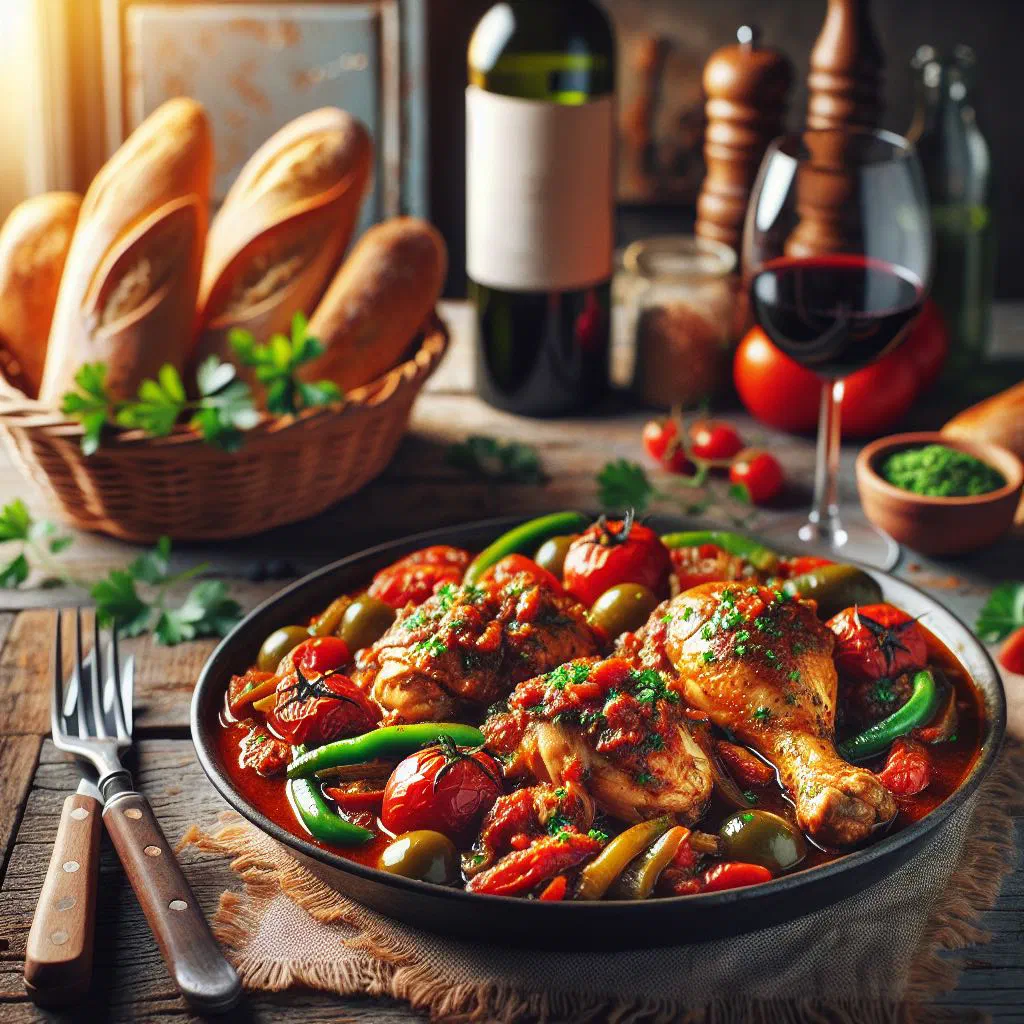
Discover Poulet Basquaise, the sun-soaked classic of France’s Basque Country. Tender chicken is simmered with sweet peppers, onions and ripe tomatoes, then lifted with a whisper of chilli and a handful of Mediterranean herbs. The result is a rustic, deeply comforting dish that feels equally at home at a festive dinner table or a relaxed family supper. Bring a taste of the south-west of France straight to your own kitchen.
About Poulet Basquaise
Poulet Basquaise is a hearty, aromatic dish that has its roots in the Basque region of France. This wonderful combination of tender chicken, fresh peppers, onions and tomatoes captures the culinary richness of one of the country’s most distinctive corners. A handful of Italian herbs and a touch of chilli give the dish its special character, the sort of flavour that appeals to anyone who loves good food. Poulet Basquaise is a treat for everyone who enjoys French cuisine.
Ingredients (serves 1–2)
- 2 chicken breast fillets
- 1 red pepper
- 1 yellow pepper
- 1 onion
- 2–3 tomatoes (or one tin of chopped tomatoes)
- 2 cloves of garlic
- Olive oil
- Italian herbs (basil, oregano)
- 1 small pinch of chilli
- Salt and pepper to taste
Shopping for the ingredients
To make a delicious poulet basquaise, it is worth choosing fresh, high-quality ingredients. Visit a local market or a wholefood shop to find the best vegetables, the ones with real, vivid flavour. Make sure the chicken is fresh and good quality so the dish stays beautifully tender. Most of the ingredients are also widely available in ordinary supermarkets, which makes the whole recipe easy to put together.
Preparing the dish
Before you start cooking, all the ingredients should be properly prepped. Cut the peppers, onions and tomatoes into small pieces so they cook evenly. Finely chop the garlic for an intense, fragrant aroma. Keep everything within easy reach so the cooking runs smoothly and the dish comes together quickly.
Step-by-step instructions
- Heat the olive oil in a large pan and brown the chicken breast fillets on both sides until golden.
- Add the chopped onions and garlic and fry until soft and translucent.
- Stir in the peppers and tomatoes and let everything simmer over a medium heat.
- Season with Italian herbs, chilli, salt and pepper, then cook gently for around 20–25 minutes until done.
Gluten-free / lactose-free version
Poulet basquaise is naturally gluten-free and lactose-free, as long as you do not add any ingredients that contain those things. Just check that everything you use, such as spices and oils, is also free from gluten and lactose. That makes the dish ideal for anyone with the corresponding intolerances, much like the naturally light Salade de Lentilles.
Tips for vegans and vegetarians
For a vegan or vegetarian version of poulet basquaise, you can swap the chicken for tofu, seitan or a plant-based meat alternative. These offer a similar texture and soak up the flavours of the dish beautifully. Keep an eye on the cooking time, as plant-based alternatives often cook through more quickly. Combine the dish with a generous variety of vegetables to bring even more flavour to the table.
More tips and tricks
A few simple tricks can make poulet basquaise even tastier. Use fresh herbs for extra flavour and aroma. If you like to experiment, try different varieties of pepper to tailor the dish to your taste. And if it turns out a little too spicy, you can soften it with a dollop of yoghurt or a splash of cream sauce.
Adapting the recipe to your taste
Vary the ingredients to make poulet basquaise your own. Add extra vegetables such as courgette or aubergine for more texture and body. Experiment with different herbs and spices to create a flavour that is uniquely yours. The heat is easy to adjust too: simply use more or less chilli, exactly as you like it.
Ingredient substitutions
If you do not have all the ingredients to hand, there are easy alternatives. Instead of fresh tomatoes you can use tinned tomatoes, which are often already seasoned. If you are out of peppers, carrots or broccoli make a good stand-in. Getting creative with what you have lets you vary the recipe while bringing welcome variety to the table.
Drink pairing ideas
To round off poulet basquaise perfectly, choose your drinks with care. A light white wine, such as a Sauvignon Blanc, harmonises wonderfully with the flavours of the dish. For alcohol-free options, a minty lemonade or a fresh iced tea make refreshing companions. A glass of sparkling water with lemon is another excellent choice.
Serving and presentation ideas
The presentation of poulet basquaise can be lifted with very little effort. Serve the dish in a pretty earthenware pan to underline its rustic character. Garnish with fresh herbs such as basil or parsley for an extra splash of colour. Sides like rice or fresh baguette can also be arranged attractively on the plate, much as you would with a comforting Hachis Parmentier.
A bit of history
Poulet basquaise is more than just a dish; it is part of the rich cultural tradition of the Basque Country. The region is known for its varied, full-flavoured cooking, which has long had a strong influence on both French and Spanish cuisine. Its ingredients reflect the fertile land and the nearness of the sea. Historically the dish was often served at festivals and special occasions, and it remains hugely popular in French gastronomy to this day, sitting comfortably alongside classics like Coq au Vin–style Poulet à la Crème.
More recipe ideas
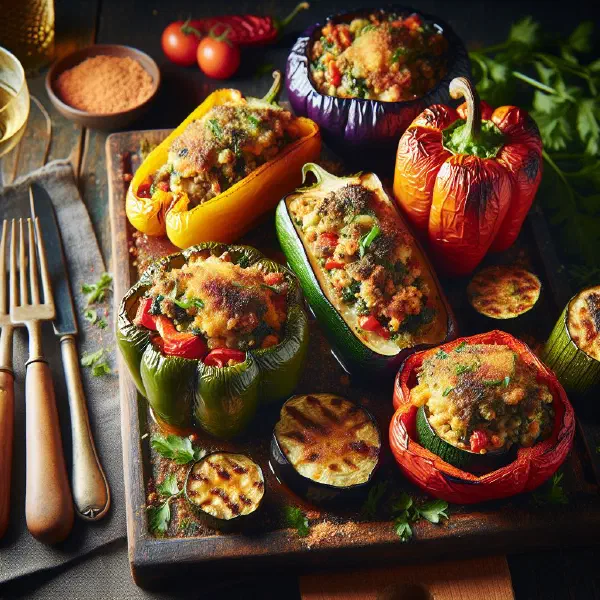
- Ratatouille–style Petits Farcis Niçois
- Poulet à la Crème
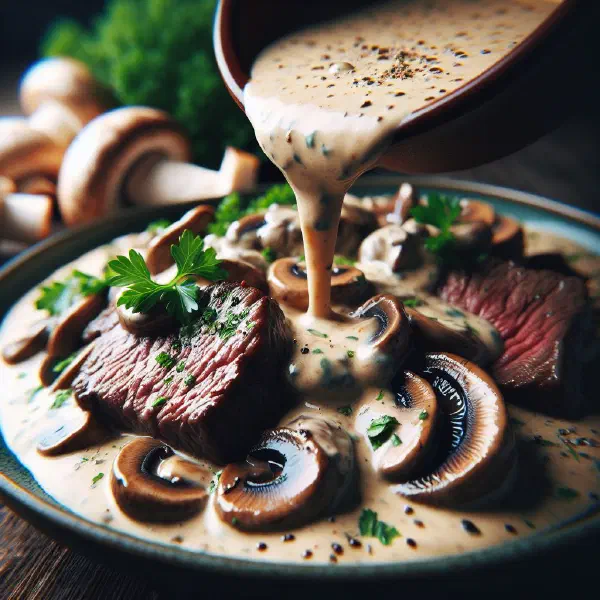
- Ragout de Boeuf
- Brochettes de Poulet
- Salade de Lentilles
Summary: Poulet Basquaise
In summary, poulet basquaise is a wonderful dish that appeals to with fresh ingredients and a wealth of flavour. It brings a slice of French joie de vivre to the table and suits both special occasions and everyday meals. With its many possibilities for adaptation, it works just as well in traditional kitchens as in modern ones. Treat yourself and your guests to this delicious Basque experience.