National Dish France: Ragout de Boeuf (Recipe)
In this article
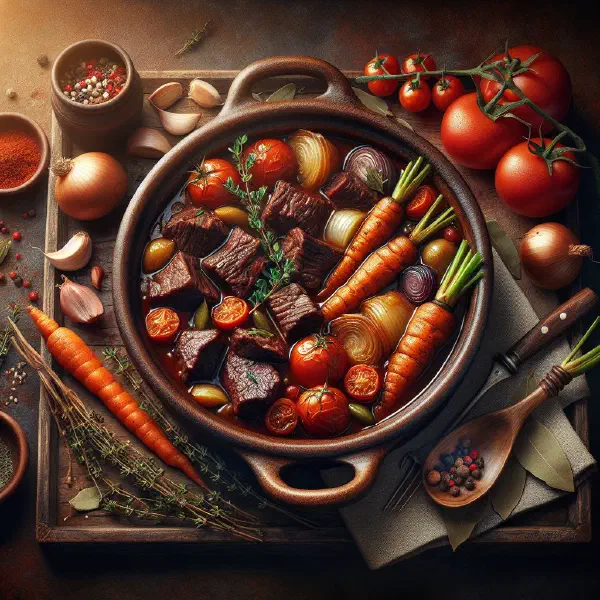
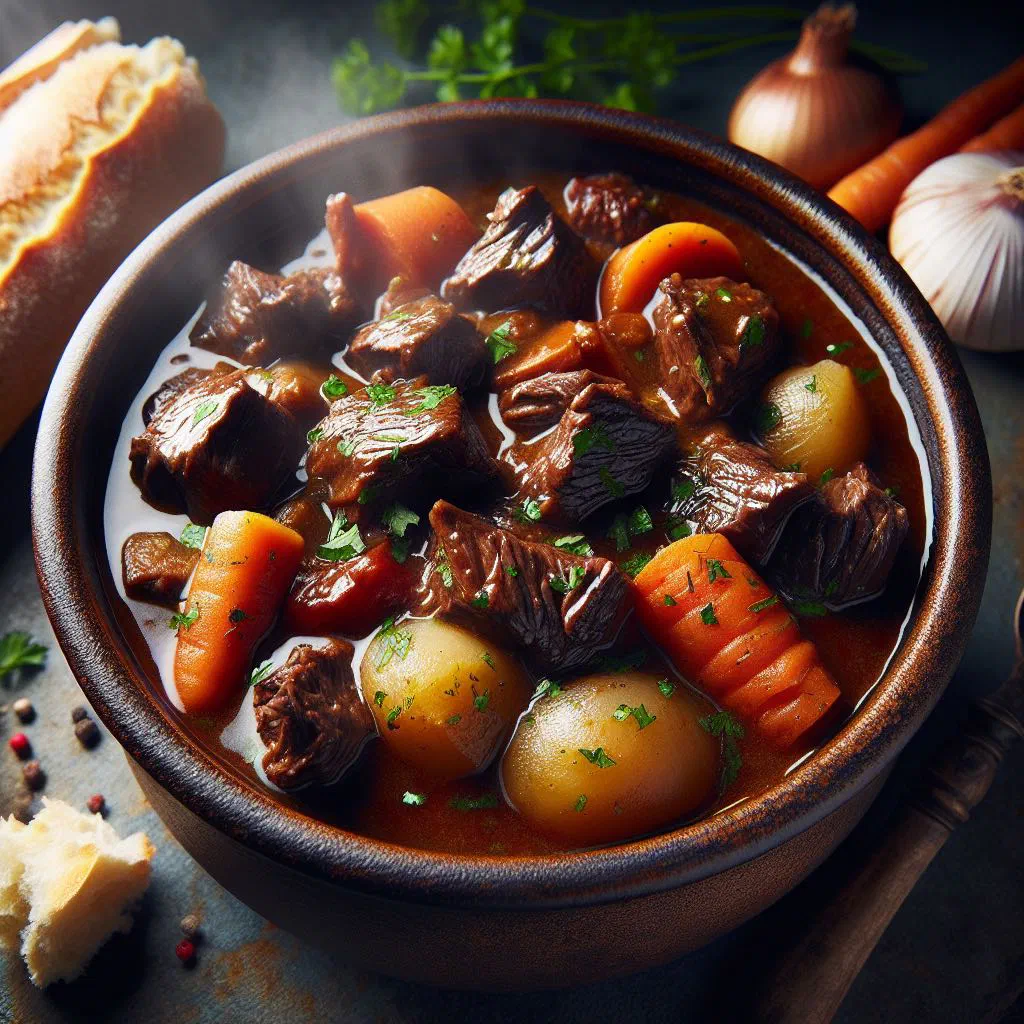
Settle in for Ragout de Boeuf, the slow-cooked beef stew that sits at the very heart of French home cooking. Tender chunks of beef are braised for hours with carrots, onions and red wine until the meat all but melts and the sauce turns deep and glossy. Fragrant with thyme and bay, it is the kind of generous, unhurried dish made for family gatherings and long, convivial evenings. Bring a taste of the French countryside to your own table.
About Ragout de Boeuf
Ragout de Boeuf is a classic French dish prized for its rich, aromatic character. It is traditionally made with tender beef, fresh vegetables and a generous handful of herbs, all left to cook gently together. The long braising time allows the flavours to develop fully and renders the meat beautifully soft. Ideal for family celebrations or sociable evenings, this dish offers a window onto the refined craft of French cookery.
Ingredients (serves 1–2)
- 300 g beef (e.g. shoulder or leg)
- 2 carrots
- 1 onion
- 2 cloves of garlic
- 200 ml red wine
- 500 ml beef stock
- 2 tablespoons tomato purée
- A few sprigs of thyme
- 1 bay leaf
- Salt and pepper, to taste
Shopping for the ingredients
When shopping for the ingredients for a perfect Ragout de Boeuf, the quality of the beef is decisive. Look for meaty cuts suited to slow braising, such as the shoulder or leg mentioned above. Fresh vegetables matter just as much in coaxing out the full flavour of the dish. Be sure to choose fresh herbs and a good-quality beef stock to deepen and intensify the aromas.
Preparing the dish
Preparing the dish begins with cutting the beef into even cubes, which helps the meat cook through uniformly during braising. Next, the carrots and onion should be chopped into small pieces for a harmonious look and a consistent taste throughout. The garlic, too, should be finely chopped so its flavour can develop to its fullest.
Step-by-step instructions
- Brown the beef on all sides in a large pot with a little oil until it has taken on a good colour.
- Add the onions, carrots and garlic and let them cook briefly alongside.
- Stir in the tomato purée and toast it for a minute.
- Deglaze with the red wine and bring to a quick boil to cook off the alcohol.
- Add the beef stock, thyme and bay leaf, bring to the boil, then lower the heat.
- Cover and let the dish braise gently over low heat for around 2–3 hours, until the meat is tender.
- Before serving, season with salt and pepper and remove the herbs.
Gluten-free / lactose-free version
The gluten-free and lactose-free version of Ragout de Boeuf is fairly straightforward. As this recipe contains no gluten-bearing ingredients, it is naturally gluten-free. Just make sure the beef stock you use is gluten-free too. The dish is likewise lactose-free as long as no butter or cream is added, which makes it ideal for anyone with those intolerances.
Tips for vegans and vegetarians
For vegans and vegetarians, a delicious ragout is easy to put together. In place of beef, use a combination of mushrooms, lentils and other vegetables such as celery or peppers. These ingredients offer a similar texture and can be braised just as long to intensify the flavours. A good vegetable stock is a fine alternative for the base liquid and lends the dish a lovely plant-based note.
More tips and tricks
A few extra tips and tricks can make your Ragout de Boeuf even tastier. Let the dish rest a little after cooking so the flavours can fully settle. Browning the meat properly is also crucial, as it builds a deeper base of flavour. Experiment with different herbs, such as rosemary or parsley, to give the dish a personal touch, much the same approach that lifts a hearty Boeuf Bourguignon is at home here too.
Adapting the recipe to your taste
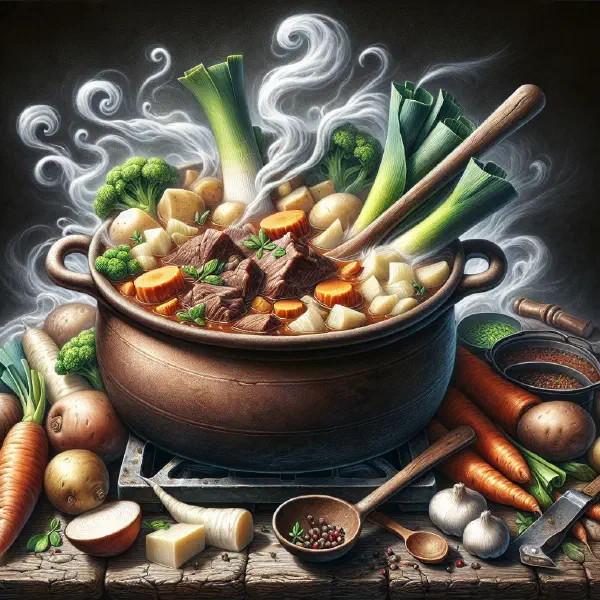
To adapt the recipe to your own taste, you can vary the vegetables freely. Anything from wholesome beans to root vegetables works well and folds neatly into the dish. For a spicier result, add chilli or peppers. The choice of wine can shift the flavour of the ragout too, so you can keep creating new taste experiences.
Ingredient substitutions
Should you struggle to source certain ingredients, there are plenty of substitutions to hand. Chicken stock, for instance, can stand in for beef stock if the dish is made without beef. As a wine alternative, grape juice or an alcohol-free option works nicely. You can also swap out the tomato purée for puréed tomatoes or a small spoonful of ketchup to bring the touch of sweetness the dish needs.
Drink pairing ideas
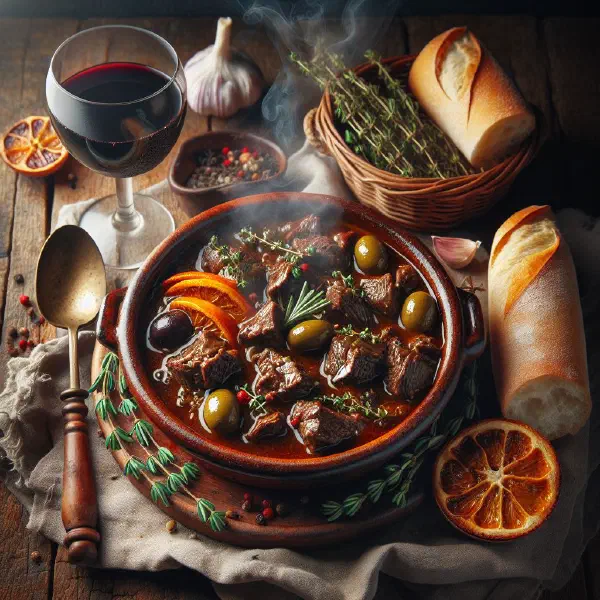
A range of drinks pairs particularly well with a hearty Ragout de Boeuf. A robust red wine, such as a Bordeaux or a Merlot, harmonises beautifully with the flavours of the dish. Alternatively, alcohol-free options such as grape juice or sparkling water with a squeeze of lemon balance the richness nicely. For something a little different, a craft beer also makes a fine companion.
Serving and presentation ideas
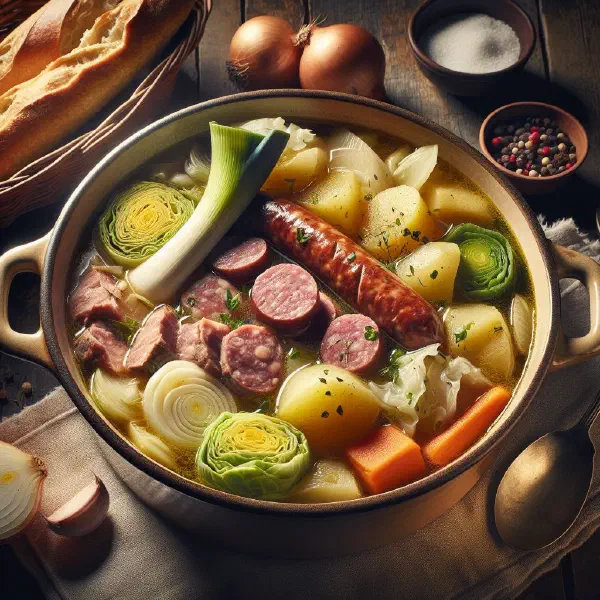
The presentation of a Ragout de Boeuf can lift the whole experience considerably. Serve the ragout in deep bowls and garnish it with fresh herbs such as parsley or thyme for a splash of colour. Round it out with crusty baguette or mashed potato for an inviting combination, a glass of Sauce Béarnaise on a steak it is not, but the comfort is every bit as French. Candles and stylish tableware add a special atmosphere to your dinner.
A bit of history
The roots of Ragout de Boeuf reach back to the 17th century, when it became a common way of preparing meat dishes in France. It was originally cooked by poorer households as a means of turning less prized cuts of meat into something delicious. Over time, the dish evolved into an exquisite part of French haute cuisine and found its way onto the menus of fine restaurants. Today it is a symbol of the rich, welcoming culture of French cuisine.
More recipe ideas
Summary: Ragout de Boeuf
In short, Ragout de Boeuf is an indispensable dish of French cookery, captivating through its versatility and its flavour. With careful preparation and good-quality ingredients, you can create a hearty, welcoming meal that appeals to on special occasions and everyday alike. This dish showcases the art of slow cooking and the knack of conjuring a feast from simple ingredients. Let the aromas win you over and enjoy a little French flair in your own home.