National Dish France: Ratatouille Niçoise (Recipe)
In this article
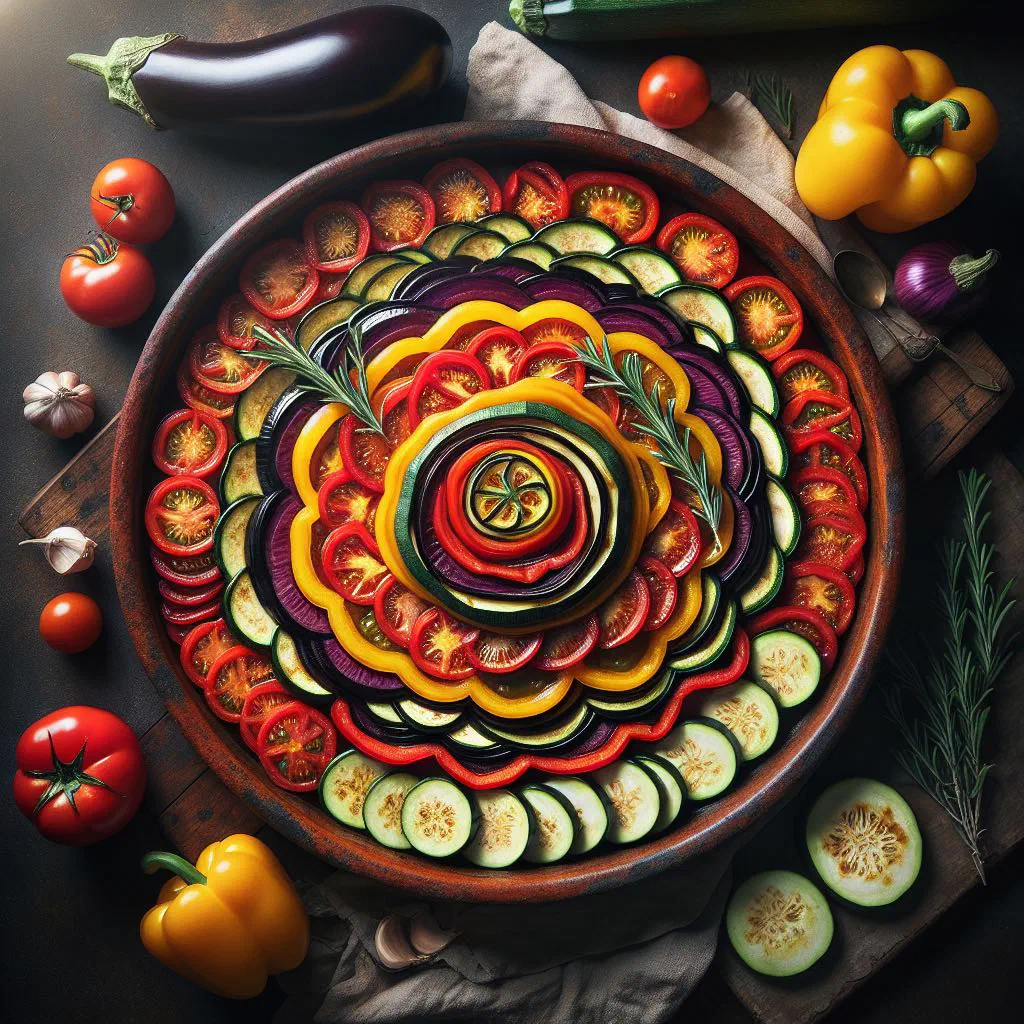
Soak up the sunshine of the Mediterranean with Ratatouille Niçoise, a rustic vegetable stew born in the warm kitchens of Nice. Glossy aubergine, courgette, sweet peppers and ripe tomatoes are gently coaxed together with olive oil and fragrant herbs until every spoonful tastes of southern France. Light yet deeply satisfying, it shines as a vegetarian main or as a bright side, and it brings a little Provençal warmth to any table.
About Ratatouille Niçoise
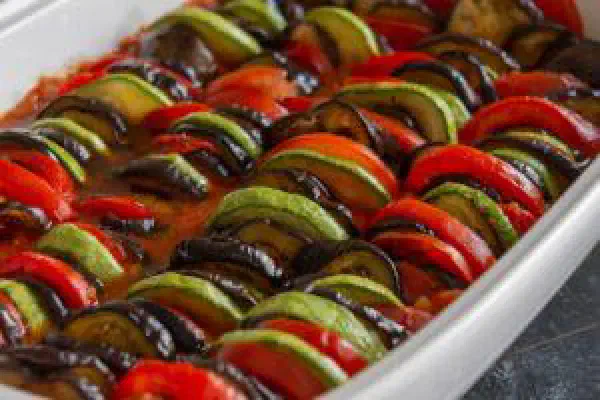
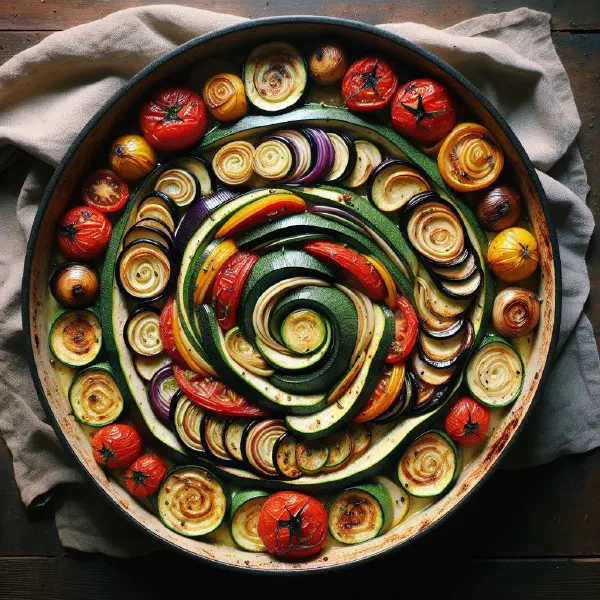
Ratatouille Niçoise is a traditional dish from sunny Nice that captures the very essence of the Mediterranean. It brings together a colourful medley of fresh vegetables, aubergine, courgette, peppers and tomatoes, that meld into one harmonious, fragrant whole. Finished with good olive oil and fresh herbs such as thyme and basil, it carries a distinctive, sun-ripened flavour. It works beautifully both as a side for meat dishes and as a light, vegetarian main course in its own right.
Ingredients (serves 1–2)
- 1 small aubergine
- 1 small courgette
- 1 red pepper
- 2 ripe tomatoes
- 1 onion
- 2 cloves garlic
- 3 tablespoons olive oil
- 1 teaspoon fresh thyme
- 1 teaspoon fresh basil
- Salt and pepper, to taste
Shopping for the ingredients
To make a really flavoursome ratatouille niçoise, it is worth seeking out the best ingredients you can find. Visit your local market or a well-stocked greengrocer to pick up fresh, seasonal vegetables. Choose produce that is ripe and free of blemishes, as the quality of the vegetables has a marked effect on the finished dish. A good olive oil and genuinely fresh herbs are just as important for that aromatic result.
Preparing the dish
Careful preparation is the key to a successful ratatouille. Begin by washing the vegetables thoroughly and peeling them where needed. Cut the aubergine, courgette and pepper into even cubes so they cook at the same rate. The onion and garlic should be finely chopped to release their flavour to the full. A tidy work surface makes the whole process calmer and more enjoyable.
Step-by-step instructions
- Heat the olive oil in a large pan over a medium heat.
- Add the onion and garlic and cook until soft and fragrant.
- Add the aubergine and fry for about 5 minutes, until lightly golden.
- Stir in the courgette and pepper and cook for a further 5–7 minutes.
- Finally add the tomatoes, thyme, basil, salt and pepper, and combine well.
- Lower the heat and let the ratatouille simmer for 15–20 minutes, until the vegetables are tender.
- Serve warm or at room temperature.
Gluten-free / lactose-free version
Ratatouille niçoise is naturally suited to a gluten-free and lactose-free diet, as it is made entirely from fresh vegetables and healthy fats. Simply check that any olive oil and seasonings you buy are free from gluten-containing additives. These qualities make the dish a wonderful choice for anyone with food intolerances. Better still, the pure, natural flavour of each vegetable comes through completely unmasked.
Tips for vegans and vegetarians
For vegans and vegetarians, ratatouille niçoise is an excellent option, since it is entirely plant-based. You can adapt it freely by adding extra vegetables or pulses such as chickpeas or lentils for a more protein-rich version. It also pairs beautifully with quinoa or wholegrain rice, making it more filling and nourishing. Enjoy the versatility of the dish by experimenting with different herbs and spices, much as you might with a hearty Salade de Lentilles.
More tips and tricks
A few simple tips can deepen the flavour of your ratatouille niçoise. Roasting the vegetables in the oven, for instance, gives the dish more depth and concentrates the aromas. A pinch of smoked paprika can also lend an intriguing, gently smoky note. Try a few different approaches until you arrive at your own personal favourite ratatouille.
Adapting the recipe to your taste
The wonderful thing about ratatouille niçoise is how adaptable it is to your own palate. If you like a little heat, add some chilli; for a sweeter note, fold in roasted peppers or carrots. This dish is so versatile that there is a version to please just about everyone.
Ingredient substitutions
If you do not have every ingredient for ratatouille niçoise to hand, there are plenty of alternatives. In place of aubergine you might use courgette or pumpkin, and instead of fresh tomatoes you can reach for a jar of passata to build the sauce. Be creative and use what you have available, the same resourceful spirit that shines in a Velouté de Légumes, for an equally delicious result.
Drink pairing ideas
Ratatouille niçoise pairs beautifully with a range of drinks. A light, fresh white wine such as a Sauvignon Blanc complements the flavours of the vegetables perfectly, while a crisp rosé underlines the Mediterranean mood. For an alcohol-free option, try sparkling mineral water with a squeeze of lemon, or a fruity lemonade that echoes the freshness of the dish.
Serving and presentation ideas
Presentation can make all the difference when you want to impress your guests with ratatouille niçoise. Serve it in a large, generous bowl or on a rustic wooden board to play up the Mediterranean feel. Finished with fresh herbs and a drizzle of your best olive oil, it is a feast for the eyes as much as the palate. Small dishes of accompaniments or a plate of fresh bread round off the spread nicely.
A bit of history
The history of ratatouille reaches back to the 18th century and the region of Provence. The name comes from the French word ratatouiller, meaning “to stir” or “to mix”. Originally conceived as a simple, country dish, it has since grown into an icon of French cooking. Over the years countless variations have emerged around the world, while the core vegetables have always remained the same, a true ambassador of French cuisine.
More recipe ideas
Summary: Ratatouille Niçoise
Ratatouille niçoise is a versatile, aromatic and wholesome dish that captures the flavours of Mediterranean cooking to perfection. With little effort and a handful of fresh ingredients, it is easy to prepare and endlessly adaptable. It suits any occasion. Let French cooking inspire you and enjoy a little slice of southern France in your own home.