National Dish France: Rillettes (Recipe)
In this article
Discover Rillettes, one of France’s most cherished charcuterie classics. This rustic spread of slow-cooked, meltingly tender meat folded back into its own savoury fat is the very soul of unfussy French country cooking. Spread generously over a slice of crusty baguette, it makes a very good snack or starter that feels at once humble and indulgent. With a little patience, you can bring this timeless taste of the French countryside straight to your own kitchen.
About Rillettes
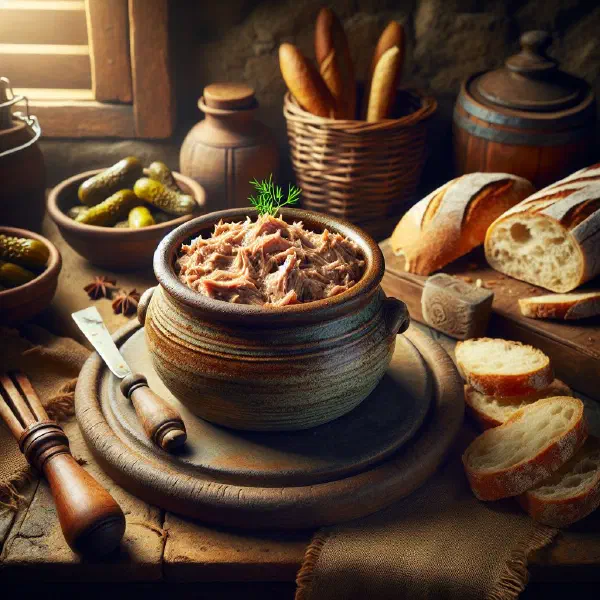
Rillettes are a classic French delicacy, most often served as a spread. They hail originally from western France and are prized for their rich, deeply savoury flavour. The method involves gently slow-cooking the meat, which is then shredded and blended back together with fat to give that signature soft, spreadable texture. Rillettes can be made with a range of meats, with pork and duck being the best-known variations.
Ingredients (serves 1–2)
- 300 g pork (e.g. shoulder)
- 100 g pork belly
- 1 onion, finely chopped
- 2 cloves garlic, crushed
- 2 cups poultry stock
- 1 tsp thyme
- Salt and pepper to taste
- A little fat (e.g. lard or butter) for frying
Shopping for the ingredients
When shopping for the ingredients for rillettes, it is well worth paying attention to the quality of the meat. Fresh, top-quality pork makes a real difference to the flavour of the finished dish. Many butchers also offer particular cuts of pork that are ideal for slow cooking, much like the meat that gives Rillettes de Porc its character. Wherever possible, choose regional produce to guarantee freshness and quality.
Preparing the dish
Preparing rillettes takes a little time and patience, but it is absolutely worth it. Begin by cutting the pork and the pork belly into evenly sized pieces so they cook through at the same rate. Mix the onion, garlic and seasonings together in a bowl and add the meat. This blend is what gives rillettes their distinctive taste, so take your time to bring the aromas together well.
Step-by-step instructions
- Heat the fat in a large pan and brown the meat and pork belly until lightly coloured.
- Add the onion, garlic and seasonings, and let everything fry for a few minutes.
- Pour in the poultry stock, bring the mixture to the boil, then reduce the heat.
- Cover the pan and let the meat gently simmer for around 2 to 3 hours, until it is meltingly tender.
- Lift the meat from the pan, let it cool a little, then shred it with a fork or by chopping.
- Fold the shredded meat back into the remaining liquid and allow everything to cool.
Gluten-free / lactose-free version
Rillettes are naturally gluten-free and can easily be made lactose-free by using a lactose-free fat or oil. Take care that no gluten-containing ingredients sneak in during preparation, particularly in spices and stocks. Use the ingredient list as a guide to finding the best alternatives.
Tips for vegans and vegetarians
Although rillettes are traditionally made with meat, a vegan or vegetarian version can be created using plant-based ingredients. Try roasted aubergines or sunflower seeds, for instance, which take on a texture similar to the original once blended. Adding herbs and spices can deepen the flavour and give the dish real character. Experiment with different vegetables to create your own personal vegan rillettes.
More tips and tricks
To refine the flavour of your rillettes, you can fold in a variety of herbs and spices. Experiment with rosemary, bay leaf or even paprika to discover new aromas. Be sure to store the rillettes in an airtight container in the fridge so they keep for longer. That way you always have a delicious spread on hand to impress family and friends, much as you would with a Terrine de Canard.
Adapting the recipe to your taste
Rillettes lend themselves wonderfully to your personal preferences. If you prefer something less rich, for example, you can reduce the amount of fat and use a little more stock instead. Like it with a kick? Add some chopped chillies or a pinch of cayenne to give your creation extra warmth. Tweaks like these make the recipe your own and give your creativity in the kitchen free rein.
Ingredient substitutions
If you do not have every ingredient to hand, there are plenty of alternatives worth considering. Instead of pork, you could use chicken or duck, both of which make equally delicious rillettes. For a deeper, more intense flavour, you can also work in some smoked meat or bacon, the same gutsy approach that shines in a Pâté de Lapin.
Drink pairing ideas
Plenty of drinks pair beautifully with rillettes. A light white wine or a fruity rosé is ideal for carrying the savoury flavours. A cool beer or a zingy lemonade also makes a refreshing companion to this dish. When choosing your drink, let personal taste and the occasion be your guide.
Serving and presentation ideas
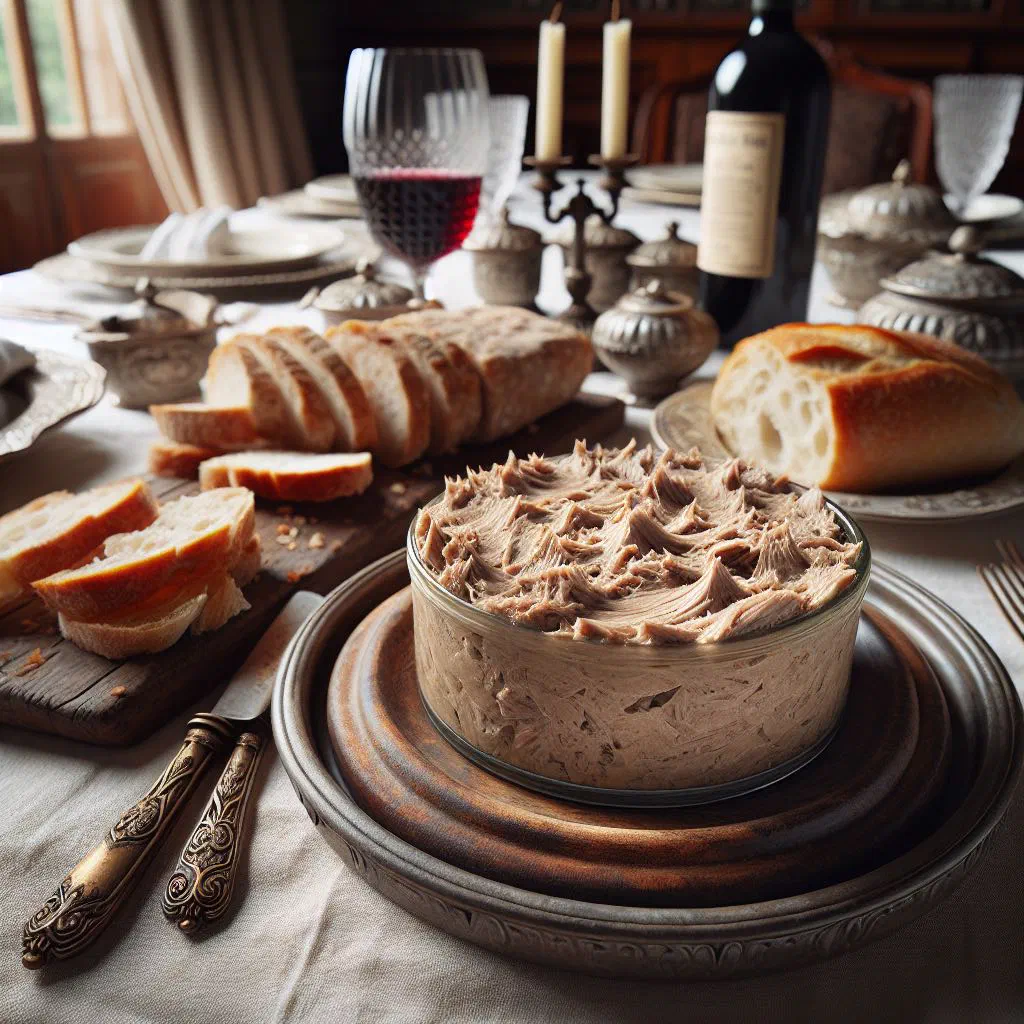
The way you present your rillettes can add a great deal to the pleasure of the dish. Serve them in a decorative jar or bowl and garnish with fresh herbs to bring colour and freshness. Offer a selection of crusty bread, perhaps a Pain de Campagne, or fresh vegetables for dipping to create an inviting, generous table. A spread like this immediately whets your guests’ appetite.
A bit of history
The history of rillettes reaches back to the 15th century, when they were popular across France as a way of preserving meat. The original method served to keep meat edible for longer by sealing it under fat. Over the years the recipe has evolved into a much-loved fixture of traditional French cuisine, the kind you find celebrated throughout French cuisine. Today rillettes appear in countless variations in restaurants and bistros all over the country.
More recipe ideas
Summary: Rillettes
Rillettes are a delicious French delicacy that is surprisingly easy to make at home. With quality ingredients and a little patience, you end up with a hearty dish that is perfect for sharing. Through various tweaks you can shape this recipe entirely to your own taste. Savour the wealth of flavours and the history behind this classic dish.