National Dish France: Rouille (Recipe)
In this article
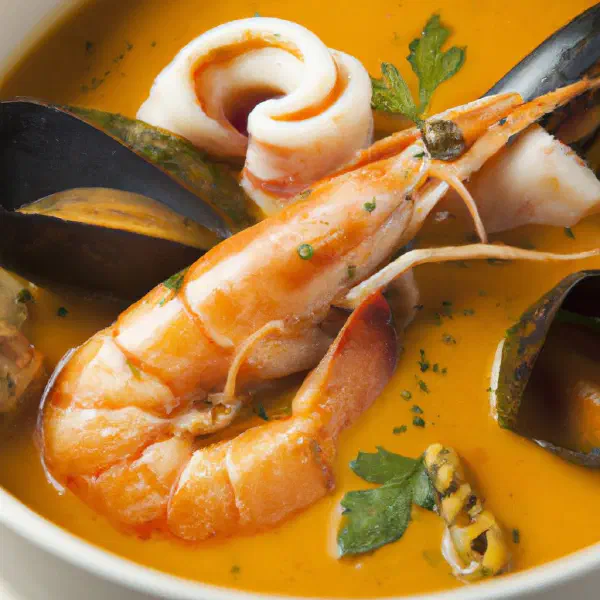
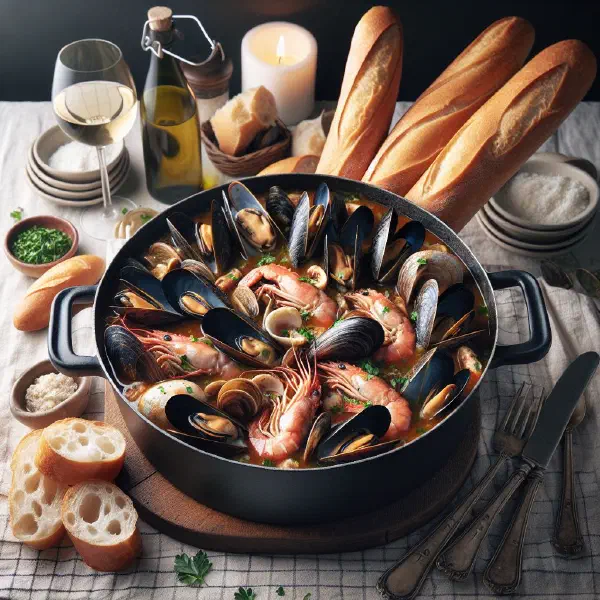
Meet Rouille, the fiery, sun-warmed garlic sauce that gives the cooking of Provence so much of its character. Loosely the French cousin of an aïoli, it is the classic companion to bouillabaisse and a whole range of fish dishes, lending them a glossy, golden richness. Built on garlic, saffron and a good fruity olive oil, it is rustic and elegant all at once, a little spoonful that turns a simple bowl of soup into a celebration of the Mediterranean coast.
About Rouille
Rouille is a traditional French garlic sauce with its origins in the cooking of southern France. It is best known as the partner to bouillabaisse, the aromatic fish soup of the Mediterranean, but it works beautifully alongside many other fish dishes too. The sauce owes its bold, savoury flavour to a clever combination of garlic, saffron and paprika, all bound into a smooth, creamy emulsion. With its intense taste and silky texture, rouille is an undisputed highlight of French gastronomy, much like a good Sauce Béarnaise or a classic Sauce Hollandaise.
Ingredients (serves 1–2)
- 2–3 garlic cloves
- 1 egg yolk
- 1–2 teaspoons Dijon mustard
- 1–2 teaspoons paprika
- A pinch of saffron
- 100–150 ml olive oil
- 1–2 teaspoons lemon juice
- Salt and pepper, to taste
Shopping for the ingredients
When shopping for the ingredients for rouille, it is well worth paying attention to quality. Fresh garlic and a good olive oil are decisive for the flavour of the finished sauce. For the saffron, try to choose genuine threads rather than cheaper dyed substitutes, as they give both colour and a proper depth of taste. Most of the ingredients are easy to find in any well-stocked supermarket, while the saffron and a fine Dijon mustard are often best sourced from a delicatessen.
Preparing the dish
Before you begin, it pays to gather and prepare all of your ingredients so the sauce comes together smoothly. Peel and finely crush the garlic cloves to draw out their full flavour. The egg yolk can be used straight from the fridge, but ideally it should be at room temperature to help the sauce emulsify properly. Make sure everything else is within easy reach as well, so you can keep stirring without interruption once the olive oil starts to go in.
Step-by-step instructions
- Put the crushed garlic into a bowl.
- Add the egg yolk and the Dijon mustard, and stir well to combine.
- Mix in the paprika and the saffron, blending everything together thoroughly.
- Add the olive oil drop by drop, whisking constantly, until you have a smooth, glossy emulsion.
- Season to taste with salt, pepper and a squeeze of lemon juice.
Gluten-free / lactose-free version
Rouille is naturally gluten-free and can be made lactose-free with no trouble at all, since it contains no dairy whatsoever. That makes it an ideal choice for anyone following a special diet. Simply double-check that all of your ingredients, the olive oil and the spices in particular, carry no hidden gluten or lactose. With that small precaution, even people with food intolerances can enjoy this delicious sauce to the full.
Tips for vegans and vegetarians
To make rouille vegan, replace the egg yolk with a plant-based mayonnaise or with aquafaba, the liquid drained from a tin of chickpeas. Both alternatives give you a similar creamy consistency and a comparable taste. Take care to choose vegan versions of the mustard and olive oil as well, avoiding any hidden animal products. With these simple swaps, vegans and vegetarians can savour rouille just as much as everyone else.
More tips and tricks
For the very best flavour, it is worth making your rouille a few hours before serving so the aromas have time to mingle and deepen. Store the sauce in an airtight container in the fridge until you need it. When it is time to serve, garnish the rouille with a dusting of paprika or a sprig of fresh herbs to lift its appearance. It is an easy way to impress your guests with a sauce that looks as good as it tastes.
Adapting the recipe to your taste
Rouille is easy to adjust to suit your own preferences. Experiment with different spices, such as a pinch of cayenne pepper or chilli, if you would like a hotter, more fiery edge. Fresh herbs like parsley or chives can be folded in for a brighter, greener note. With a few tweaks like these, your rouille becomes a personal creation tailored precisely to your palate.
Ingredient substitutions
If you do not have any saffron to hand, turmeric makes an affordable stand-in: it will not match the flavour exactly, but it gives the sauce a similar warm, golden colour. In place of Dijon mustard you can use a milder mustard to soften the bite of the sauce. For a lighter version, swap the olive oil for another vegetable oil such as rapeseed oil, much as you might lighten a richer Beurre Blanc Sauce. Bear in mind, though, that changes like these will alter the true character of a rouille.
Drink pairing ideas
Rouille pairs wonderfully with a range of wines, especially a light, dry white such as Sauvignon Blanc or a crisp rosé. These wines complement both the sauce and the fish dishes it accompanies, making them an ideal match. For an alcohol-free option, a refreshing lemon and mint lemonade makes a lovely partner at the table. Either choice rounds out the meal and brings the whole spread together.
Serving and presentation ideas
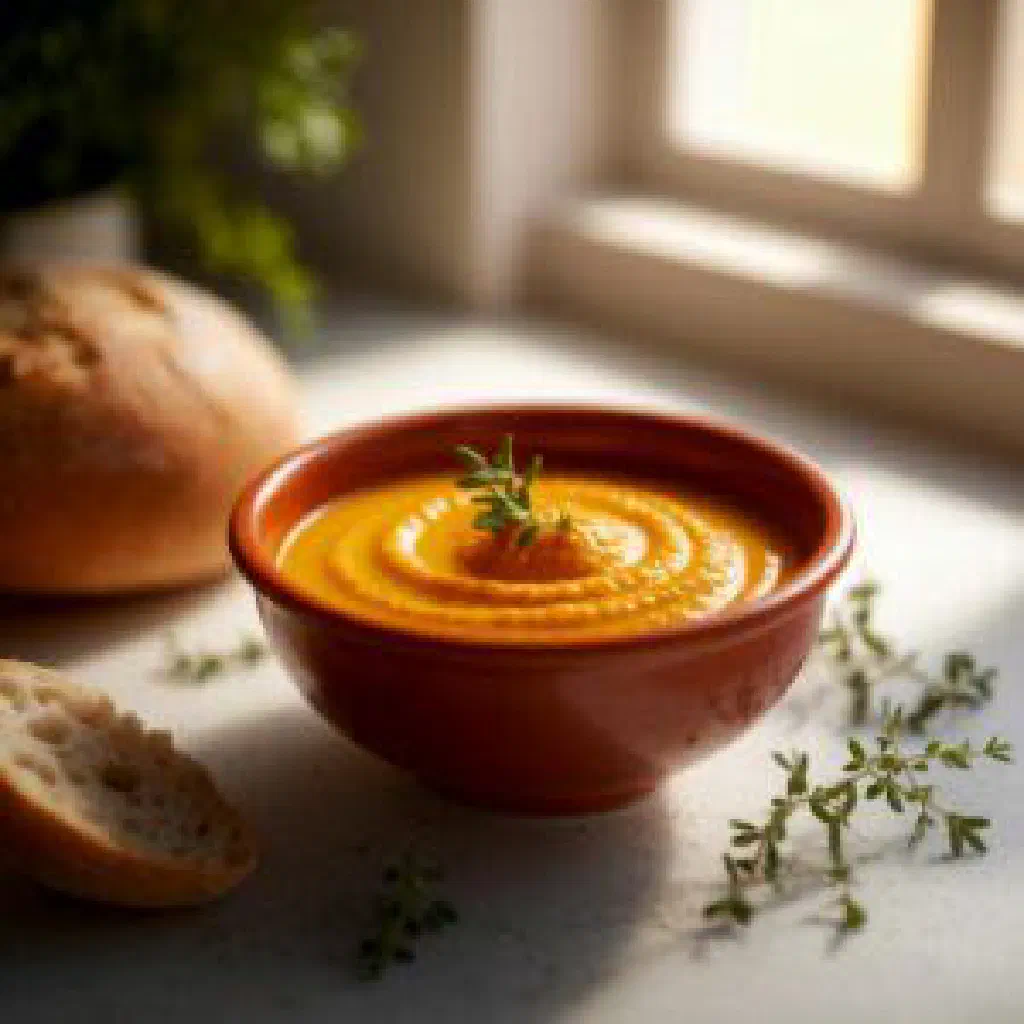
To present rouille at its best, serve it in small individual ramekins set around the table. A pretty little spoon alongside makes it easy and inviting for guests to help themselves. One charming idea is to offer the rouille with fresh bread or toasted rounds of baguette, much as you would with a Soupe de Lentilles or a hearty Velouté de Légumes. It creates a visual focal point and encourages everyone to dig in.
A bit of history
Rouille has its roots in Provence, where it was traditionally served as an accompaniment to fish dishes. The name rouille means “rust”, a nod to the warm, reddish colour of the sauce. Historically it was made by fishermen to intensify the flavours of their freshly caught seafood, stirring it into broths and soups. These deep cultural roots make rouille a significant part of French cuisine and its enduring culinary traditions.
More recipe ideas
Summary: Rouille
Rouille is an indispensable part of French cuisine, a sauce that promises both conviviality and pure enjoyment. With its handful of simple ingredients and an almost effortless preparation, it can lift your cooking to a whole new level. Whether spooned over fish dishes or offered as a bright accompaniment, this garlic sauce never fails to bring pleasure to the table. Treat your loved ones to this delicate Provençal classic and introduce them to the bright, sun-soaked flavours of the south of France.