National Dish France: Sabayon (Recipe)
In this article
Meet Sabayon, a wonderfully light French dessert that turns a handful of simple ingredients into something quietly spectacular. Made by whisking egg yolks and sugar with wine over gentle heat, it has a delicate, airy texture and a rich, warming flavour. Equally lovely served warm over fresh fruit or chilled in a pretty glass, it suits any occasion, a little taste of France to bring to your own table.
About Sabayon
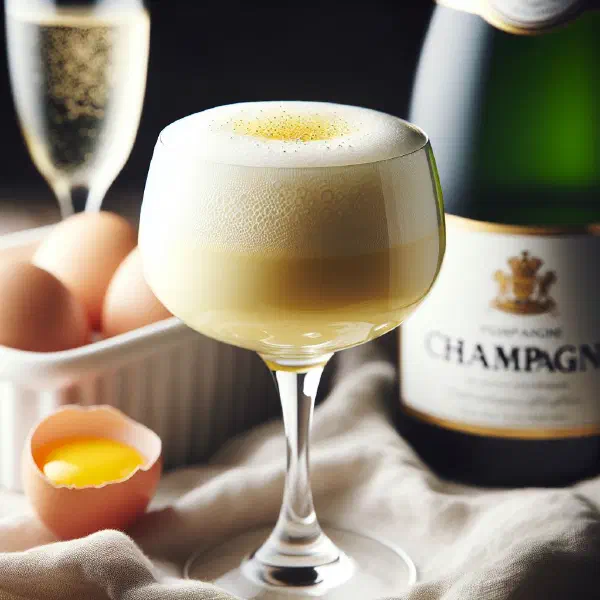
Sabayon has its roots in both French and Italian cooking and is often described as a frothy custard, made by whisking egg yolks and sugar together with an alcoholic drink. Traditionally it was prepared with Marsala wine, though these days other wines such as white wine or even champagne work just as well. This versatile cream can be served either warm or cold and never fails to impress with its fine, light consistency.
Ingredients (serves 1–2)
- 2 egg yolks
- 50 g sugar
- 100 ml white wine or Marsala
- A pinch of salt
- Fresh fruit or biscuits, to serve (optional)
Shopping for the ingredients
When shopping for the ingredients for your sabayon, it pays to pay attention to quality. Use the freshest eggs you can find for the best result, as they form the very base of the cream. For the sugar, you can choose refined sugar or an alternative sweetener depending on your taste. Be sure, too, to pick out a good-quality wine or Marsala, which gives the dessert its distinctive character.
Preparing the dish
Before you start making your sabayon, it is worth getting all your ingredients ready and within easy reach. Separate the egg yolks from the whites and place the yolks in a heatproof bowl. Measure out the sugar and the wine so you don’t lose any time while cooking. Set up a bain-marie as well, a pan of simmering water over which you’ll sit the bowl, so the cream cooks gently and evenly.
Step-by-step instructions
- In a heatproof bowl, whisk the egg yolks and sugar together well until you have a creamy, pale mixture.
- Add the white wine or Marsala and whisk the mixture vigorously.
- Heat water in a pan and set the bowl over it, making sure the base of the bowl does not touch the water.
- Keep whisking over medium heat until the mixture turns thick and foamy.
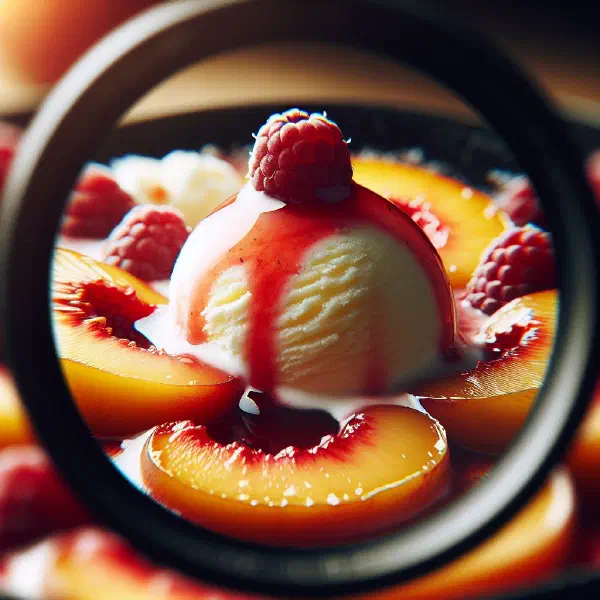
- Serve the sabayon straight away, warm over fresh fruit or in bowls with biscuits.
Gluten-free / lactose-free version
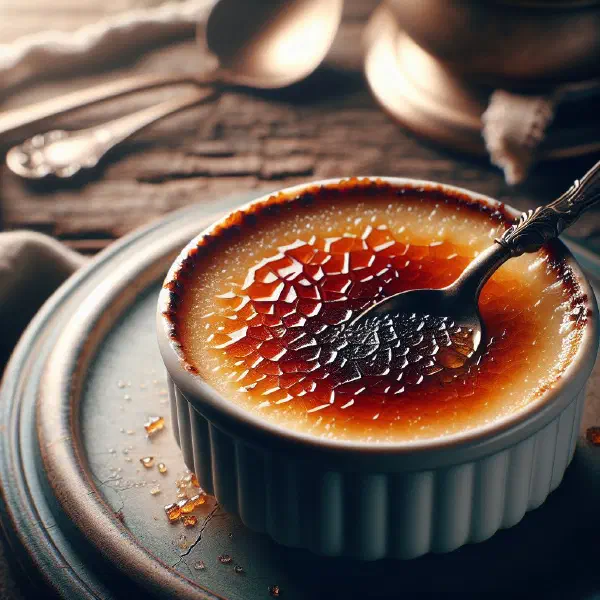
One of the best things about sabayon is that it is naturally gluten-free and lactose-free, since it relies only on eggs, sugar and wine. That makes it an excellent dessert choice for anyone with particular dietary needs. Simply take care when choosing your wine to ensure it contains no gluten-based additives. You can adapt the recipe with no fuss at all to suit your guests perfectly, much like a Crème Caramel made with the right swaps.
Tips for vegans and vegetarians
For vegans, there are ways to recreate a similar texture and flavour for sabayon using plant-based alternatives. Instead of egg yolks, you can use aquafaba, the water from a tin of chickpeas, which whips up into a foamy consistency. Choose a vegan sugar and plant-friendly wines too, so the recipe stays true to its spirit. It won’t be quite the same, but the flavours can be just as delicious and the texture every bit as appealing.
More tips and tricks
A handy trick for the perfect sabayon is to whisk constantly while it cooks, so the heat is spread evenly throughout. Take care that the heat isn’t too high, or the eggs may curdle. If you’d like to liven your sabayon up a little, you can also add vanilla or other flavourings such as citrus, which pair beautifully with the wine.
Adapting the recipe to your taste
Sabayon is hugely flexible and easy to tailor to your own preferences. In place of white wine, for instance, you could use chocolate or fruity flavours to bring a whole new dimension to your dessert. Remember to vary the amount of sugar to reach exactly the level of sweetness you like. Your creativity in the kitchen is what turns this delicious dessert into a real experience.
Ingredient substitutions
If you can’t or would rather not use eggs, try plant-based alternatives such as those made from soya or almond milk. You can also swap the sugar for honey or another natural sweetener to refine the recipe. For a wine alternative, unsweetened grape juice keeps much of the flavour, even if the final texture turns out a little different. Present your sabayon creatively for your guests, much as you might a Riz au Lait.
Drink pairing ideas
The perfect drink to serve with sabayon should underline the flavour of the dessert without overpowering it. A crisp white wine or a glass of sparkling wine make excellent companions and harmonise beautifully with the dessert’s sweetness and fruitiness. For an alcohol-free option, a fruity mocktail or a sparkling mineral water with a hint of citrus refreshes the palate nicely. Choose drinks that you and your guests will enjoy.
Serving and presentation ideas
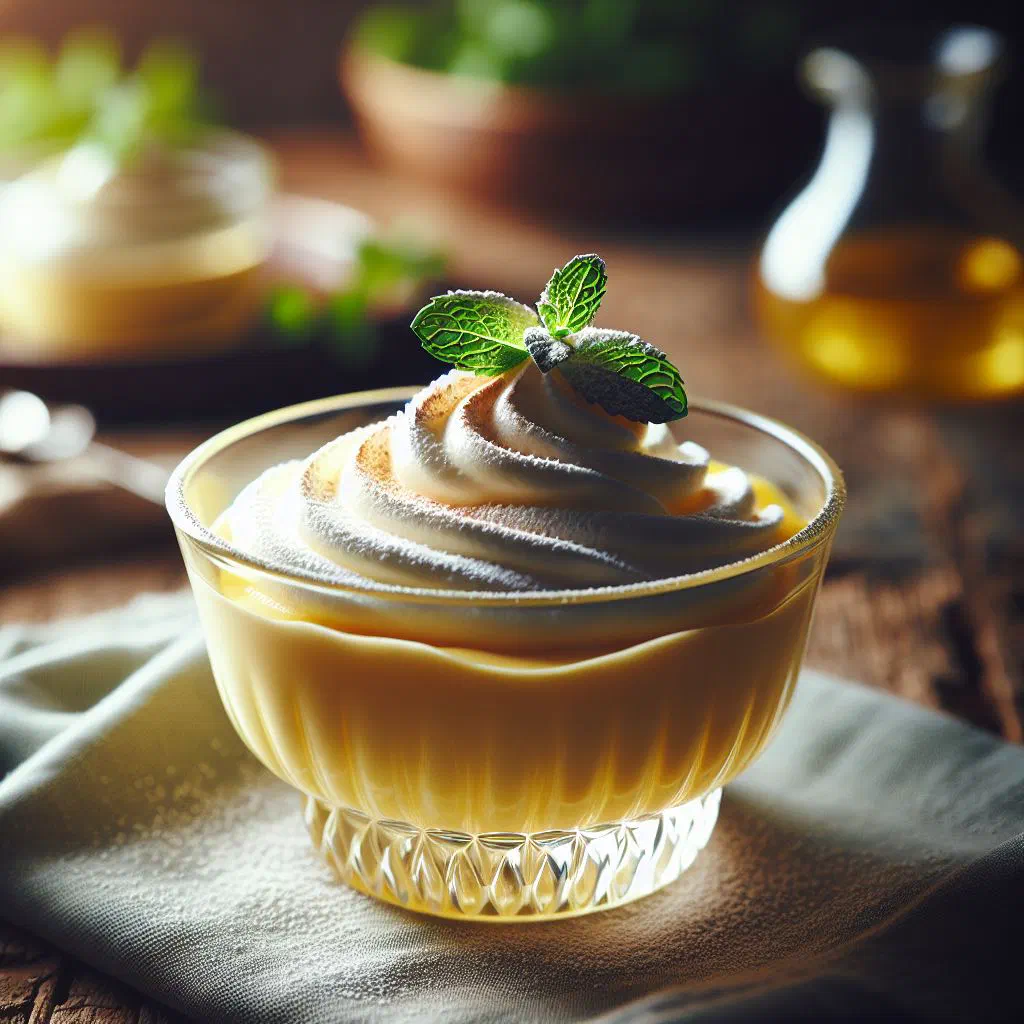
Presentation can lift the whole sabayon experience considerably. Serve it in pretty dessert bowls or glasses that show off the colours and textures of the ingredients. A decorative garnish of fresh fruit or herbs such as mint adds a welcome splash of colour to the dish. Experiment with different arrangements to create a truly celebratory experience that will impress your guests.
A bit of history
The story of sabayon reaches back to the 17th century, when it became known as a frothy little custard in Italian and French kitchens. It was originally made in the Campania region of Italy and has since become part of the classic French dessert repertoire. Its name derives from the Italian word zabaione, meaning “froth”. Over the years cooks have varied the base ingredients, but that signature foamy character has always remained the heart of the dish, a hallmark of fine French cuisine.
More recipe ideas
Summary: Sabayon
In short, sabayon is a versatile and elegant dessert that offers a perfect balance of flavour and texture. Its simple preparation and the ease with which it can be adapted make it an ideal choice for any dinner. This French dessert slots beautifully into any menu. Let the tradition and elegance of sabayon win you over, and bring a touch of French flair to your table.