National Dish France: Sablés (Recipe)

In this article
Discover Sablés, the delicate, buttery biscuits at the heart of French pâtisserie. With their tender, crumbly bite and gentle sweetness, these little classics are the perfect companion to a cup of tea or coffee. Tradition and flavour come together in every melt-in-the-mouth morsel, bringing a touch of the French bakery straight to your own kitchen.
About Sablés
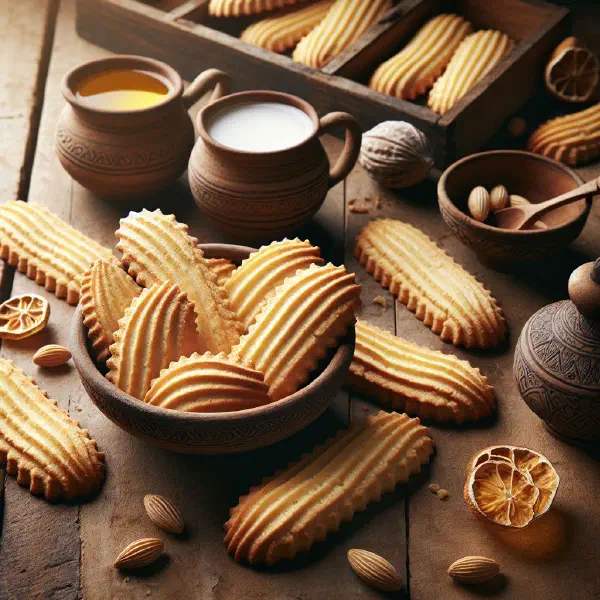
Sablés are a traditional French biscuit prized for their tender, crumbly texture and unmistakable flavour. Originally from Normandy, they are now loved across France and far beyond. These dainty little biscuits make a wonderful anytime snack, or a sweet accompaniment to a cup of tea or coffee. Every bite of this buttery treat brings a piece of French baking heritage right into your home. Proof that simple ingredients, handled with care, can produce something truly special within the wider world of France cuisine.
Ingredients (serves 1–2)
- 100 g butter (at room temperature)
- 50 g icing sugar
- 1 egg yolk
- 150 g plain flour
- 1 pinch of salt
- Optional: vanilla or lemon zest for extra flavour
Shopping for the ingredients
When shopping for the ingredients for your Sablés, it pays to choose good-quality products. The choice of butter is especially important, as it has a big influence on the flavour of the finished biscuits. It is also worth using fresh eggs to achieve the best possible texture and freshness. The icing sugar should be as fine as possible so that it blends smoothly with the other ingredients and gives you a silky, even dough.
Preparing the dish
To make Sablés, start with a clean work surface and all your ingredients within easy reach. It is a good idea to take the butter out of the fridge in advance so it is at room temperature and easy to work with. Measure out everything you need and, if you like, line a baking tray ready for the biscuits. A quick tidy-up of your workspace will help you keep track of each step and make the whole process run more smoothly.
Step-by-step instructions
- Beat the butter with the icing sugar in a bowl until light and creamy.
- Add the egg yolk and mix everything together well.
- Add the flour and the pinch of salt, and bring it together quickly into a dough.
- Wrap the dough in cling film and chill for at least 30 minutes.
- Preheat the oven to 180 °C.
- Roll out the dough and cut into your chosen shapes.
- Place the biscuits on a tray lined with baking paper and bake for 12–15 minutes, until lightly golden.
- Remove the Sablés from the oven and leave to cool on a wire rack.
Gluten-free / lactose-free version
For a gluten-free version of these Sablés, you can use one of the gluten-free flours widely available in supermarkets. If you are sensitive to lactose, make sure the butter is lactose-free too. Alternatively, coconut oil or margarine will adapt the recipe nicely. These swaps may alter the texture and flavour very slightly, but they ensure that everyone can enjoy this little treat. The same considerate approach makes a Riz au Lait just as welcoming to every guest.
Tips for vegans and vegetarians
Vegan guests can enjoy these Sablés too. Simply replace the egg yolk with a plant-based alternative such as apple purée or a flax-seed substitute. Use vegan butter or margarine to achieve the same creamy effect. Take care that every ingredient you use is free from animal products. With these adjustments, you can serve a vegan version of these popular biscuits that tastes every bit as good as the original.
More tips and tricks
A handy way to vary the flavour of your Sablés is to add different spices or aromas, such as cinnamon, nutmeg or grated chocolate. Experimenting with different types of sugar can also bring interesting new tastes. Stored properly in a biscuit tin, the Sablés will stay fresh and flavourful.
Adapting the recipe to your taste
Depending on your own preferences, you can shape the Sablés differently or add fillings. After baking, for example, you might sandwich two biscuits together with jam or chocolate spread for a delicious twist. You could also dip the biscuits in chocolate or scatter them with chopped nuts for extra crunch. These options make it easy to tailor the recipe to your taste and try something new each time, much like the playful variations you find in Macarons.
Ingredient substitutions
If you do not have butter to hand, margarine makes an easy swap that still gives a delicious result. If you would rather not use eggs, chia seeds or unsweetened apple purée work brilliantly as alternatives. For a lighter approach, you can reduce the amount of sugar, or use honey or agave syrup instead. Be creative and experiment with different ingredients to craft your own unique Sablés, the same spirit of adaptation that lifts a simple Pain d’Épices.
Drink pairing ideas
Sablés pair beautifully with a wide range of drinks. A classic black coffee or a mild tea makes the perfect companion, balancing the gentle sweetness of the biscuits wonderfully. For a special moment, you might serve a fine port or a sweet dessert wine, which lends the experience a refined note. Try a few combinations to find your favourite pairing and give your guests a memorable little tasting.
Serving and presentation ideas
An attractive presentation can make your Sablés even more enjoyable. Use pretty plates or little boxes to arrange the biscuits stylishly, perhaps decorated with fresh herbs or edible flowers. Wrapped in cellophane bags or smart boxes, the Sablés also make a perfect gift. A creative presentation draws the eye and turns even a simple biscuit into something genuinely special.
A bit of history
The history of Sablés reaches back to the 17th century, when they became a tradition in the Normandy region. Their original form is clearly inspired by simple country cooking, where they served as a tasty snack for working people. Today, Sablés are a firm part of French coffee culture and are enjoyed internationally. Thanks to their easy preparation and the sheer variety of versions, they are a much-loved recipe for any baking enthusiast, whatever their level of skill in the kitchen.
More recipe ideas
Summary: Sablés
Sablés are an exquisite temptation from the French baking tradition, charming everyone with their tender texture and countless variations. With just a few ingredients and a simple method, you can make this treat yourself and adapt it however you like. Whether gluten-free, vegan or classic, the Sablés offer something for every taste. Take the chance to try this recipe and spoil your family and friends with these delicious little biscuits.