National Dish France: Tian de Légumes (Recipe)
In this article
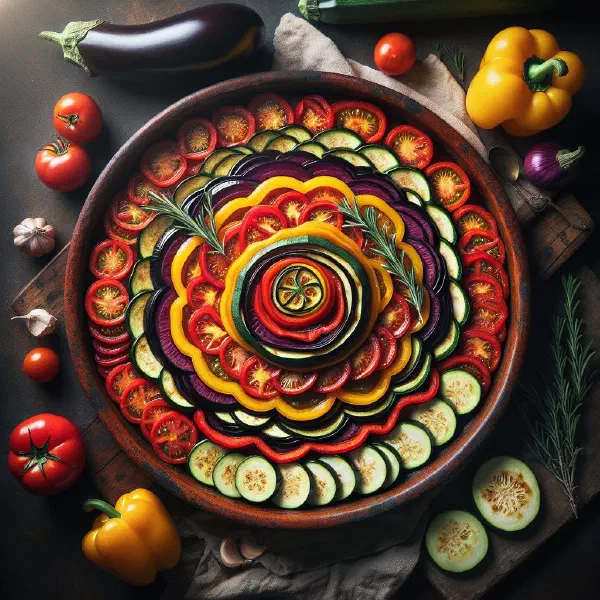
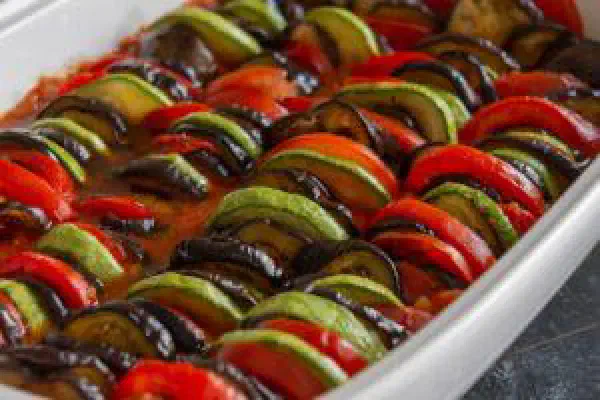
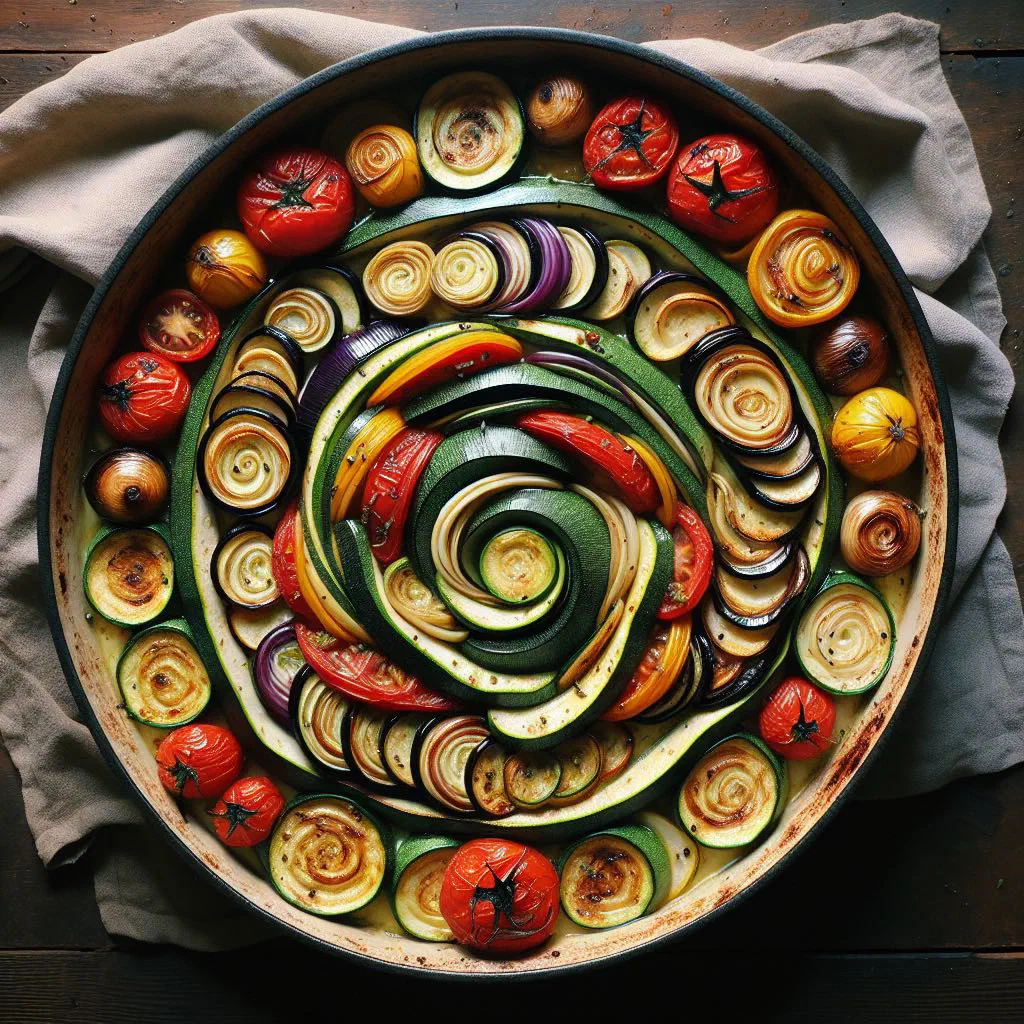
Say hello to Tian de Légumes, a sun-soaked vegetable bake from the heart of Provence. Thin ribbons of courgette, aubergine and tomato are fanned out in a single dish, drizzled with olive oil and scented with fragrant herbes de Provence, then slow-baked until tender and golden. It is as much a feast for the eyes as for the palate, a celebration of seasonal produce that works beautifully as a light main or a generous side.
About Tian de Légumes
Tian de Légumes is a charming, playful vegetable dish that hails from the sunny Provence region of southern France. It brings together the freshest ingredients of the season, arranged into an appetising, colourful display. With its combination of courgette, aubergine, tomatoes and aromatic herbes de Provence, this dish is not only a pleasure to taste but a genuine feast for the eyes. Ideal as a side or a light main course, it brings a touch of Provençal flair to any table.
Ingredients (serves 1–2)
- 1 large courgette
- 1 large aubergine
- 2 large tomatoes
- 2–3 garlic cloves
- 2–3 tablespoons olive oil
- Herbes de Provence, to taste
- Salt and pepper, to taste
Shopping for the ingredients
When shopping for the ingredients for Tian de Légumes, it pays to focus on freshness and quality, especially with the vegetables. A local market is the ideal place to look, as you can find seasonal and regional produce there. The aubergines should be firm and glossy, while the courgettes ought to have an even, vivid colour. Tomatoes are best when fully ripe and fragrant. That is what gives your dish its intense flavour.
Preparing the dish
A successful Tian de Légumes depends on careful groundwork. Begin by washing the vegetables and slicing them into even rounds, which gives you that attractive, fanned-out finish. Peel the garlic cloves and lightly crush them to release their full aroma. Don’t forget to grease your baking dish lightly with olive oil to stop anything sticking. A little organisation up front makes assembling the dish quick and relaxed.
Step-by-step instructions
- Preheat the oven to 180°C.
- Lightly grease a baking dish with olive oil.
- Layer the courgette, aubergine and tomatoes evenly into the dish.
- Tuck the crushed garlic cloves in between the layers of vegetables.
- Drizzle the remaining olive oil over the top.
- Season the dish with salt, pepper and herbes de Provence.
- Cover the dish with foil and bake for 40 minutes.
- Remove the foil and bake for a further 10–15 minutes, until the vegetables are tender and lightly browned.
Gluten-free / lactose-free version
Tian de Légumes is naturally gluten-free and lactose-free, which makes it an excellent choice for anyone with intolerances. It contains no hidden gluten-bearing ingredients and no dairy at all. Built on fresh vegetables and herbs, the dish stays light and easy to digest. These qualities make it a perfect option for anyone keeping a close eye on their diet, much like a wholesome Salade de Lentilles.
Tips for vegans and vegetarians
Tian de Légumes suits not only vegetarians but vegans beautifully too. It delivers a wealth of vitamins and minerals from the variety of vegetables used. To deepen the flavour, vegans can scatter over a little plant-based cheese or some nutritional yeast for extra savoury richness. Just take care to check that every ingredient you use is genuinely vegan, particularly any pre-made seasonings.
More tips and tricks
To make your Tian de Légumes even tastier, experiment with different seasonings and herbs. Thyme and basil are wonderful additions here. A handful of olives or a few capers can also bring an intriguing new note to the dish. Remember that recipes built on fresh ingredients always taste better and carry far more aroma, the same principle that lifts a rustic Ratatouille-style vegetable medley.
Adapting the recipe to your taste
The beauty of Tian de Légumes lies in its versatility. It is a lovely example of how to use seasonal produce creatively. If you prefer particular vegetables, or fancy trying something new, the recipe adapts with ease. Add peppers, onions or even carrots, for instance, to stamp it with your own personal touch. Slow-baked vegetable dishes like this one reward a little experimentation.
Ingredient substitutions
If there is an ingredient in your Tian de Légumes that you don’t care for or simply don’t have to hand, there are usually plenty of alternatives. In place of aubergine, for example, you can use fennel, which brings its own pleasant texture and flavour. For the herbes de Provence, fresh or dried basil and oregano work just as well. Your creativity in the kitchen knows no bounds.
Drink pairing ideas
A few drinks pair especially well with Tian de Légumes. A light, lively rosé wine from Provence harmonises wonderfully with the dish’s sunny flavours. As a non-alcoholic alternative, sparkling water with a squeeze of lemon, or a refreshing homemade iced tea, provides just the right lift. Whichever you choose, the drink should support and complement the delicious flavours on the plate.
Serving and presentation ideas
Presentation plays a big part in enjoying Tian de Légumes. Serve it straight from the baking dish on a handsome wooden board, or arrange it neatly on white crockery to make the colours of the vegetables sing. A scattering of fresh herbs or a final drizzle of olive oil is another lovely way to finish the dish. After all, we eat with our eyes first.
A bit of history
Tian de Légumes has its roots in Provençal cuisine, famous for its use of fresh, regional ingredients. The name tian refers to the dish itself and to the special earthenware vessel in which it is traditionally baked. Historically, farmers in the region celebrated the harvest by cooking up the season’s produce and serving it in the form of this pretty bake. It is a fine example of the abundance of Provence and the art of good living in this unique corner of French cuisine.
More recipe ideas
Summary: Tian de Légumes
All in all, Tian de Légumes is a tasty, versatile dish that embodies the very essence of Provence. It offers more than a colourful experience but countless opportunities for tweaking and varying. It captures the joy of fresh, seasonal ingredients and celebrates the cooking of Provence in the most delicious way. Let it inspire you and savour the flavours of one of the most charming dishes in French cuisine.