National Dish France: Tourte de Blettes (Recipe)
In this article
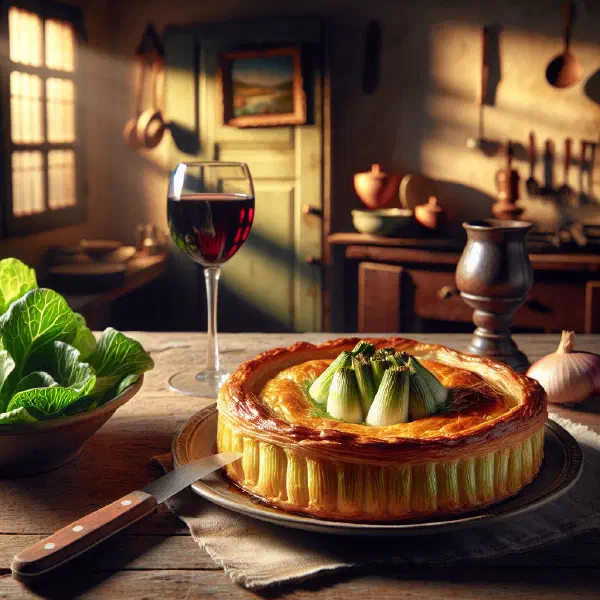
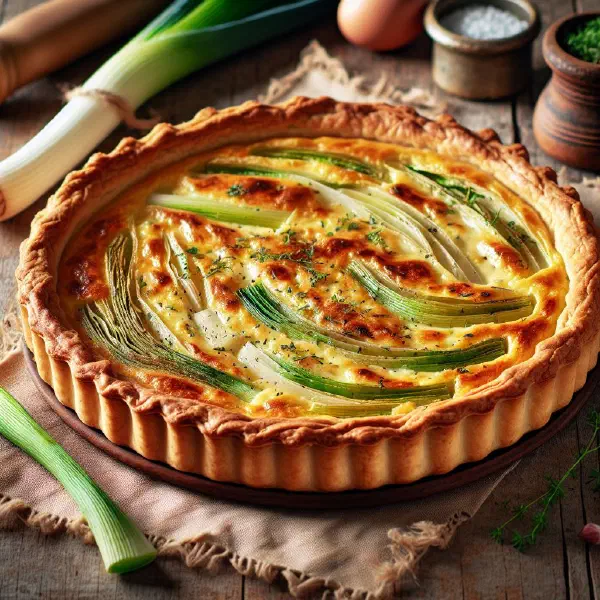
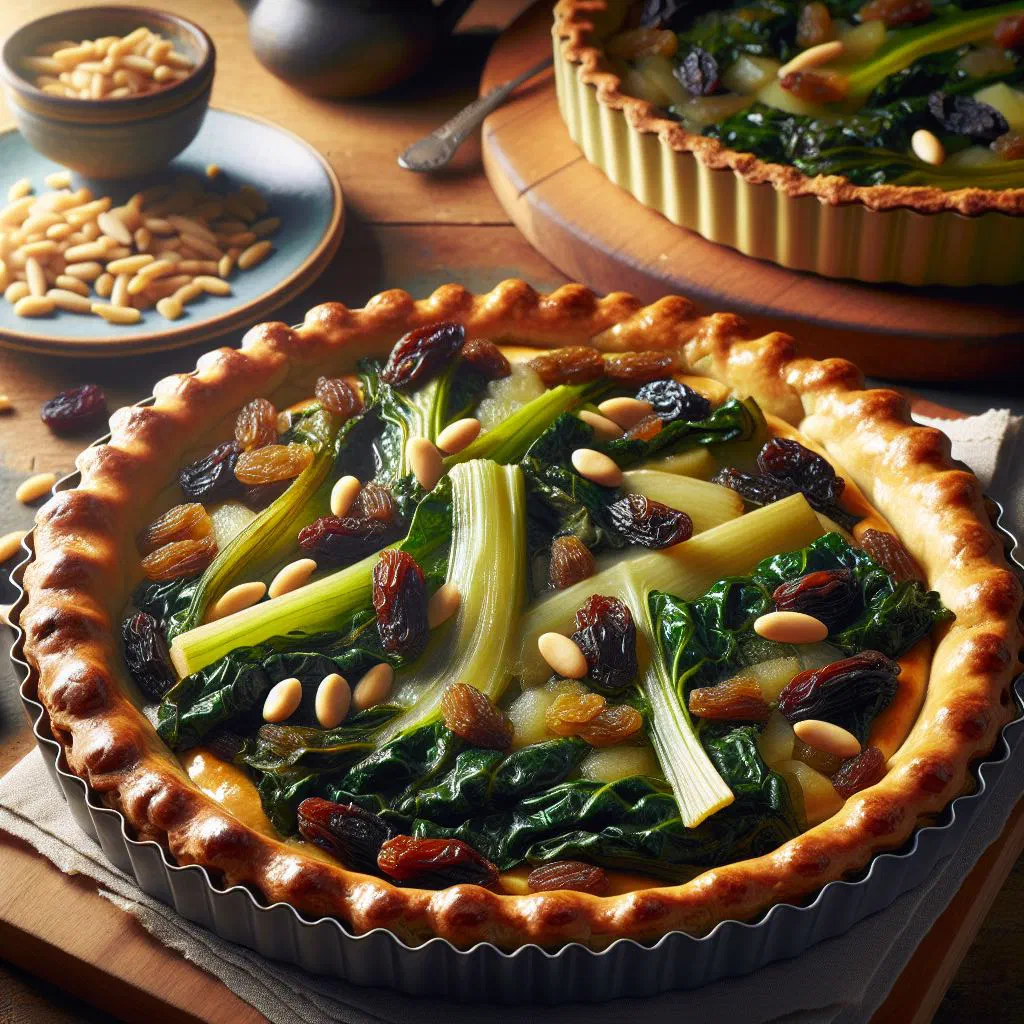
Say hello to the Tourte de Blettes, a rustic savoury pie that carries the sun-soaked spirit of southern France in every slice. Tender chard is folded into a creamy filling of ricotta and eggs, then sealed inside a crisp, golden pastry crust. Equally at home as a relaxed main course or a satisfying snack, this Provençal classic is as pleasing to the eye as it is to the palate. Bring a taste of the Mediterranean coast straight to your own kitchen.
About Tourte de Blettes
The Tourte de Blettes is a firm fixture of the culinary tradition of Provence. This savoury pie brings together the bright, earthy flavour of fresh chard and a creamy filling of ricotta and eggs. Thanks to its crisp pastry, every mouthful is a genuine pleasure. Served as a main course or a snack, it appeals to both the palate and the eye, making it a wonderful way to discover the relaxed, generous heart of French cuisine.
Ingredients (serves 1–2)
- 250 g fresh chard
- 200 g ricotta
- 2 eggs
- 150 g flour
- 80 g butter
- 1 pinch of salt
- Pepper to taste
- Nutmeg, freshly grated
- Olive oil, for greasing
Shopping for the ingredients
When shopping for the ingredients for Tourte de Blettes, it is important to choose fresh produce. Look for crisp chard with vivid green leaves and no brown patches. For the ricotta, an organic version is a good choice as it intensifies the natural flavour. The quality of the butter and flour matters too, as both play a central role in the overall taste of the dish.
Preparing the dish
Before you begin making the Tourte de Blettes, it pays to have everything to hand. Wash the chard thoroughly and slice it into fine ribbons. Bring the eggs and the ricotta up to room temperature so they blend into a smooth, even mixture.
Step-by-step instructions
- Steam the chard in a pan with a little water over medium heat until soft. Then leave it to cool and squeeze out the excess liquid.
- In a bowl, combine the ricotta, eggs, pepper and freshly grated nutmeg. Add the cooled chard and mix well.
- Preheat the oven to 180°C and grease a tart tin with olive oil.
- Roll out the pastry and lay it in the tin, forming a raised edge.
- Spread the filling evenly over the pastry and cover the top with a second layer of pastry, pressing it down gently.
- Brush the surface with egg yolk for a golden crust, then bake the tourte for about 30–40 minutes.
- Once baked, let it cool a little, then turn it out of the tin and serve.
Gluten-free / lactose-free version
To make the Tourte de Blettes gluten-free, you can swap the wheat flour for a blend of pure cornflour and rice flour. These alternatives give a similar pastry flavour. For a lactose-free version, use lactose-free ricotta. Many supermarkets now stock a wide range of lactose-free products that work beautifully in this recipe.
Tips for vegans and vegetarians
Vegans can replace the eggs in the filling with a plant-based egg substitute such as flaxseed or chia seeds to keep everything bound together. Instead of ricotta, a base of blended tofu and nuts gives a creamy texture with a similar, satisfying effect. Vegetarians can enjoy the classic version while prioritising fresh, seasonal ingredients, much like the produce-led approach behind Petits Farcis Niçois.
More tips and tricks
A handy trick for boosting the flavour of the Tourte de Blettes is to add fried onions or garlic to the filling. These ingredients lend the dish an extra savoury note. You can also scatter sesame seeds or caraway over the surface before baking for added texture and taste. Small touches like these can make a big difference to the finished result.
Adapting the recipe to your taste
Depending on your personal preference, you can flavour the filling of the Tourte de Blettes with herbs such as basil or oregano. Other vegetables like spinach or feta can also make a delicious addition. There is plenty of creative freedom to shape the recipe to your own taste, so every tourte becomes an one-of-a-kind experience. If you enjoy this style of vegetable bake, you might also like a Gratin de Chou-Fleur.
Ingredient substitutions
If you cannot get hold of fresh chard, frozen chard works too. Just drain it well beforehand. For the filling, other cheeses such as quark or mascarpone can stand in for ricotta, offering a similar creaminess. Here too there is no limit to the variations, and you can play with textures and flavours. Just remember to adjust the seasoning to match.
Drink pairing ideas
A glass of dry white wine pairs wonderfully with a delicious Tourte de Blettes, especially a regional Prosecco or a Chardonnay. If you prefer a soft drink, a refreshing lemonade or mineral water with a splash of lemon makes the perfect choice. Herbal teas can also make an interesting pairing option.
Serving and presentation ideas
Presentation can be key to giving guests a stylish experience with the Tourte de Blettes. Serve the dish on a decorative plate and garnish it with fresh herbs such as parsley or thyme. A few edible flowers can add a splash of colour, too. When you cut the tourte into portions, arrange them on an attractive wooden board for a touch of rustic charm.
A bit of history
The Tourte de Blettes has its origins in Provence, where people traditionally cooked with the seasonal produce of their region. Historically the dish was made as a filling meal for workers and soon found its way into French gourmet cooking. It reflects a love of freshness and of simple yet flavourful preparation. Today the tourte is a symbol of France’s pleasure-loving food culture and appears on many a menu, in the same regional spirit as a hearty Daube de Sanglier.
More recipe ideas
Summary: Tourte de Blettes
In short, the Tourte de Blettes is a treat for the palate and a journey into French culture. This delicious savoury pie unites wholesome ingredients in perfect harmony. Its versatility makes it a popular main course and a hearty snack alike. If you would like to discover the flavours of Provence, this recipe is a wonderful way to bring that culinary tradition into your own kitchen.