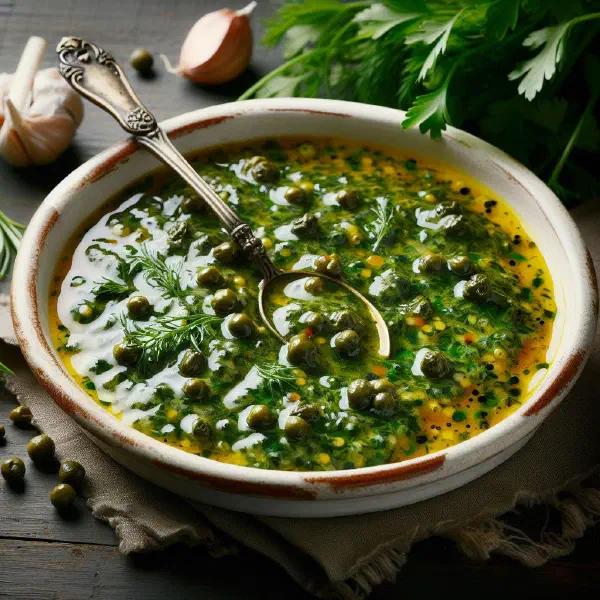
National Dish France: Velouté (Recipe)
In this article
Meet Velouté, one of the cornerstones of classic French cuisine. This silky, pale sauce is built from little more than a good stock and a gentle roux, yet it forms the elegant foundation for countless refined dishes. Smooth, glossy and endlessly adaptable, it can dress fish, poultry or vegetables with effortless polish. Bring a touch of French culinary finesse straight to your own kitchen.
About Velouté
The French Velouté is a classic sauce that is the base for many of the finest dishes. It belongs to the celebrated mother sauces of French cuisine and is prized for its creamy, perfectly smooth consistency. Velouté is traditionally made from a light stock, usually chicken or vegetable, thickened with a pale roux of butter and flour. Its versatility is what makes it so valuable in the kitchen, lending itself beautifully to fish, poultry and vegetables alike.
Ingredients (serves 1–2)
- 200 ml chicken or vegetable stock
- 20 g butter
- 20 g plain flour
- 50 ml cream (optional, for a richer version)
- Salt and pepper, to taste
Shopping for the ingredients
Before you begin making your velouté, it is worth sourcing the right ingredients. You can either prepare the stock yourself or buy it ready-made. Do make sure the stock is fresh and of good quality, as it is the very heart of this sauce. Butter and flour are everyday staples found in most kitchens, while the cream is optional and adds extra richness and depth of flavour.
Preparing the dish
To get started, set out all of your ingredients first. That means bringing the stock to room temperature and melting the butter gently in a small pan. In a bowl, whisk the flour with a little water to keep it lump-free. This bit of groundwork is key to a smooth, silky sauce with no lumps.
Step-by-step instructions
- Melt the butter in a pan over medium heat.
- Add the flour and cook gently for about 2 minutes, stirring constantly, to form a pale roux.
- Gradually whisk in the stock, a little at a time, until you have a smooth, homogeneous mixture.
- Bring the sauce to the boil, then let it simmer for 10 minutes until it reaches the consistency you want.
- If you like, stir in the cream and season to taste with salt and pepper.
Gluten-free / lactose-free version
To make velouté gluten-free, simply use a gluten-free flour such as rice or corn flour. Take care to choose a gluten-free stock as well, so the dish is safe for anyone with coeliac disease. For a lactose-free version, swap the butter for a lactose-free margarine and replace the cream with a plant-based alternative such as coconut or oat cream. The sauce keeps its lovely creamy texture either way.
Tips for vegans and vegetarians
Vegans can enjoy velouté by replacing the butter with a plant-based fat and the cream with an unsweetened plant cream such as soya or cashew. Use vegetable stock as the base to keep the dish fully plant-based. These small swaps make the sauce not only vegan but light and easy to digest. Just be sure that every ingredient you use, the stock and the cream in particular, is free from animal products.
More tips and tricks
To deepen the flavour of your velouté, add aromatic herbs such as thyme or bay while you cook out the roux. Let them infuse for several minutes during simmering to release their full character. A fine pinch of nutmeg can also bring a subtle, especially delicious note. Take care not to over-salt the sauce, as the stock may already be seasoned.
Adapting the recipe to your taste
The velouté recipe is easy to tailor to your own preferences. If you like a brighter sauce, try adding a squeeze of lemon juice. For a smoky note, a little smoked paprika works wonders. You can also create your own version by stirring in extra vegetable stock or a spoonful of vegetable purée for added body and goodness. There are no limits to your imagination here.
Ingredient substitutions
If you have no chicken stock to hand, a clear vegetable stock works just as well as a base, the same gentle foundation you’ll find in a Velouté de Légumes. You can also use crème fraîche in place of cream for a slightly tangy edge. If you prefer a thicker sauce, increase the flour a little or extend the cooking time. This gives a richer consistency and a more intense flavour.
Drink pairing ideas
A lightly chilled white wine, such as a Sauvignon Blanc, makes a fine partner for an exquisite velouté, echoing the delicate flavours of the sauce. Alternatively, a crisp non-alcoholic apple cider balances the creamy elements nicely. Even a refreshing sparkling water with a few slices of lemon can be a wonderful accompaniment. Remember to serve your drinks well chilled to make the most of the experience.
Serving and presentation ideas
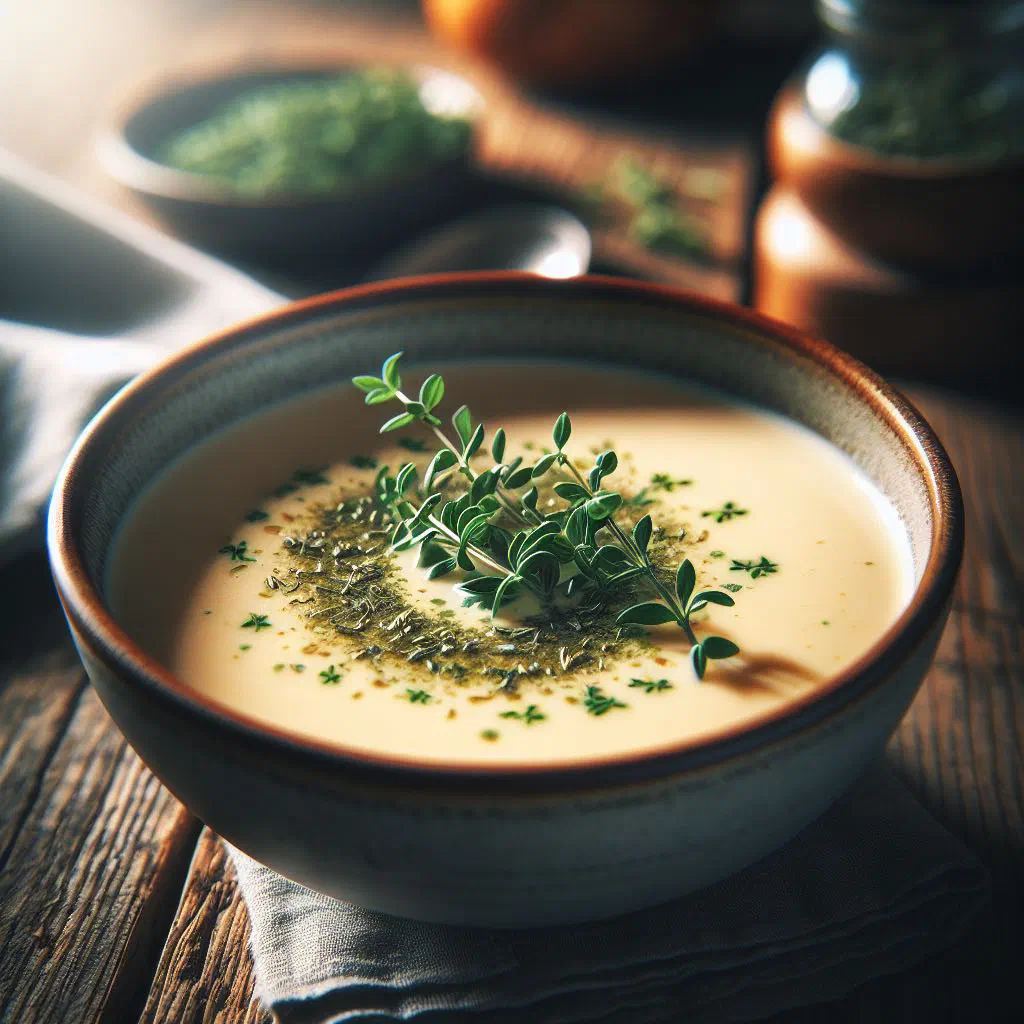
A thoughtful presentation lifts the velouté experience considerably. Serve the sauce in clear, shallow bowls so its creamy texture really shines. Garnish with fresh herbs such as finely chopped chives or parsley for a touch of colour. A swirl of cream and a few elegant drizzles of good olive oil ensure a striking finish on the plate, a flourish that feels right at home in French cuisine.
A bit of history
The origins of the French velouté reach back to the 18th century and are closely tied to the development of classic French cookery. The famous chef Marie-Antoine Carême is often credited as one of the first to establish velouté as a foundational sauce. It has since become an indispensable building block of fine gastronomy, much like its sibling Sauce Hollandaise. Variations now appear in kitchens around the world, and its legacy lives on in countless classic recipes.
More recipe ideas
Summary: Velouté
The French velouté is a versatile, creamy sauce that is wonderfully simple to make. With just a few ingredients and straightforward steps, you can create a delicious result suited to special occasions and everyday cooking alike. The freedom to adapt the recipe to your own taste is what makes it so appealing.