National Dish Gabon: Akassa (Recipe)
In this article
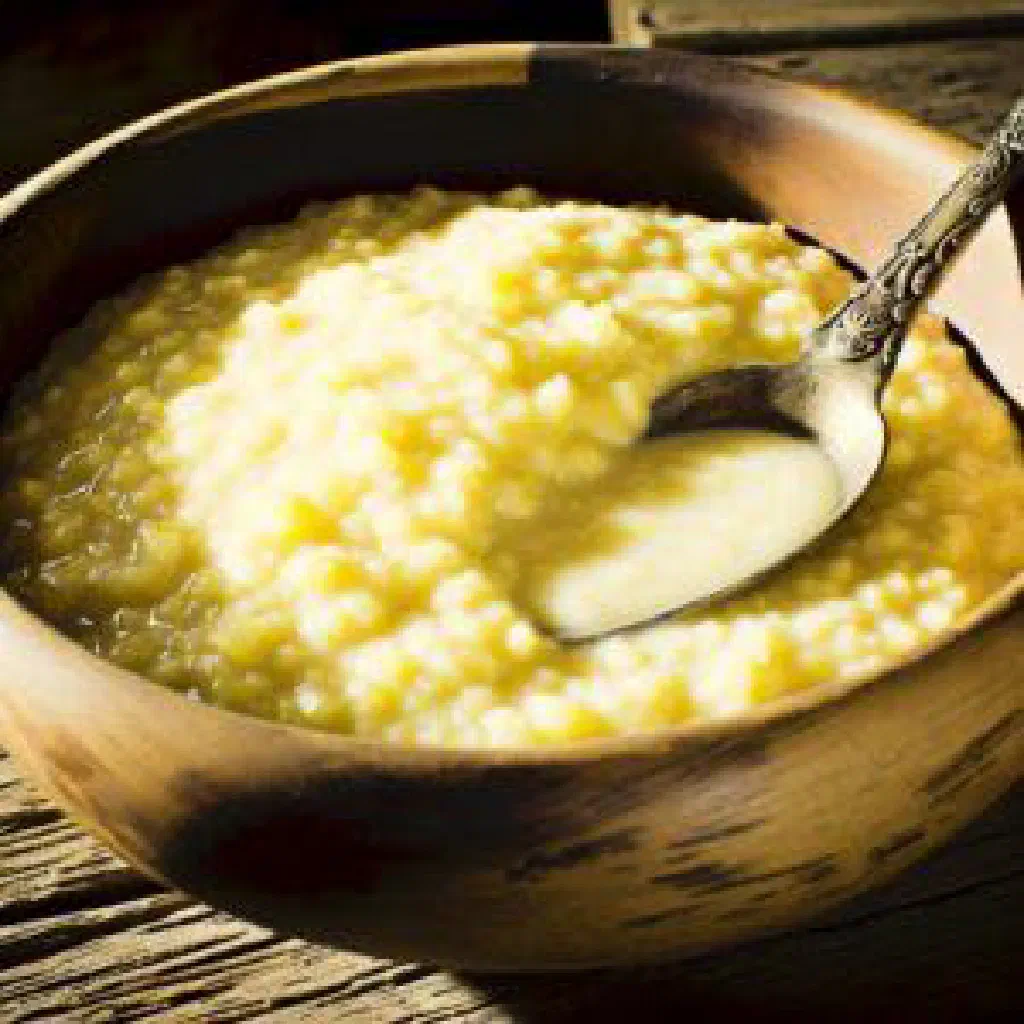
Discover Akassa, the gently soured staple of Gabon. Made from nothing more than fermented maize flour and water, it turns into a smooth, creamy porridge with a bright tang that lifts everything served alongside it. Pair it with grilled fish, a rich vegetable sauce or a spoonful of stew and you have a plate that is humble, filling and quietly addictive. Simple food at its very best.
About Akassa
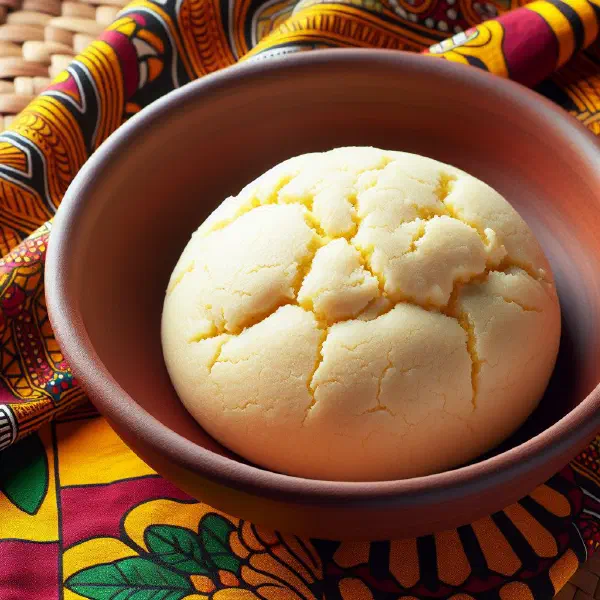
Akassa is a traditional dish from Gabon made from fermented maize flour and water. That modest combination produces a creamy texture and a subtly sour note that is both pleasant and nourishing. Akassa is usually treated as a base dish and then served with a range of accompaniments such as fish, vegetables or meat. Preparing it is not merely a culinary tradition but also a shared ritual that binds Gabonese households and communities together.
Ingredients (serves 1–2)
- 250 g maize flour
- 500 ml water
- A pinch of salt
- Optional: spices of your choice (e.g. pepper, paprika)
Shopping for the ingredients
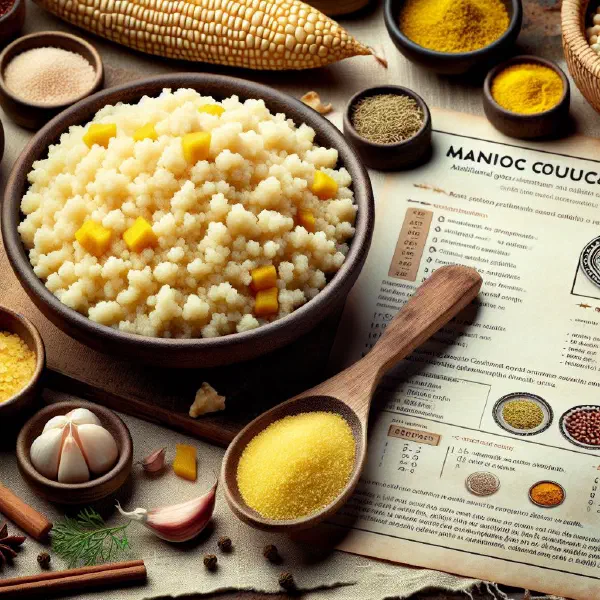
For akassa you should use fresh maize flour, which is stocked by most African grocery shops. Look for a good-quality flour, as it does most of the work in this recipe and largely determines the finished flavour. The water should be clean and pure, since it has a strong influence on the fermentation and therefore on the taste of the dish. If you would like to add particular spices, check whether your local shops carry them so you can give the dish a personal signature.
Preparing the dish
Before you start cooking akassa, it is important to prepare the ingredients properly. Measure the maize flour and water carefully so the ratio is right from the outset. The flour also needs to be mixed with water several hours in advance and left to ferment, which is what allows the dish to develop its characteristic texture and flavour. Check on the mixture from time to time during fermentation so you can judge the ideal moment to begin cooking.
Step-by-step instructions
- Combine the maize flour and water in a large bowl and stir well until the mixture is completely smooth.
- Cover the bowl and leave it to ferment in a warm spot, ideally for 12 to 24 hours.
- After fermentation, tip the mixture into a pan and cook over a medium heat, stirring constantly.
- After roughly 10–15 minutes, once the consistency is thick and creamy, take it off the heat and leave to cool.
- Season with salt and any optional spices, then serve with the accompaniments of your choice.
Gluten-free / lactose-free version
Akassa is naturally gluten-free, as it is made exclusively from maize flour. It also suits anyone with a lactose intolerance, provided no dairy-based sides are added. Do check that the other ingredients you plan to serve alongside it are gluten-free and lactose-free as well.
Tips for vegans and vegetarians
Akassa is a thoroughly vegan-friendly dish and works beautifully for vegetarians too. When choosing what to serve with it, simply stick to plant-based options such as fried vegetables or a fresh salad. Pulses make an excellent addition if you want extra protein, and they sit very comfortably against the mild maize base. Combining akassa with different vegetables and sauces, a bowl of Saka-Saka, for instance, adds not just flavour but real nutritional value.
More tips and tricks
To get the most out of your akassa, pay attention to the water temperature during fermentation. Conditions that are too warm or too cold will disrupt the process and leave you with a flat result. Experiment with different spices until you land on a version that matches your own palate. Adding fresh herbs such as coriander brings another dimension of flavour, and cooking with fresh ingredients is as good for your health as it is for the taste.
Adapting the recipe to your taste
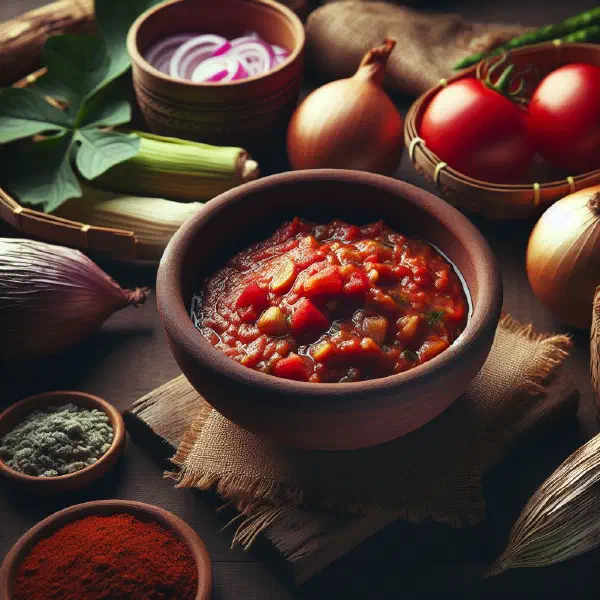
Akassa is a versatile dish that adapts easily to individual preferences. You can vary the ratio of water to maize flour to reach exactly the consistency you like, from a loose porridge to a firm, sliceable block. Experimenting with different accompaniments or sauces is another way to keep things interesting, a spoonful of Pili Pili Sauce transforms the whole plate.
Ingredient substitutions
If you have no maize flour to hand, other gluten-free flours such as rice or millet flour will do the job. They shift the flavour slightly but still deliver a tasty result. There are no limits on the accompaniments either: fresh fish, as in a plate of Poisson Braisé, or a vegetable curry both pair perfectly with this dish. Try different combinations until you find your own favourite.
Drink pairing ideas
Akassa goes well with a wide range of drinks. Traditional African drinks such as palm wine or beer stand up nicely to the sour edge of the dish. For a non-alcoholic option, a fresh fruit juice, pineapple or mango, for example, rounds the flavours out, and a glass of Jus de Gingembre adds a warming kick. Plain water is a good choice too, as it lets the flavours of the accompaniments come through undimmed.
Serving and presentation ideas
Presentation can raise the whole akassa experience. Serve the dish in a traditional bowl and garnish it with fresh herbs or edible flowers. Arranging the accompaniments in bright, contrasting colours makes the plate far more appealing to look at. A thoughtful arrangement genuinely improves the meal and never fails to impress guests.
A bit of history
Akassa has deep roots in Gabonese culture and has been valued there for generations. It is a dish often prepared for celebrations and gatherings, one that brings the community together around a single table. Historically, the way it is made reflects the traditional cooking methods and resourcefulness of the Gabonese people, and it remains a cornerstone of Gabonese cuisine. It is far more than a dish; it is part of an identity and a shared bond.
More recipe ideas
Summary: Akassa
Akassa is an essential dish of Gabonese cooking and an expression of the country’s culture and tradition. With its straightforward recipe and countless possible variations, it suits just about everyone, whether vegan, gluten-free or looking for a classic side. The preliminary fermentation is what gives the dish its unmistakable flavour and texture. If you get the chance, make a batch of akassa and discover the flavours of Africa for yourself.