National Dish Gabon: Maboké de Poisson (Recipe)
In this article
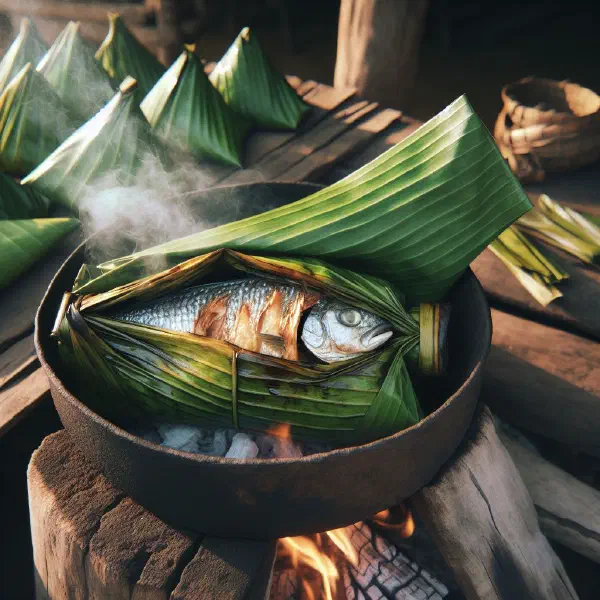
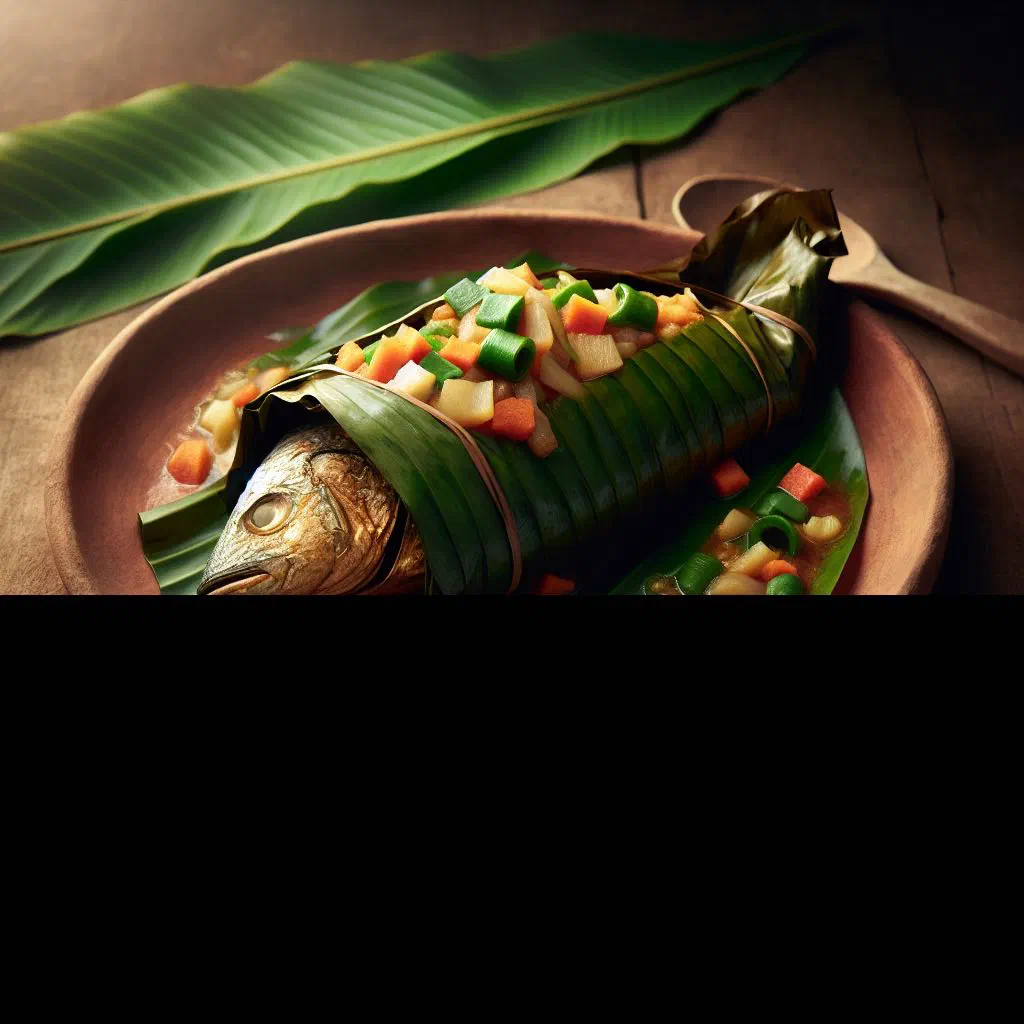
Meet Maboké de Poisson, the fragrant parcel of steamed fish that sits at the heart of Gabonese home cooking. Fresh fillets are marinated with garlic, lemon and paprika, wrapped in supple banana leaves and gently steamed until meltingly tender. The leaves do more than hold everything together. They perfume the fish with a soft, green aroma you simply cannot get from a pan. It is a dish that feels celebratory yet asks very little of the cook.
About Maboké de Poisson
Maboké de Poisson is a traditional fish dish from Gabon that wins people over with its unusual method and its reliance on very fresh ingredients. Steaming it in banana leaves gives the fish both a wonderful aroma and a delicate, silky texture. The combination of fish, tomatoes, onions and warm spices reflects the country’s rich culinary heritage, much like the closely related Poisson en Feuilles de Banane. This is a genuine experience for all the senses, bringing a touch of tropical Africa into your kitchen.
Ingredients (serves 1–2)
- 250g fresh fish (tilapia or snapper, for example)
- 2 banana leaves
- 1 large tomato, diced
- 1 small onion, finely chopped
- 2 garlic cloves, chopped
- 1 teaspoon paprika
- Salt and pepper to taste
- Juice of 1 lemon
- Fresh herbs (parsley or coriander)
Shopping for the ingredients
Fresh ingredients are essential for a good Maboké de Poisson. The fish should be as fresh and as high in quality as you can find, since it shapes the flavour of the finished dish more than anything else. Local markets and fishmongers are usually the best place to look, while the remaining ingredients are easy to pick up in any ordinary supermarket. Choose fresh herbs rather than dried ones. They lift the whole dish and give it depth. Banana leaves are widely sold frozen in African, Caribbean and Asian grocers.
Preparing the dish
A little careful groundwork makes all the difference before you start cooking. Begin by cleaning the fish thoroughly and cutting it into bite-sized pieces. Wash the tomatoes and onions and chop them into small dice. The banana leaves need preparing too: soak them briefly in hot water so they turn soft and pliable, which makes wrapping the parcels far easier and stops them from splitting.
Step-by-step instructions
- Marinate the washed and cut fish in a bowl with lemon juice, salt, pepper, paprika and garlic.
- Fold the diced tomatoes and onions through the marinated fish pieces.
- Lay a banana leaf on a sheet of aluminium foil and spoon a portion of the fish mixture onto it.
- Wrap the leaf carefully around the fish and secure it with kitchen string or a second leaf.
- Place the parcels in a steamer or a large pan of water and steam for 30–40 minutes.
Gluten-free / lactose-free version
Maboké de Poisson is naturally gluten-free and lactose-free, since none of the ingredients contain wheat or dairy. That makes it an excellent choice for anyone with a sensitive stomach or a food intolerance. Do check your spice blends and any side dishes, though, as these can sometimes hide gluten-containing additives. Sticking to fresh, unprocessed ingredients keeps the dish both wholesome and full of flavour.
Tips for vegans and vegetarians
There are plenty of alternatives for vegans and vegetarians who want to try this classic. Tofu or seitan can stand in for the fish, marinated in exactly the same spices to achieve a comparable depth of flavour. Vegetables such as courgette, aubergine or mushrooms also work beautifully and make the parcels colourful and nourishing, in much the same spirit as Riz aux Légumes. The method stays identical, so the spices and the banana leaves make the vegan version every bit as good.
More tips and tricks
A few small habits will improve your Maboké de Poisson noticeably. Letting the marinated mixture rest overnight in the fridge deepens the flavour considerably. Adjust the steaming time to the thickness of your fish pieces so they cook through perfectly without drying out. It is also worth experimenting with different spices to shape the aromas to your own taste and discover new combinations along the way.
Adapting the recipe to your taste
There are many ways to tailor this dish to personal preference. Depending on what is available, different types of fish or even shellfish can bring a new dimension of flavour, Soupe de Crevettes shows just how well prawns take to these seasonings. If you like heat, add chillies or a spoonful of hot pepper paste. The accompaniments can vary too: rice or steamed vegetables both make the meal more substantial and more interesting.
Ingredient substitutions
Several ingredients can be swapped without any loss of quality. Tinned tomatoes work perfectly well when fresh ones are out of season or hard to find. With the spices you can be creative and build your own blends. The protein is flexible as well: tender chicken makes a delicious non-fish version, and if banana leaves are unavailable, baking parchment inside foil will do the job.
Drink pairing ideas
Refreshing drinks suit Maboké de Poisson best, echoing rather than competing with its spicing. A cold, crisp beer or a fruity white wine goes splendidly with the seasoned fish. For alcohol-free options, serve well-chilled fruit juices such as mango or pineapple, or try a homemade Jus de Gingembre for a little warmth. A pot of mint tea is another lovely choice that adds a fragrant note to the meal.
Serving and presentation ideas
Presentation matters a great deal with a dish like this. Make the most of the vivid colours of the ingredients when you plate up. Arrange the banana-leaf parcels on a large platter and decorate them with fresh herbs or lemon slices, opening them at the table so everyone catches the burst of aroma. A nicely laid table rounds off the experience. Let the colours of Africa inspire you and bring a little of that magic to your dining room.
A bit of history
Maboké de Poisson has its roots in the traditional cooking of Gabon and is a symbol of the variety and richness of African food culture. Cooking in banana leaves is an ancient technique, common throughout the tropics wherever the leaves grow freely. The dish reflects the central importance of fresh, locally grown produce in Gabonese cuisine. Beyond flavour, the tradition of eating together from shared platters is just as much a part of the experience.
More recipe ideas
Summary: Maboké de Poisson
Maboké de Poisson is a distinctive and deeply satisfying dish from Gabon that unites the freshest ingredients with warm, aromatic spices. Steaming in banana leaves delivers an intense fragrance and a wonderfully tender texture that no other method quite matches. With so many possible variations and adaptations, it can be shaped precisely to your own taste. Discover the culinary traditions of Gabon and bring a piece of Africa into your kitchen by giving Maboké de Poisson a try.