National Dish Gabon: Poisson en Feuilles de Banane (Recipe)
In this article
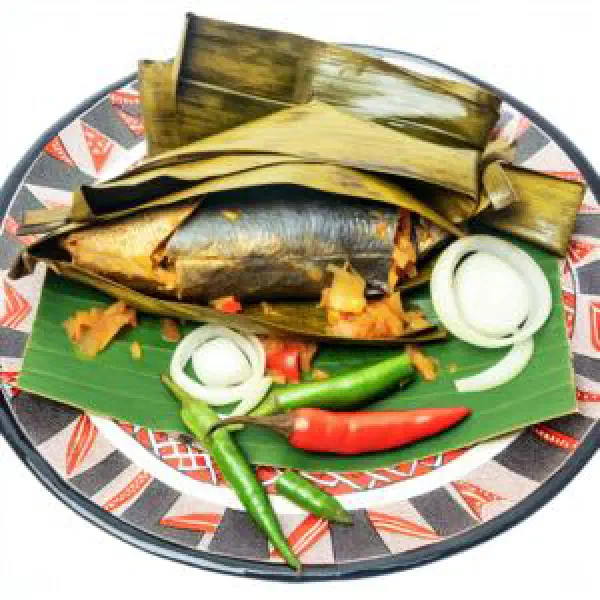
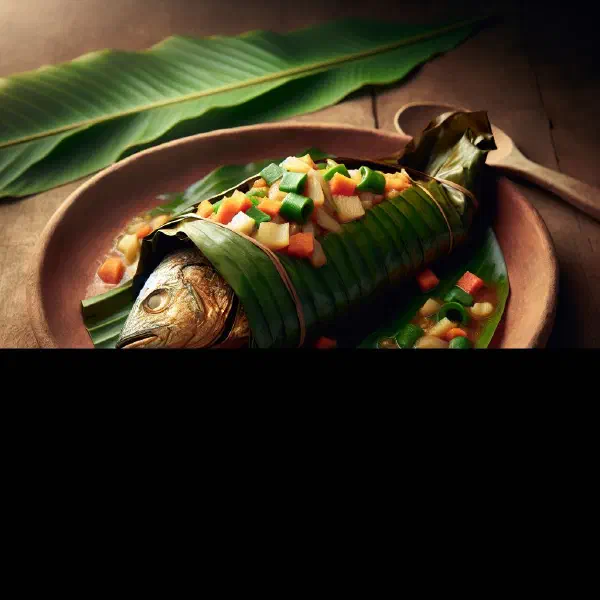
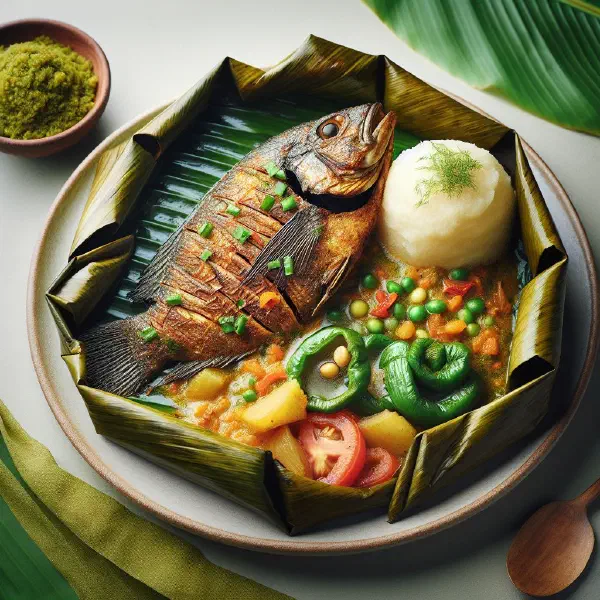
Meet Poisson en Feuilles de Banane, Gabon’s national dish and one of the most elegant ways to cook fish anywhere in Central Africa. Fresh fillets are marinated in lime, garlic and ginger, tucked into supple banana leaves with tomatoes and onions, then gently steamed until they fall apart at the touch of a fork. The leaves act as both wrapper and seasoning, sealing in every drop of juice and lending a faint, grassy sweetness you simply cannot fake with foil. It looks spectacular, tastes even better, and is far easier than it appears.
About Poisson en Feuilles de Banane
Poisson en Feuilles de Banane is Gabon’s best-loved fish dish and has earned a firm place in the wider cooking of West and Central Africa. It brings together fresh fish, warm aromatic spices and tender banana leaves in a combination that is as striking to look at as it is to eat. Steaming inside the leaf, nature’s own parcel, preserves both the delicate aromas and the nutrients that make the dish so nourishing. Every mouthful carries the culinary passion and the deep tradition of Gabon, and it sits comfortably alongside classics such as Poisson Braisé on any table.
Ingredients (serves 1–2)
- 250 g fresh fish (tilapia or sea bream, for example)
- 2 large banana leaves
- 1 onion, finely chopped
- 2 cloves of garlic, crushed
- 1 teaspoon grated ginger
- 1 lime, juice and zest
- 2 tomatoes, diced
- 1 teaspoon paprika
- Salt and pepper to taste
- Fresh coriander, to garnish
Shopping for the ingredients
To do Poisson en Feuilles de Banane justice, it is worth being fussy about what goes into it. Look for fresh fish and, ideally, buy it on the day you plan to cook so the flavour is at its peak. Banana leaves are usually stocked by African and Asian grocers, often frozen, which works perfectly well. Pay the same attention to your spices and vegetables, good-quality paprika, ripe tomatoes and firm onions bring out the natural character of the dish and make the finished result noticeably better.
Preparing the dish
Good preparation is what makes this recipe succeed. Start by gutting and rinsing the fish thoroughly, removing any stray bones or traces of blood. The fish can then be marinated; for the fullest flavour, leave it for at least 30 minutes in a mixture of lime juice, garlic, ginger and spices. Chopping and prepping the rest of the ingredients, the onions and tomatoes in particular, matters too, since evenly cut vegetables cook through at the same rate as the fish inside the parcel.
Step-by-step instructions
- Marinate the fish: combine the lime juice, ginger, garlic, paprika, salt and pepper in a bowl, add the fish and leave it to sit for at least 30 minutes.
- Prepare the banana leaves: pass them briefly over an open flame or hold them in steam so they turn soft and pliable.
- Cook the vegetables: heat a little oil in a pan and fry the onions and tomatoes until they soften.
- Wrap the fish: lay the marinated fish on a banana leaf, spoon the vegetables over the top and fold the leaf tightly around it.
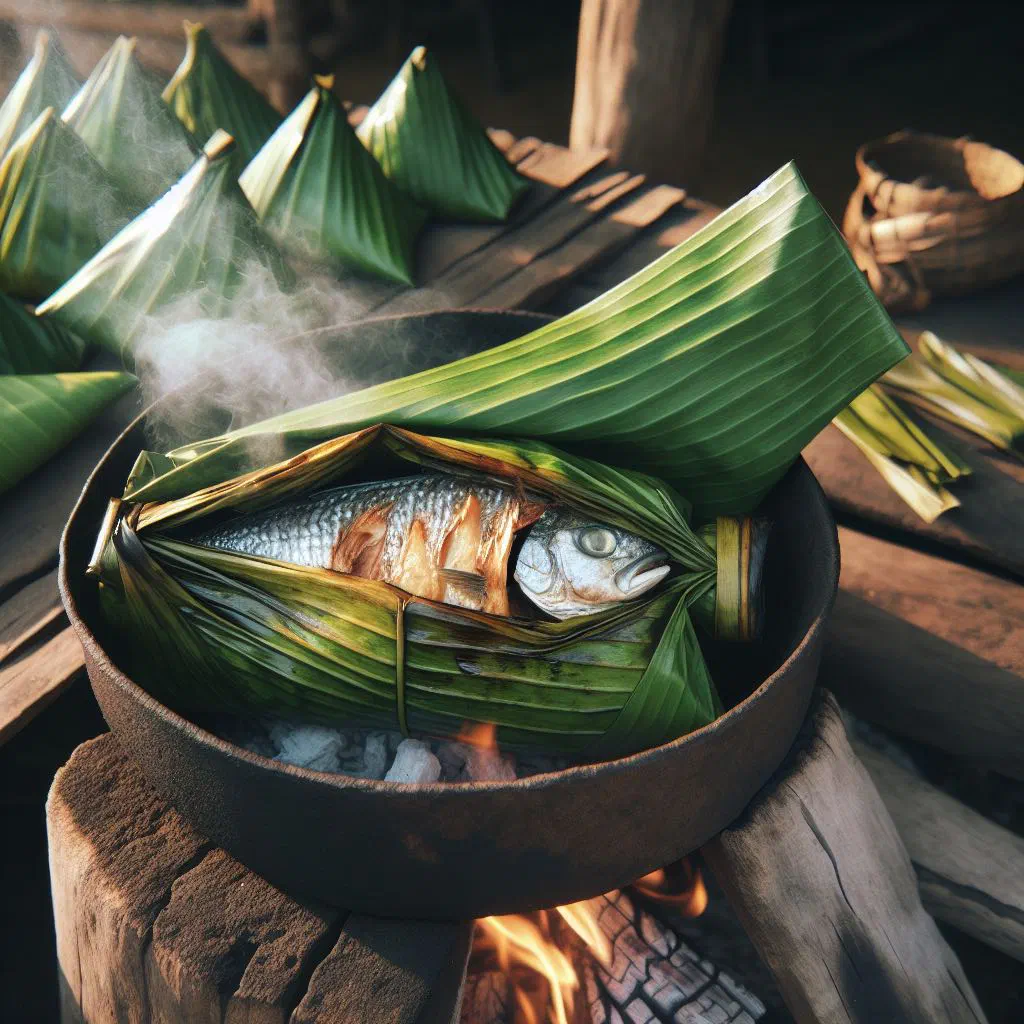
- Steam: place the parcels in a steamer or a large pan with water and steam for about 30 minutes.
- Serve: bring the parcels straight to the table and garnish with fresh coriander.
Gluten-free / lactose-free version
Poisson en Feuilles de Banane is naturally gluten-free and lactose-free, since none of the core ingredients contain either. The fish, the spices and the vegetables are all suitable for anyone avoiding gluten, and the recipe uses no dairy at all. The one thing to watch is your spices: some shop-bought blends carry wheat-based anti-caking agents or milk powder. Read the labels and you can serve this dish with complete confidence to guests with dietary restrictions.
Tips for vegans and vegetarians
The recipe adapts to a vegan or vegetarian table with very little effort. Swap the fish for tofu or tempeh and marinate it in exactly the same mixture. These plant proteins soak up the lime, garlic and ginger beautifully and give an equally satisfying result. Seasonal vegetables such as aubergine or courgette also steam wonderfully inside the leaves, and if you would like a meat-free main with a similar spirit, Saka-Saka is well worth a look.
More tips and tricks
A handful of small habits will noticeably improve both the cooking and the eating. Use fresh, good-quality ingredients throughout, with so few components, there is nowhere for a tired tomato to hide. Squeeze a little extra lime juice over the fish just before serving; it lifts the whole parcel and adds a welcome brightness. And do experiment with your spice mix to give the dish a personal signature, whether that means a pinch more paprika or a hint of nutmeg.
Adapting the recipe to your taste
Poisson en Feuilles de Banane is an unusually forgiving dish. Adjust the seasoning as you please, a little chilli for heat, or extra herbs such as parsley or thyme for a fresher, greener note. Different types of fish produce quite different results, from firm, meaty fillets to softer, sweeter ones, so let the fishmonger’s counter guide you. This flexibility means you can match the recipe to your own preferences and to whatever happens to be in season.
Ingredient substitutions
There are plenty of workable alternatives if something is missing. Where fresh fish is hard to come by, smoked fish makes an excellent stand-in and brings an extra layer of depth to the parcel. Banana leaves can be replaced with aluminium foil at a pinch, though you will lose some of the authentic fragrance the leaves provide. Beyond that, feel free to experiment with other vegetables and herbs until you land on your own version, the same spirit of improvisation that shapes dishes like Maboke de Poisson.
Drink pairing ideas
The right drink rounds off the meal perfectly. Fresh fruit juices, pineapple or mango in particular, harmonise with the lime and ginger and add a cooling contrast to the warm spices; a homemade Jus de Gingembre is another natural match. If you would prefer something alcoholic, a light white wine or a fruity cocktail does the job nicely. Whatever you choose, keep it delicate: the aim is to complement the fish, not to compete with it.
Serving and presentation ideas
Presentation matters more than usual here, because the parcel is half the pleasure. Serve the fish still wrapped in its banana leaves on a large platter for an authentically rustic look, and let each guest open their own. Garnish with fresh herbs and a few lime wedges to sharpen the colours. Leaving the individual ingredients visible rather than burying them makes the dish far more inviting and builds anticipation around the table.
A bit of history
Poisson en Feuilles de Banane has its roots in the traditional cooking of Gabon and reflects the country’s rich cultural mix. Banana leaves have been a staple of African kitchens for centuries, serving not only as a wrapper but as a genuine flavouring agent in their own right. The technique has been refined across generations and is enjoyed today in countless regional variations throughout Gabonese cuisine. The dish does more than showcase good ingredients. It tells a story of tradition, resourcefulness and community.
More recipe ideas
Summary: Poisson en Feuilles de Banane
Poisson en Feuilles de Banane is that rare thing: a dish that is genuinely delicious and genuinely good for you. The combination of fresh fish, banana leaves and fragrant spices creates a memorable eating experience and offers a real insight into the culinary variety of Gabon. With a little preparation and the right ingredients, you can recreate this traditional recipe in your own kitchen without any special equipment. Let its aromas and its history inspire you, and enjoy a journey full of flavour.