National Dish Gabon: Ragoût d'escargots (Recipe)
In this article
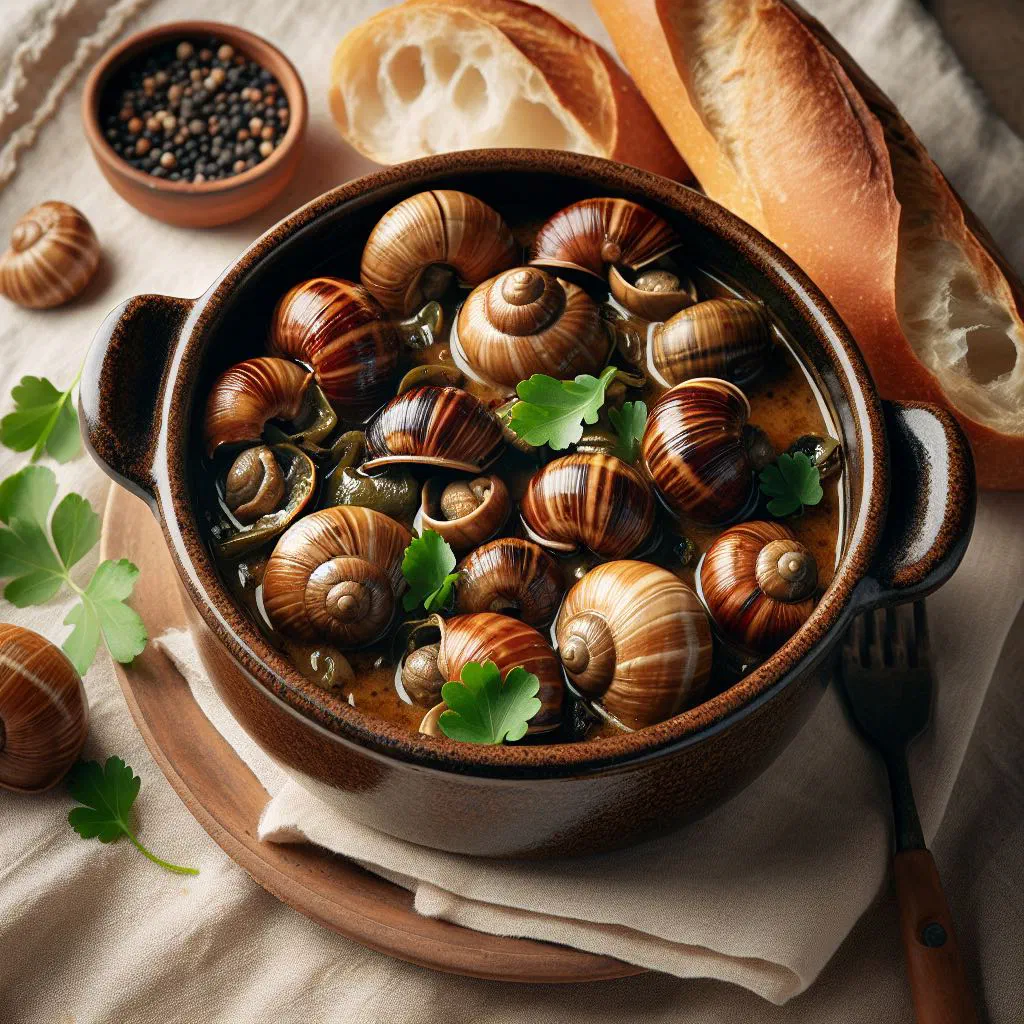
Discover the national dish of Gabon: Ragoût d’escargots. This gently simmered snail stew brings together tender snails, sweet onions, plenty of garlic and a handful of fresh herbs in a glossy, savoury sauce. It is a dish with real character, earthy, aromatic and quietly luxurious, and a wonderful way to experience Gabon’s culinary heritage from your own kitchen.
About Ragoût d’escargots
Ragoût d’escargots is a fascinating dish from Gabon, defined by its unusual flavours and its use of local ingredients. Snails are a popular food across several African countries, and in Gabon they are lovingly folded into rich, slow-cooked stews. The dish marries the tender texture of the snails with a generous mix of herbs and spices, producing a taste experience that is genuinely hard to forget. If you are looking for something new to cook, this stew is the perfect place to start.
Ingredients (serves 1–2)
- 200 g snails (ideally from a trusted source)
- 2 tablespoons olive oil
- 2 cloves of garlic, finely chopped
- 1 onion, diced
- 1 teaspoon paprika
- 1 bunch fresh herbs (parsley, thyme)
- 1 teaspoon salt
- 1 teaspoon pepper
- 200 ml vegetable stock
Shopping for the ingredients
To make Ragoût d’escargots properly, fresh ingredients are essential if you want the best flavour. Snails are available from specialist food shops or online suppliers, and it is worth making sure they are fresh and of good quality. This is the single biggest factor in the finished dish. Fresh herbs and vegetables can be picked up at a local market or a well-stocked supermarket, much as you would when shopping for a Ragout De Viande Au Gombo.
Preparing the dish
Before you start cooking, wash and prepare all the ingredients thoroughly. The snails in particular should be cleaned carefully so that no grit or residue remains. Cut the vegetables into even pieces so that everything cooks at the same rate. Good preparation is what separates a decent stew from an excellent one, so take your time and get everything ready before the pan goes on the heat.
Step-by-step instructions
- Heat the olive oil in a saucepan, add the onion and garlic and fry for a few minutes until softened.
- Add the snails and sear them briefly to give them a little colour.
- Stir in the paprika, salt, pepper and fresh herbs and mix well.
- Pour in the vegetable stock and let the stew simmer over low heat for around 20 minutes so the flavours can develop.
Gluten-free / lactose-free version
Ragoût d’escargots is naturally gluten-free and lactose-free, provided the stock you use contains no gluten. Simply reach for a certified gluten-free vegetable stock and you can follow the recipe exactly as written. That makes this stew a great option for anyone with food intolerances who still wants a full-flavoured, satisfying main course.
Tips for vegans and vegetarians
The original Ragoût d’escargots contains snails, which makes it unsuitable for vegans and vegetarians. A very good alternative is marinated mushrooms, whose firm, yielding texture stands in nicely for the snails. Cook them with exactly the same herbs and spices to land close to the original flavour. Be creative and experiment with different vegetables to build a plant-based stew of your own, in the spirit of Sauce Folong.
More tips and tricks
To make the stew even tastier, add extra spices or a pinch of chilli for a pleasant background heat. Experiment with different herb blends to tune the aroma to your liking. A little lemon juice stirred in at the end lifts the whole dish and adds a welcome freshness. Do keep an eye on the cooking times, as this is what gives you the perfect consistency.
Adapting the recipe to your taste
Ragoût d’escargots takes very well to adjustment, so feel free to vary it to suit your palate. Prefer it spicier? Add more paprika or a little cayenne pepper. For a deeper, rounder flavour you can also splash some red wine into the stock. And if you want something richer still, stir in a spoonful of cream right at the end of the cooking time.
Ingredient substitutions
If an ingredient is missing from your cupboard, there are plenty of workable alternatives. Coconut oil in place of olive oil, for example, sends the dish in a different but equally appealing direction. Chicken or beef stock can replace the vegetable stock for a more intense result, much as it would in a Ragout De Poisson.
Drink pairing ideas
A delicious Ragoût d’escargots goes beautifully with good wine or a homemade lemonade. A light, dry white such as Sauvignon Blanc or Chardonnay complements the flavours of the stew perfectly. If you would rather avoid alcohol, a sparkling lemonade with fresh herbs and lemon makes a refreshing companion. Whatever you choose, pick a drink that underlines rather than overwhelms the flavours on the plate.
Serving and presentation ideas
To present your Ragoût d’escargots attractively, serve it in a handsome bowl and garnish with extra fresh herbs. A side of freshly baked bread is excellent for mopping up the delicious sauce, and slices of Banane Plantain Frite work just as well. A simple but stylish presentation adds to the overall effect and makes the dish far more inviting. Candlelight and a nicely laid table do the rest.
A bit of history
Ragoût d’escargots reflects a long tradition within Gabonese cuisine, which is rich in varied influences and flavours. The use of snails goes back a very long way in many African cultures and often signals regional identity and pleasure in good food. In Gabon snails are valued not merely as sustenance but as a delicacy, served in particular social and cultural settings. The dish therefore stands for an authentic culinary experience that has won over a great many people.
More recipe ideas
Summary: Ragoût d’escargots
Ragoût d’escargots is a delicious dish and a symbol of Gabonese culture and everyday eating. With its fresh ingredients and distinctive aromas, it offers a wonderful way into the variety and richness of the country’s cooking. This recipe gives you the chance to prepare something out of the ordinary that will impress family and friends alike. Enjoy the cooking, and the return to tradition.