National Dish Georgia: Badrijani (Recipe)
In this article
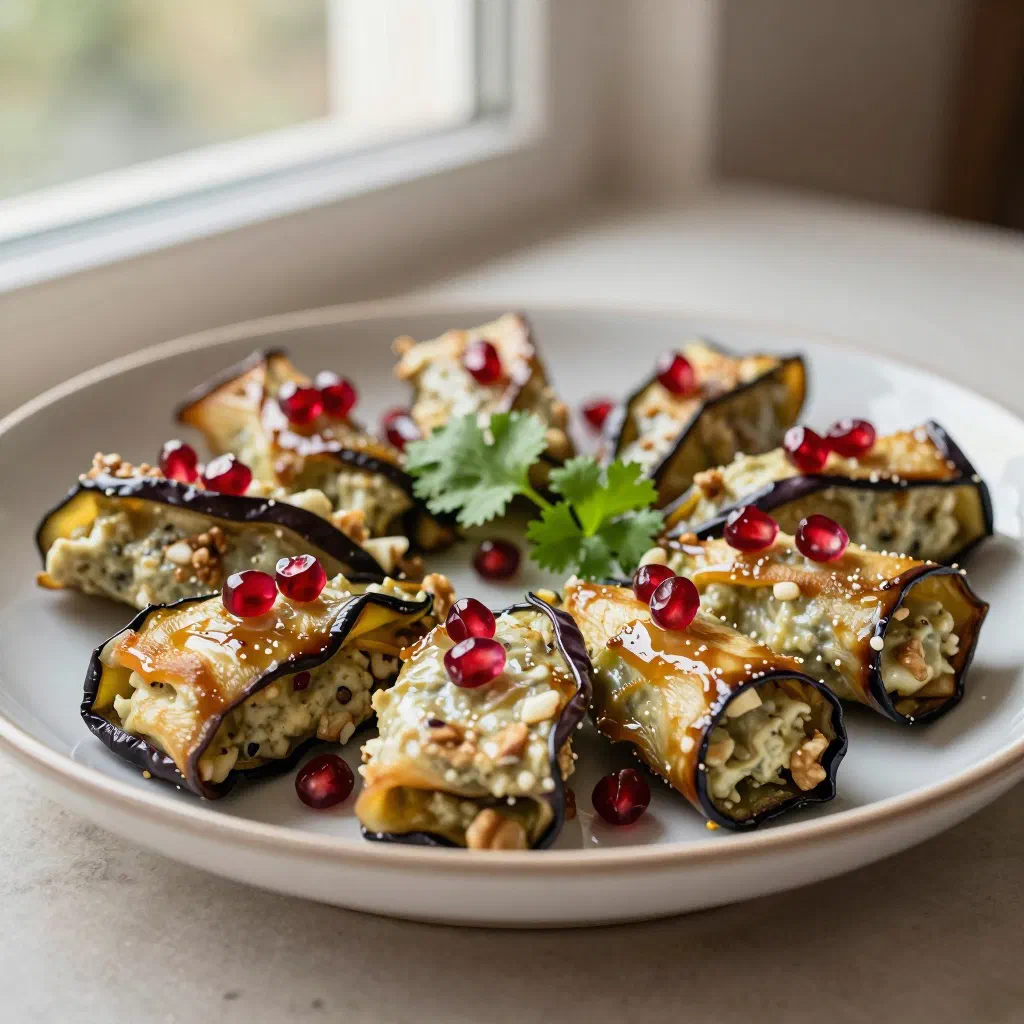
Discover Badrijani, one of the most beloved specialities of the Georgian table. Tender slices of fried aubergine are rolled around a fragrant walnut filling seasoned with garlic, coriander and fresh herbs. It is a feast for the eyes as much as for the palate, colourful, generous and surprisingly simple to make at home. Serve it as a starter, a light snack or part of a larger spread, and let the flavours of the Caucasus do the rest.
About Badrijani
Badrijani is one of the best known and most treasured dishes in Georgian cooking. It is built around fried aubergines, sliced thin and cooked until soft and fragrant, offering a wonderful interplay of flavour and texture. The filling is made from walnuts, enriched with a whole range of spices and herbs to create an aroma you will not forget. Badrijani is an excellent choice for keen food lovers, and a marvellous option for vegetarians and vegans.
Ingredients (serves 1–2)
- 2 large aubergines
- 150 g walnuts
- 1 onion, finely chopped
- 2–3 tablespoons vegetable oil
- 2 cloves of garlic, crushed
- 1 teaspoon paprika powder
- 1 teaspoon ground coriander
- Fresh herbs (parsley or coriander, for example)
- Salt and pepper to taste
Shopping for the ingredients
When shopping for the ingredients for badrijani, pay close attention to the quality of the aubergines. Choose fresh, smooth, blemish-free specimens, as they form the foundation of the entire dish. Fresh walnuts are equally decisive for the flavour of the filling, while spices such as paprika and coriander provide the aromatic lift. Do not worry if one or two items are missing from your local shop; they are usually easy to find in international grocers or online.
Preparing the dish
To prepare badrijani, begin by cutting the aubergines into thin slices and salting them lightly to draw out any bitterness. Let them rest for around 20 minutes before patting them dry and frying them in oil. Meanwhile, make the aromatic walnut filling by combining the ground walnuts with onion and spices, much the same technique that underpins a classic Georgian Bazhe sauce. These steps are essential for achieving the perfect texture and the full depth of flavour.
Step-by-step instructions
- Lay the aubergine slices out in salt and leave them to rest for 20 minutes.
- Pat away the water that has been drawn out, then fry the slices in a pan with oil until golden brown.
- Mix the walnuts, onion, garlic and spices in a bowl until you have a smooth, even paste.
- Drain the fried aubergines on kitchen paper and allow them to cool.
- Spread each slice with the walnut filling and roll it up.
- Garnish with fresh herbs and serve.
Gluten-free / lactose-free version
Badrijani is naturally gluten-free and lactose-free, which makes it suitable for most dietary requirements. There are no additional ingredients that contain gluten or lactose, so it is an ideal choice for anyone with an intolerance. Do check, however, that your oils and any ready-mixed spices are likewise free of hidden gluten or dairy components. Beyond that, the dish can be enjoyed without a second thought.
Tips for vegans and vegetarians
Badrijani is an outstanding dish for vegans and vegetarians, since it is made entirely from plant-based ingredients. To keep the recipe fully vegan, use vegetable oils and check the spice blends you reach for. The filling of walnuts and herbs delivers flavour and valuable nutrients. The dish slots easily into a complete meal when combined with other Georgian specialities such as Pkhali.
More tips and tricks
To take your badrijani up a notch, experiment with different nuts or spices to add a personal signature. If you like the filling with more heat, stir in chopped chillies or a hotter paprika. It is also worth sprinkling the aubergines with a little lemon juice before frying to intensify the aromas. Serve the finished rolls cold or at room temperature for the very best result.
Adapting the recipe to your taste
Badrijani is a flexible dish that adapts readily to your own preferences. If you would like a nut-free version, for example, replace the walnuts with puréed chickpeas or sunflower seeds. You can vary the herbs just as freely to discover new flavour combinations, the closely related Nigvziani Badrijani shows just how much room there is to play. This adaptability is what keeps badrijani timeless and never dull.
Ingredient substitutions
When making badrijani you can swap the walnuts for other nuts, such as cashews or almonds, to bring out interesting new flavours. The oil used for frying can vary too, depending on your taste; olive oil or sesame oil both lend a lovely character. If you want to change the flavour of the aubergines themselves, try marinating the slices in soy sauce before frying. Alternatives like these open up appealing variations on the classic.
Drink pairing ideas
A dish as flavourful as badrijani goes particularly well with Georgian wines, which complement its aromas perfectly. A fresh, fruity white harmonises beautifully with the nutty notes of the filling. Alternatively, mint tea or a lightly flavoured sparkling water will brighten the whole plate. Either option makes the meal feel that bit more festive and complete.
Serving and presentation ideas
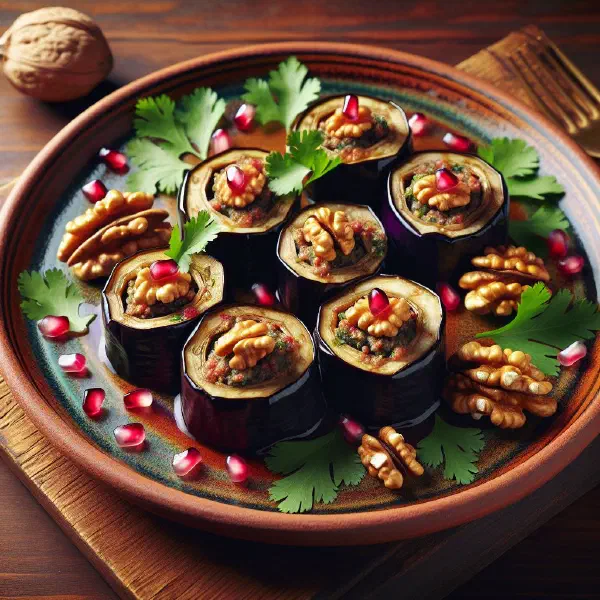
Presentation can make a real difference to how much you enjoy badrijani. Serve the filled aubergine rolls on an attractive platter, garnished with freshly chopped herbs and a squeeze of lemon juice. Scatter a few whole walnuts or other nuts around the dish for appealing texture and contrast. Small touches like these lift the overall picture and make the food far more inviting.
A bit of history
Badrijani holds deep significance in Georgian food culture and is often served at celebrations and special occasions. The pairing of aubergine and walnut is regarded as a hallmark of the country’s gastronomy. Historically, the dish reflects the rich culinary traditions of Georgian cuisine and is prepared in many different regions thanks to its versatility. The recipe has absorbed countless adaptations over the years while remaining true to its essence.
More recipe ideas
Summary: Badrijani
In short, Badrijani is a wonderful example of the variety and flavour of Georgian cooking. With its combination of tender aubergine and boldly spiced walnut filling, the dish is a treat for the eyes as well as the palate. It is straightforward to prepare and can be tailored to a great many tastes and preferences. Ideal as a starter or a light snack, give badrijani a try and enjoy the flavours of Georgia.