National Dish Georgia: Elarji with Sulguni (Recipe)
In this article
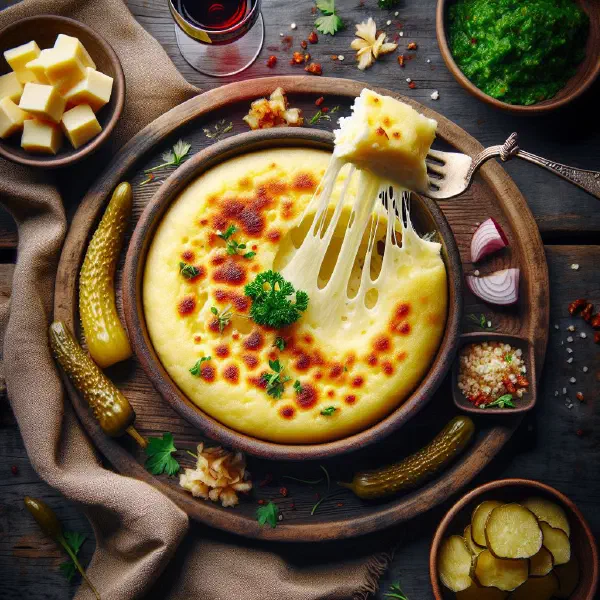
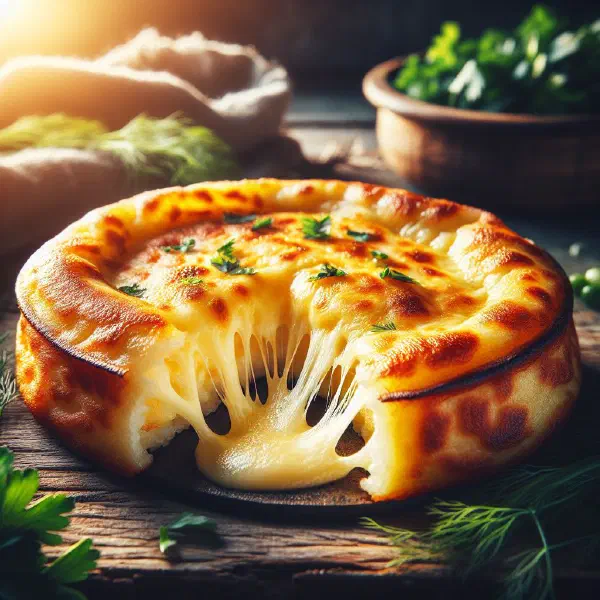
Few dishes capture the warmth of a Georgian table quite like Elarji with Sulguni. Thick, glossy cornmeal is stirred patiently over the heat until melting cheese runs through it in long, stretchy ribbons, the kind of dish that gathers everyone round the pan. It is humble food with a big personality: just a handful of ingredients, a little patience and a wooden spoon are all you need to bring a taste of the Samegrelo region into your own kitchen.
About Elarji with Sulguni
Georgian cooking is celebrated for its rich flavours and its generous use of simple, honest ingredients. Elarji is one of those traditional dishes that seems to carry the soul of the country in a single bowl. It is built on cornmeal and the much-loved sulguni cheese, which melts as it warms and gives the dish its famously creamy, elastic texture. Elarji is often served as a main course, but it also works beautifully as a side dish alongside meat or vegetable plates.
Ingredients (serves 1–2)
- 200 g cornmeal
- 150 g sulguni cheese
- 500 ml water
- 1 teaspoon salt
- 2 tablespoons butter or vegetable oil
- Fresh herbs (coriander or parsley, for example)
Shopping for the ingredients
The ingredients for elarji are relatively easy to track down, particularly in Eastern European or Middle Eastern grocery shops. The cornmeal and the sulguni cheese are the two components that really define the dish. If sulguni is nowhere to be found, another good melting cheese will stand in, the same problem you face when making Achma or a classic Khachapuri. Fresh herbs lend the dish an aromatic lift and are widely available.
Preparing the dish
Before you start cooking elarji, lay out all your ingredients and clear your work surface. It makes the whole process far calmer and saves you hunting for something halfway through, when the pan needs constant attention. The water should already be at a rolling boil before the cornmeal goes in, as that is what guarantees an even consistency. Remember to cut the cheese into small pieces so it melts more quickly.
Step-by-step instructions
- Bring the water to the boil in a large pan and add the salt.
- Pour in the cornmeal slowly, whisking constantly so no lumps can form.
- Reduce the heat and cook the mixture, stirring all the while, until it turns thick and creamy.
- Add the sulguni cheese and keep stirring until it has melted completely and is worked right through.
- Serve the elarji piping hot, garnished with fresh herbs or a spicy sauce of your choice.
Gluten-free / lactose-free version
For a gluten-free elarji you can simply rely on the cornmeal, which is naturally free from gluten. Do check that no other gluten-containing ingredients sneak in along the way. If you would like a lactose-free version, use a lactose-free cheese alternative or a plant-based product with a similar melting quality. Make sure the remaining ingredients are lactose-free as well, so there are no unwelcome surprises.
Tips for vegans and vegetarians
For a vegan take on elarji, swap the sulguni for a plant-based cheese alternative. Choose one made with good-quality ingredients so neither the flavour nor the texture is lost along the way. You can also pair the dish with roasted vegetables or a creamy plant-based sauce to deepen the flavours, the vegetable-forward spirit of Ajapsandali is a fine model here. Fresh herbs remain essential and give any vegan version that little something extra.
More tips and tricks
To get the very best from your elarji, experiment with different herbs and spices. Thyme, oregano or even a pinch of chilli can give the dish a distinctive edge. Playing with texture matters just as much, so toasted nuts or seeds make an interesting addition. Serve elarji with a fresh salad on the side to round the meal out nicely.
Adapting the recipe to your taste
The elarji recipe is remarkably adaptable. Feel free to add extra ingredients such as courgette or peppers during cooking to vary the flavours. You can also tailor the cheese mixture to your own liking by blending in other varieties you enjoy. Even the way you serve it can shift. Try baking it as a gratin for a completely different consistency.
Ingredient substitutions
If sulguni cheese is unavailable, other melting cheeses such as mozzarella or Gouda will do the job. The cornmeal can be replaced with rice flour or a blend of different flours for a new set of flavours and textures, though a pure maize base keeps it close to relatives like Mchadi. The butter can equally be swapped for olive oil or vegan margarine to make the dish lighter. Be creative with new combinations until you hit on the version that suits you best.
Drink pairing ideas
To round off the elarji experience, serve a Georgian wine, a red in particular harmonises well with the savoury character of the dish. A freshly made yoghurt drink or a herbal tea also makes a refreshing companion. For an alcohol-free option, fruit juices or spritzers work nicely against the richness of the food.
Serving and presentation ideas
Presenting elarji is simple but effective. Serve it in an attractive bowl and garnish generously with fresh herbs. A colourful spread of vegetables on the plate adds visual appeal, and a walnut-based sauce such as Bazhe makes a striking partner. Consider pairing the dish with a brightly coloured sauce to create a contrast that catches the eye and pleases the palate.
A bit of history
Elarji is an age-old classic of Georgian cooking, with roots that run deep into the country’s culture and traditions. For a long time it sustained farmers and labourers, being both filling and highly nourishing. The use of cornmeal traces back to Georgian agriculture, where maize was one of the principal food crops. Elarji shows the simplicity of Georgian cuisine and the importance placed there on community and on sharing a meal.
More recipe ideas
Summary: Elarji with Sulguni
Elarji is a hearty, deeply satisfying dish that reflects Georgian culture beautifully. With its straightforward method and its handful of delicious ingredients, it is ideal for anyone setting out to discover Georgian food. This cornmeal classic unites tradition and flavour and takes happily to personal adjustment. Enjoy your elarji with plenty of fresh herbs and a well-chosen side for a truly complete experience.