National Dish Georgia: Gomi (Recipe)
In this article
Meet Gomi, the humble cornmeal staple that sits at the heart of the Georgian table. Thick, warm and gently savoury, it is the country’s answer to polenta, a soft, comforting base that soaks up rich stews and grilled meats beautifully. Simple enough for a weeknight yet steeped in centuries of tradition, Gomi is an open invitation to Georgian hospitality and its famously generous way with food.
About Gomi
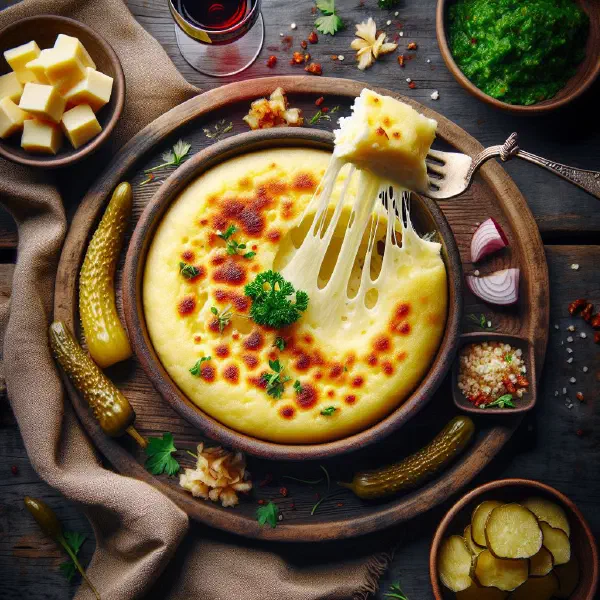
Gomi is a traditional Georgian dish made from nothing more than cornmeal and water. It calls to mind Italian polenta, yet it has a character and flavour entirely of its own. This hearty preparation has become a much-loved side dish, most often served alongside a variety of meat and vegetable dishes such as Chakhokhbili or a slow-cooked Chanakhi. Making Gomi is not only straightforward, it also spreads the warmth of Georgian culture and hospitality.
Ingredients (serves 1–2)
- 300 g cornmeal
- 1 litre water
- 1 teaspoon salt
- 1 tablespoon butter (optional)
Shopping for the ingredients
The ingredients for Gomi are available in most supermarkets or in specialist delicatessens. Take care to choose good-quality cornmeal, as it has a decisive influence on the flavour of the finished dish. If you have the chance, buy organic or freshly milled cornmeal to experience the full depth of taste. Salt and butter can be adjusted to your own preference or left out altogether.
Preparing the dish
Getting Gomi ready is quick and uncomplicated. Begin by bringing the water to the boil in a large pan. Add the salt and stir well so that it dissolves evenly throughout. Before you add the cornmeal, make sure the water is at a proper rolling boil. This helps the flour blend in smoothly and gives you a silky consistency. The dish needs no elaborate preparation at all, which makes it ideal for a fast and satisfying supper.
Step-by-step instructions
- Bring 1 litre of water to the boil in a pan.
- Add 1 teaspoon of salt and stir to dissolve.
- Reduce the heat and add 300 g of cornmeal slowly, stirring constantly.
- Cook the mixture over low heat for around 15–20 minutes, until it reaches a thick, creamy consistency.
- Stir in 1 tablespoon of butter if you like, mixing well.
- Serve Gomi hot, usually alongside a portion of meat or vegetables.
Gluten-free / lactose-free version
Gomi is naturally gluten-free, since it consists of cornmeal alone. For anyone who is lactose intolerant or simply prefers to avoid dairy, the butter can be left out without any trouble. Alternatively, use plant-based butter or a mild vegetable oil to achieve a similarly creamy result. That way the dish stays every bit as delicious while suiting a range of dietary needs.
Tips for vegans and vegetarians
Gomi is an excellent choice for vegans and vegetarians, as it is made entirely from plant-based ingredients. To boost its nutritional value, pair it with a selection of vegetable sides, a walnut-rich Pkhali is a natural partner. Fried mushrooms or sautéed spinach and courgette work especially well too. Experiment with spices and herbs to give your Gomi an extra layer of flavour.
More tips and tricks
To improve the texture of Gomi, it is worth lightly toasting the cornmeal in a small dry pan before adding it to the water. This lends the dish a deeper, nuttier aroma. You can also adjust the consistency by adding more or less water, depending on whether you prefer it firmer or creamier. Gomi keeps well in the fridge and can be reheated the next day, either in the microwave or in a pan.
Adapting the recipe to your taste
You can tailor Gomi to your own preferences simply by adding different spices. A hint of paprika or garlic gives the dish a gentle kick. For something even heartier, stir in grated cheese if that fits your way of eating, a young sulguni is the classic Georgian option. Small changes like these open up any number of flavour possibilities that depart from the original recipe while remaining thoroughly delicious.
Ingredient substitutions
If you cannot lay your hands on the usual ingredients, there is no cause for concern. Instead of cornmeal you can use rice flour to create another gluten-free variation. For extra body, a spoonful of buckwheat flour makes an interesting addition to the mix. Bear in mind that this will shift the flavour slightly, though the method of preparation stays exactly the same.
Drink pairing ideas
Gomi goes wonderfully with a range of drinks. A classic Georgian wine such as Saperavi or Rkatsiteli complements the savoury notes of the dish perfectly, much as it does with a plate of Mtsvadi. For an alcohol-free option, fresh fruit juices or a refreshing mint tea are ideal. Pairings like these round out the whole experience and invite you to discover still more of the Georgian table.
Serving and presentation ideas
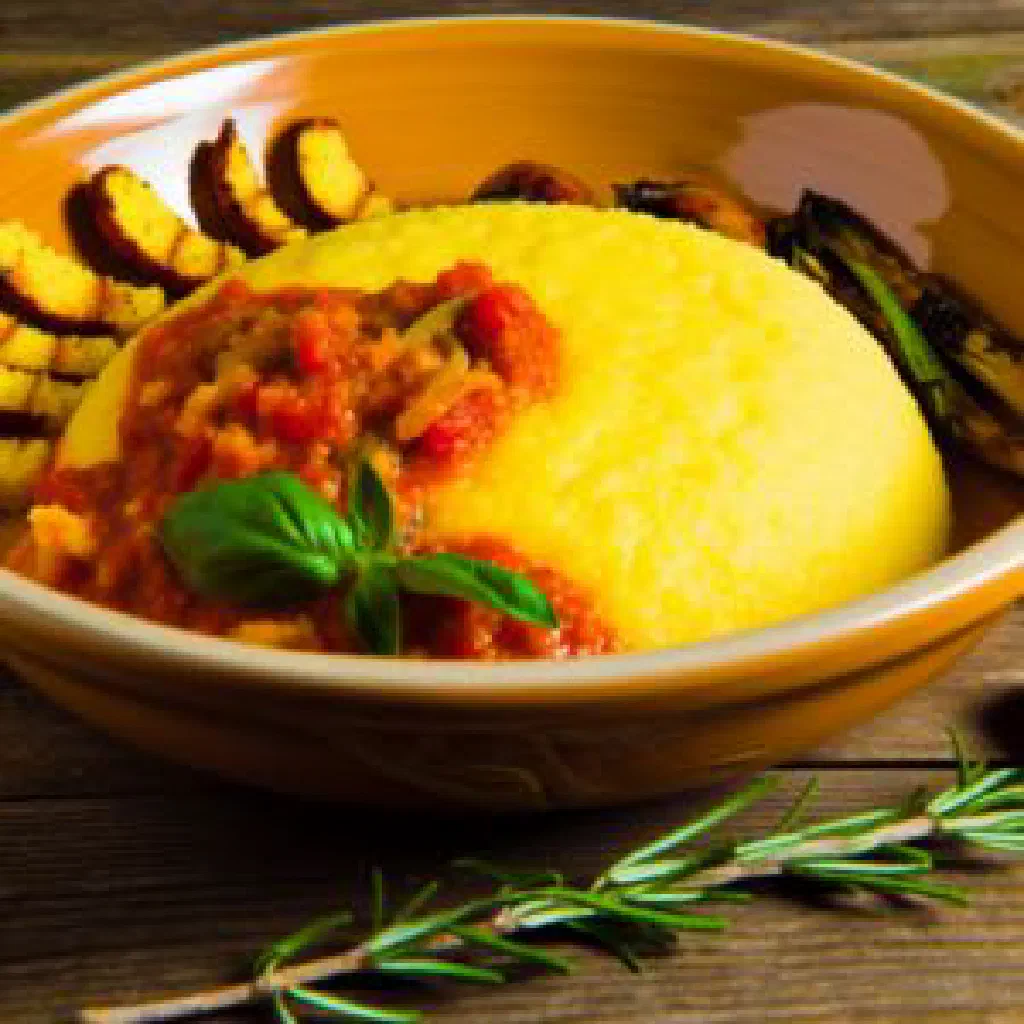
Presenting Gomi can be simple and welcoming in equal measure. Serve the dish in an attractive bowl and garnish it with fresh herbs or a drizzle of olive oil. A few colourful vegetables on the side add contrast and turn the plate into something close to a still life. Little touches like these make the dish not just tasty but visually appealing as well.
A bit of history
Gomi has a long tradition in Georgian cuisine and has been a fixture of everyday eating for centuries. It reflects the simple, warm-hearted habits of the Georgian table. Originally regarded as food for ordinary working people, it has since earned a firm place in restaurant cooking thanks to its versatility and flavour. Through Gomi you gain a genuine insight into Georgian culture and its culinary heritage.
More recipe ideas
Summary: Gomi
Gomi is a delicious and wonderfully simple introduction to Georgian cooking. With its hearty base of cornmeal and water, it offers endless scope for adaptation and can be served with a great many dishes. Preparation is quick and fuss-free, which makes it an ideal choice for any evening meal. Let Gomi inspire you and go on to discover the rich variety of Georgian food.