National Dish Georgia: Mchadi (Recipe)
In this article
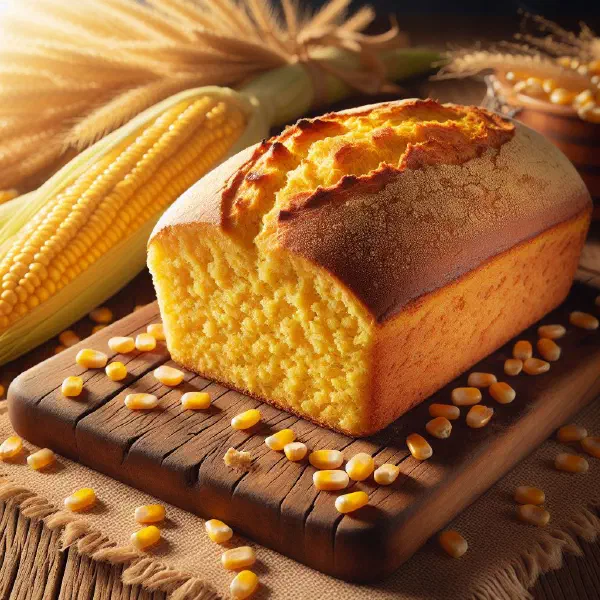
Discover Mchadi, the golden cornbread of the Caucasus. These simple little maize flour patties are fried until crisp on the outside and soft within, and they turn up on Georgian tables from mountain villages to city kitchens. With just four everyday ingredients you can bring a genuine piece of Georgian culture into your home, and once you have tried them warm from the pan, you will understand why they have stayed on the menu for centuries.
About Mchadi
Mchadi is a Georgian speciality made from maize flour, and it holds a special place in almost every household. These delicious, golden cornbread patties are straightforward to make and remarkably tasty. Traditionally mchadi is served as an accompaniment to hearty stews, though it is equally good enjoyed on its own as a snack. The gently nutty flavour of the maize flour flatters a great many dishes and offers an authentic culinary experience you can recreate in your own kitchen.
Ingredients (serves 1–2)
- 200 g maize flour
- 300 ml water
- 1 teaspoon salt
- 1 tablespoon vegetable oil
- (optional) feta cheese or herbs, for extra flavour
Shopping for the ingredients
The ingredients for mchadi are easy to find in most supermarkets and at local markets. Do take care to choose good-quality maize flour, as this makes a considerable difference to the flavour of the finished patties. The water should be fresh for the best results. If you would like to use feta cheese or fresh herbs, look for regional products to get a more authentic aroma, the same principle that lifts a classic Khachapuri.
Preparing the dish
Preparing mchadi is uncomplicated and requires only a few simple steps. First, set out all your ingredients so the process runs smoothly from start to finish. Remember to scale the quantities to the number of portions you need. Getting the dough mixture right is the key to achieving the perfect texture, crisp on the outside, yet soft in the middle.
Step-by-step instructions
- Combine the maize flour and the salt in a bowl.
- Add the water gradually, mixing well with a spoon or your hands until you have a smooth dough.
- Shape the dough into small, flat patties.
- Heat the vegetable oil in a frying pan and fry the patties until golden brown on both sides.
- Serve the mchadi warm and enjoy them as a side dish or a snack.
Gluten-free / lactose-free version
Because mchadi consists mainly of maize flour, it is naturally gluten-free, which makes it an excellent choice for anyone with coeliac disease or a gluten intolerance. If you would like to add feta cheese, simply reach for a lactose-free alternative. The dish then suits almost every dietary requirement. As always, check your ingredients carefully to make sure they match your own needs.
Tips for vegans and vegetarians
For vegans, mchadi is an ideal dish, as it contains no animal products at all. To vary the recipe, add extra herbs or spices to shift the flavour in a new direction. Bear in mind that using vegetable oil rather than butter is essential here. Vegetarians may like to add feta cheese for a creamier note, much as you would in a rich Nadughi.
More tips and tricks
For the perfect texture it is important to add the water slowly so the dough does not become too wet. Frying over medium heat likewise ensures the mchadi cook through evenly without burning on the outside. If you would like to build in more aroma, try different herbs and spices such as cumin or dried oregano. Feel free to experiment with the consistency of the dough by adding more or less water until you find your own style.
Adapting the recipe to your taste
The basic mchadi recipe is easy to tailor to personal preference. You might, for example, try different types of flour: a mix of maize and buckwheat flour makes for an interesting flavour combination. If you want more texture, fold in roughly chopped nuts or seeds.
Ingredient substitutions
If you cannot get hold of maize flour, it is worth turning to other flours such as rice flour or polenta. These alternatives will, however, change the texture and taste of the finished patties slightly. Instead of vegetable oil you could also use coconut oil for a hint of tropical sweetness. Try small quantities first to find the proportions that suit your palate best.
Drink pairing ideas
Mchadi goes wonderfully with a wide range of drinks. In Georgia the patties are traditionally served with a glass of Georgian wine, an unbeatable combination, a bottle of Tsinandali being the classic choice. Alternatively, sparkling mineral water or a light lemonade harmonises nicely with the flavour of the cornbread. For a special occasion, a fresh herbal tea is a lovely way to underline the taste of the dish.
Serving and presentation ideas
The way you present your mchadi can enrich the whole eating experience. Serve the golden patties on a rustic wooden board to create an inviting atmosphere. Garnish them with fresh herbs or a bowl of yoghurt for a colourful contrast. Round out the spread with a selection of stews or vegetable salads, a plate of Pkhali works beautifully, to turn the patties into a complete meal.
A bit of history
Mchadi has a long tradition in Georgian cuisine and has been made for centuries. The roots of the dish lie in rural simplicity, where a handful of humble ingredients were enough for a nourishing and flavourful meal. In many Georgian families the recipe is handed down from generation to generation and forms part of the region’s cultural identity. This culinary heritage is a wonderful way to engage with Georgian culture and explore its history through food.
More recipe ideas
Summary: Mchadi
In short, mchadi is a simple yet exceptionally tasty Georgian speciality that deserves a place in every kitchen. With just a few ingredients and a handful of straightforward steps you can bring a piece of Georgian culture into your home. Whether as an accompaniment to hearty dishes or simply as a snack, mchadi is always a good choice. And with so many ways to adapt and reinvent it, the recipe can be varied effortlessly to suit any taste.