National Dish Germany: Baumkuchen (Recipe)
In this article
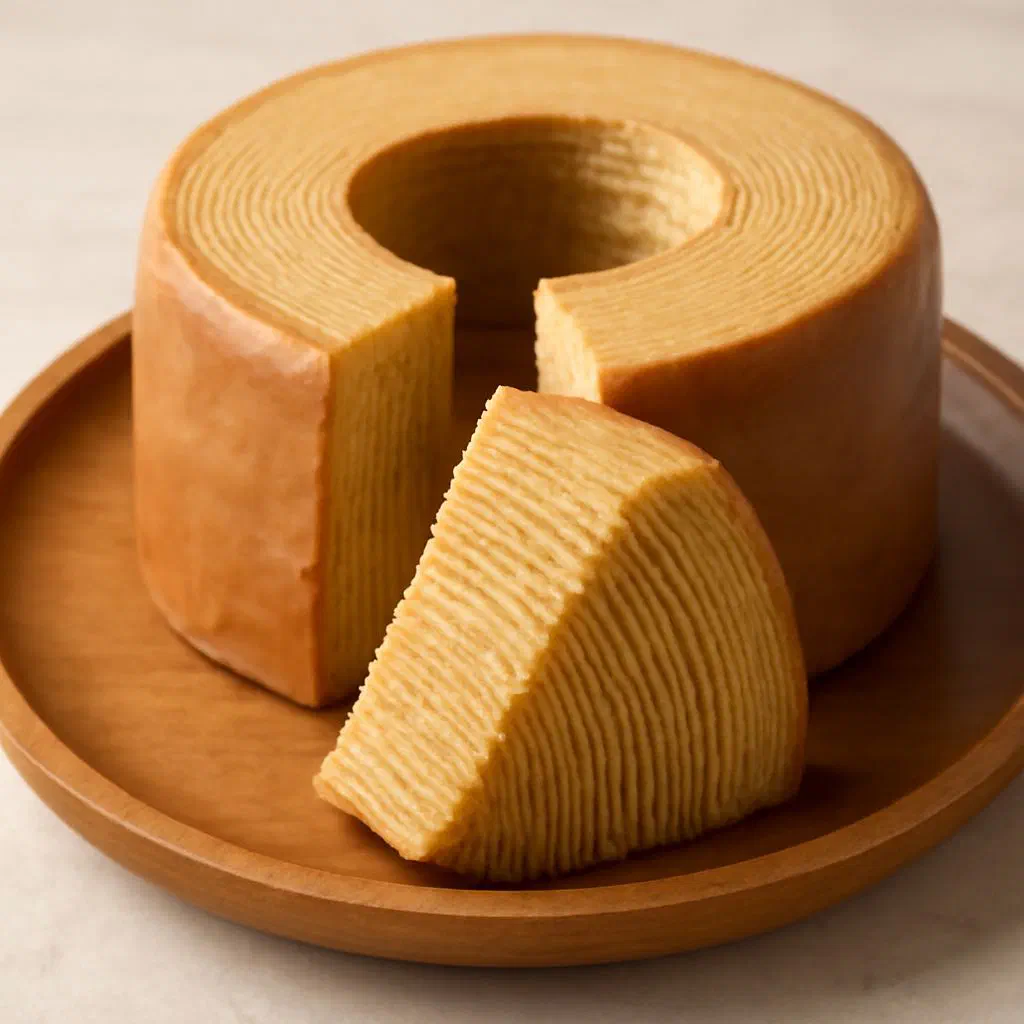
Few German bakes are as instantly recognisable as Baumkuchen, with its delicate “tree rings” revealed at the first slice. In the former East Germany it was a cake reserved for holidays and special visitors, often made with whatever the pantry allowed. This version stays true to its buttery, classic character while bringing the technique within reach of any ordinary kitchen. No specialist rotating spit required, just patience and a hot grill.
About Baumkuchen
Baumkuchen is celebrated as one of Germany’s most distinctive baking specialities, recognised at once by its characteristic “year rings”. In the former GDR it was often baked for holidays or as a treat when guests came to call, sometimes with pragmatic adjustments to whatever ingredients were available. Its defining feature is the construction from thin layers of batter, baked one after another until they build into a sturdy yet moist cake. This recipe leans into a classic, buttery flavour and a method that works in a normal kitchen without any specialist Baumkuchen roller.
Ingredients (serves 1–2)
- 60 g butter (softened)
- 50 g sugar
- 1 sachet vanilla sugar
- 2 eggs (medium)
- 60 g plain wheat flour (type 405)
- 15 g cornflour (for a fine texture)
- 1 pinch of salt
- 1–2 tbsp milk (as needed for the right consistency)
- Optional: 40–60 g dark chocolate for coating or decorating
Shopping for the ingredients
When you shop, pay particular attention to fresh eggs and good butter, as both shape the aroma and texture far more than you might expect. For that typical fine crumb, plain wheat flour (type 405) is ideal, while the cornflour lightens the batter and gives it a more delicate, cake-like quality. If you plan to use chocolate, it is worth choosing a good-quality dark chocolate, since it balances the sweet batter beautifully. You only need milk as a corrective to make the batter spreadable, so a small carton or a leftover splash from the fridge is plenty.
Preparing the dish
Before you begin, make sure the butter is at room temperature, as it then creams together with the sugar far more easily. Ideally preheat the oven using the grill setting or a strong top heat, because the Baumkuchen layers need to “catch” and brown quickly. Line a small loaf tin (or a small ovenproof dish) with baking paper so the cake releases cleanly later on. It also helps to have a dough scraper or a spoon ready, so you can spread each layer thinly and evenly.
Step-by-step instructions
- Cream the butter, sugar and vanilla sugar for 3–5 minutes until the mixture turns pale.
- Beat in the eggs one at a time, working each in well so the batter stays stable.
- Mix the flour, cornflour and salt, then fold in briefly, just until everything is combined.
- If the batter is too stiff, stir in 1–2 tbsp milk until it is spreadable (like a thick cream).
- Spoon a very thin layer of batter (about 2–3 tbsp) into the tin and smooth it out.
- Bake under the grill / top heat for 1–3 minutes until the surface is lightly golden (stay close, it happens fast).
- Add the next thin layer and brown again; carry on this way until the batter is used up.
- Finally, finish the cake at 160–170 °C (conventional heat) for another 8–12 minutes so the inside cooks through.
- Leave to cool, turn out of the tin and, if you like, coat or drizzle with melted dark chocolate.
Gluten-free / lactose-free version
For a gluten-free variant you can replace the wheat flour with a gluten-free flour blend for cakes, ideally one with a finely milled rice or maize content. The cornflour usually still works fine, as it is naturally gluten-free and helps create tender layers. The cake also comes out reliably lactose-free with lactose-free butter and lactose-free milk or a mild plant-based alternative. The key is not to overmix the batter, as gluten-free blends can otherwise turn “compact” more quickly and the layers become less fine.
Tips for vegans and vegetarians
This recipe is already vegetarian, provided you choose a chocolate without gelatine or animal additives. For a vegan version you need to replace the eggs and butter, which is more challenging with Baumkuchen since the layered structure relies heavily on egg. Good results often come from using aquafaba (chickpea water) as the whipping component and vegan butter or a high-fat margarine. A whisper of baking powder (used very sparingly) can also help keep the layers a touch lighter without losing that characteristic density entirely.
More tips and tricks
The single most important trick for lovely rings is to spread truly very thin layers and brown each one briefly before the next goes on. Stay at the oven while grilling, as the gap between golden brown and too dark is often just 20–30 seconds. If the surface browns unevenly, turn the tin between layers or reposition it slightly on the upper shelf. For an especially fine result, let the batter rest for 2–3 minutes before layering, so the flour and cornflour absorb the moisture evenly. Patience pays off here much as it does with a Dresden Christmas Stollen.
Adapting the recipe to your taste
If you prefer it more aromatic, work in some grated lemon zest or a hint of rum flavouring, which echoes the classic festive cakes. For a nuttier note, replace a small part of the flour with ground almonds, but balance the consistency with a little extra milk. A spoonful more sugar suits those with a sweet tooth, while fans of darker, more bitter notes are better served by dark chocolate and less sugar. The shape is adjustable too: a small loaf tin makes the “rings” denser, while a flatter dish produces broader layers.
Ingredient substitutions
If you have no cornflour to hand, you can replace it with more flour, though the cake will then be a little less fine in texture. Instead of vanilla sugar, vanilla extract or a pinch of ground vanilla works well and delivers a more intense aroma. In a pinch, butter can be swapped for baking margarine, although the flavour may turn out slightly less “buttery”. For the coating you can use couverture rather than plain dark chocolate, as it melts thinly and takes on a lovely shine when handled carefully, the same gloss you might admire on Halle Chocolate Balls.
Drink pairing ideas
Baumkuchen classically pairs with a strong coffee, as the roasted notes elegantly balance the sweet layers. If you prefer something milder, serve black tea or an aromatic vanilla or rooibos tea, which complements chocolate nicely. For special occasions, hot chocolate or a gentle fruit punch are good choices, particularly in the cooler months. Even a glass of cold milk (or a plant-based alternative) harmonises surprisingly well, rounding off the buttery texture pleasantly.
Serving and presentation ideas
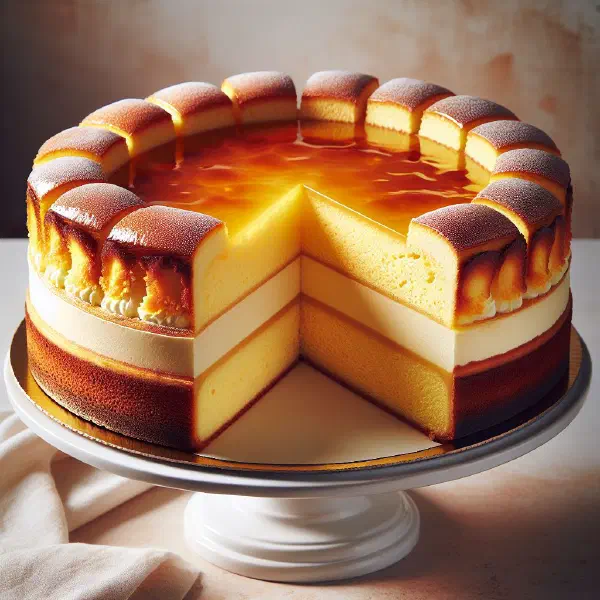
Cut the Baumkuchen into clean slices so the layered look is on full display. That is exactly what makes it so special. A thin chocolate coating or delicate chocolate threads add contrast and make the cake feel “finished”. For a simple, classic image, a dusting of icing sugar lightly clouds the surface without masking the flavour. When serving, small accompaniments like berries or a dollop of unsweetened cream (or a vegan alternative) look elegant without overpowering the cake.
A bit of history
Baumkuchen is often described as a traditional German cake and is unique within the country’s baking culture thanks to its layering technique. Its appearance recalls the year rings of a tree, hence the name and the typical “aha” moment when you cut into it. In the GDR, baking was frequently shaped by pragmatism: people used available ingredients, varied the flavourings and relied on dependable methods that worked in household ovens. That is precisely why everyday versions remain so popular, preserving the character while doing without any specialist equipment, a hallmark of much of German cuisine.
More recipe ideas
Summary: Baumkuchen
With this Baumkuchen you will achieve a cake that wins people over through its thin layers, buttery aroma and striking appearance. The decisive factors are room-temperature ingredients, a spreadable batter consistency and consistently browning each layer under the top heat. With a few simple adjustments the recipe can also be made gluten-free or lactose-free without losing its typical character. Stay attentive as you layer and you will be rewarded with a beautiful ring structure that makes Baumkuchen a genuine highlight.