National Dish Germany: Bavarian Cream (Recipe)

In this article
Discover Bavarian Cream, a silky-smooth dessert at the heart of German baking tradition. This airy, vanilla-scented cream marries a delicate custard with lightly whipped cream for a pudding that feels wonderfully indulgent yet stays elegantly light. Best of all, it needs no oven at all, which makes it a fuss-free choice for festive occasions and a forgiving one for first-time cooks. Bring a taste of Bavaria to your own table with this timeless classic.
About Bavarian Cream
Bavarian Cream is a beloved dessert often served in German households on festive occasions. Its hallmark is the lovely contrast between a creamy texture and a fine, fragrant note of vanilla, which together make it an enduring classic. This airy version is a no-bake dessert, so it is perfect for anyone just finding their feet in the kitchen. Let the recipe inspire you and bring the flavour of Bavarian tradition into your home.
Ingredients (serves 1–2)
- 250 ml milk
- 1 vanilla pod
- 2 egg yolks
- 40 g sugar
- 3 sheets gelatine
- 200 ml double cream
Shopping for the ingredients
When shopping for the ingredients for Bavarian Cream, it is worth paying attention to quality. A good-quality vanilla is crucial to the full, rounded flavour of the dessert. Fresh cream and milk also make all the difference to that signature creamy consistency. Head to a local market or a well-stocked supermarket to track down the best ingredients you can find.
Preparing the dish
Preparing Bavarian Cream is straightforward, though it does call for a little patience. Begin by soaking the gelatine in cold water so that it dissolves cleanly later on. While that softens, slit the vanilla pod lengthways and scrape out the seeds. These small steps of groundwork are key to making sure your dessert comes together perfectly.
Step-by-step instructions
- Warm the milk in a pan together with the vanilla pod and seeds until it is almost boiling.
- Put the egg yolks and sugar in a bowl and whisk together thoroughly.
- Slowly pour the warm milk into the egg-and-sugar mixture, stirring briskly all the while.
- Return the mixture to the pan and heat gently over a low heat until it thickens.
- Remove the vanilla pod, then add the squeezed-out gelatine and stir well until it has fully dissolved.
- Whip the cream until stiff and fold it gently into the cooled mixture.
- Spoon the cream into moulds and chill in the fridge for at least 4 hours until set.
Gluten-free / lactose-free version
Making Bavarian Cream gluten-free is simple, as you only need to ensure all your ingredients are chosen accordingly. The main components, milk, vanilla and gelatine, are naturally gluten-free as a rule. For a lactose-free version, just use lactose-free milk and cream. That way, people with intolerances can still enjoy this traditional dessert without missing out.
Tips for vegans and vegetarians
For a vegan take on Bavarian Cream, reach for plant-based alternatives. Swap the milk and cream for almond milk or coconut cream, and replace the gelatine with agar-agar or instant custard powder. You may want to adjust the amount of sugar to get the flavour just right. With a few clever swaps, everyone can enjoy this delicious dessert, whatever their diet.
More tips and tricks
A few extra pointers can make your Bavarian Cream even better. When whipping the cream, take care not to over-beat it, so you keep that lovely lightness. For a deeper aroma, you might fold in a splash of rum or liqueur. Fresh fruit or a fruity sauce as a topping adds the perfect finishing touch, much like the bright berries that crown a Hamburg Red Berry Pudding.
Adapting the recipe to your taste
Bavarian Cream is wonderfully easy to tailor to personal preference. Experiment with different flavours, such as chocolate or coffee, to create your own signature version. The sweetness is adjustable too. Use less sugar or try natural sweeteners instead. This way the dessert becomes uniquely yours and entirely unmistakable.
Ingredient substitutions
If you are looking for alternatives to certain ingredients in Bavarian Cream, you can, for instance, replace the gelatine with agar-agar. If vanilla is not your favourite, other spices such as cinnamon or cardamom work beautifully, the same warming touch you might find in a Rice Pudding with Cinnamon. For an extra fruity treat, stir puréed berries through the cream.
Drink pairing ideas
A few well-chosen drinks pair beautifully with a dessert like Bavarian Cream. A light, fruity sparkling wine or a glass of prosecco complements the creamy texture perfectly. Alternatively, an aromatic tea or a fruity lemonade makes a refreshing accompaniment.
Serving and presentation ideas
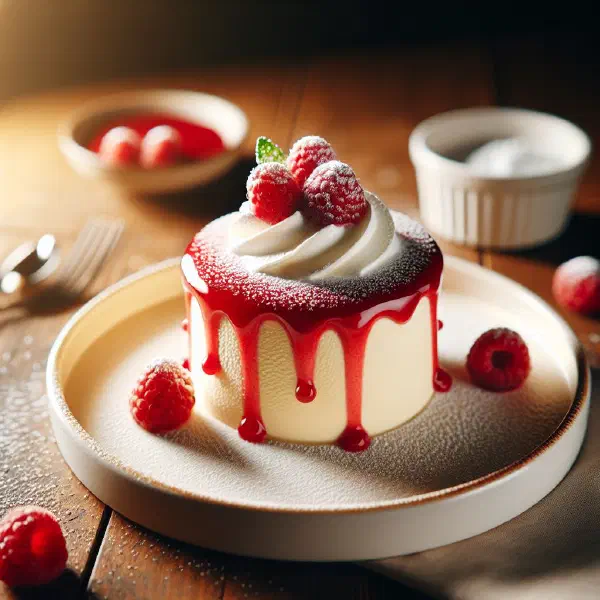
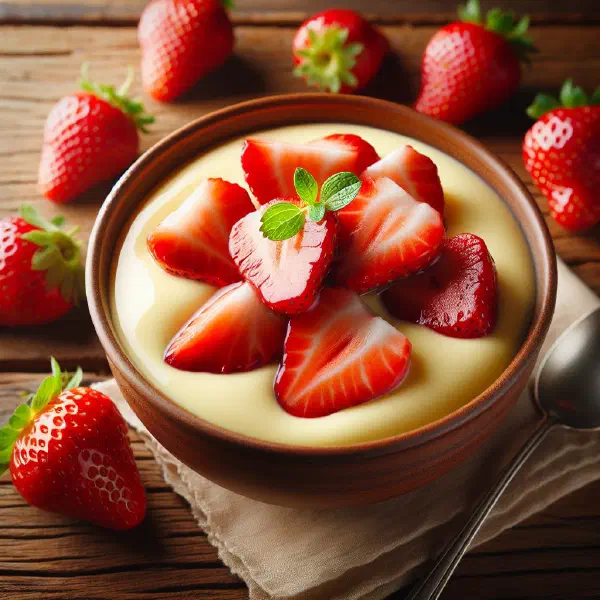
Presentation is everything with Bavarian Cream. Use decorative glasses or moulds and garnish the cream with fresh fruit, a little extra whipped cream or a sprig of mint. A drizzle of chocolate sauce can lift the look enormously. Aim for colours that work in harmony on the plate, after all, we eat with our eyes first.
A bit of history
Bavarian Cream has its origins in Bavarian cookery and has been treasured for centuries. Originally conceived as a festive dessert, over time it has grown into a popular treat in countless German households. The dessert speaks to a deep love of traditional sweet cooking and is often served on special occasions and holidays. Its lasting popularity is testament to the versatility and simplicity that define the best of German cuisine.
More recipe ideas
Summary: Bavarian Cream
In short, Bavarian Cream stands out for its simple preparation and its unmistakable flavour. It is perfect for festive occasions and lends itself to endless variation. With fresh ingredients and a little creativity, you can take this traditional dessert to a whole new level. Give it a try and savour a piece of Bavarian tradition.