National Dish Germany: Béchamel Potatoes (Recipe)
In this article
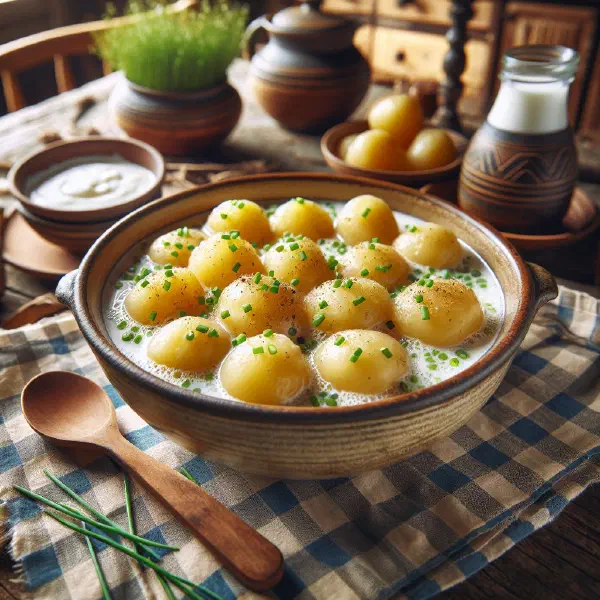
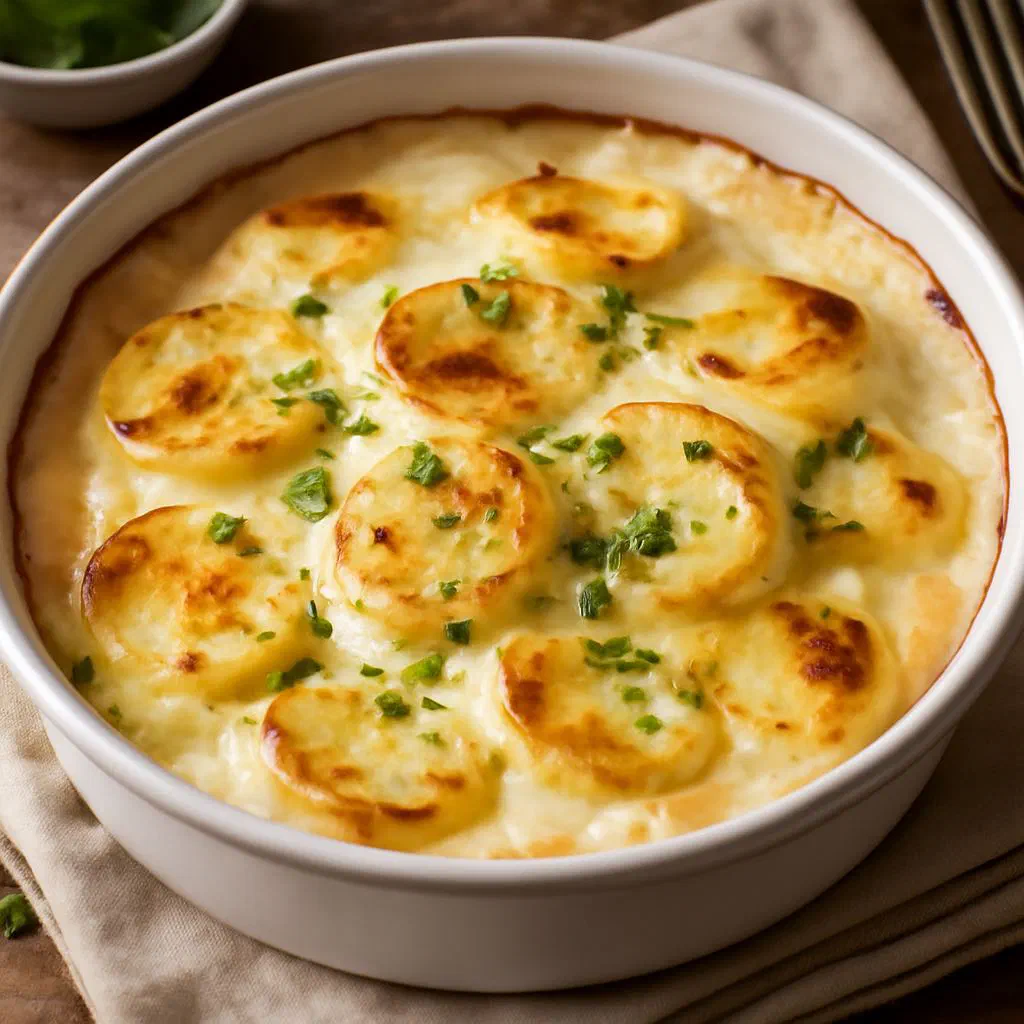
If you are after honest, no-fuss comfort food, Béchamel Potatoes deliver in spades. Floury potatoes are folded into a silky, milky white sauce until every bite turns mild, creamy and wonderfully filling. It is the kind of homely dish that East German kitchens turned out for generations, a few cupboard staples, a little nutmeg and a handful of fresh herbs, all on the table in no time. Simple, soothing and endlessly satisfying.
About Béchamel Potatoes
Béchamel Potatoes are a classic, pleasingly creamy dish that many people associate with DDR cuisine and its down-to-earth home cooking. At the heart of it are floury potatoes, served in a smooth béchamel sauce that makes the dish especially mild and sustaining. It was often cooked as an everyday meal, because it relies on only a few ingredients and comes together quickly. A little nutmeg, some onion and a scattering of fresh herbs turn this simple combination into a rounded, comforting plate that works just as well on its own as with a side or two.
Ingredients (serves 1–2)
- 500 g potatoes (floury)
- 1 small onion (optional, but aromatic)
- 25 g butter
- 25 g flour
- 350–450 ml milk (depending on how thick you like the sauce)
- Salt and pepper
- Nutmeg (freshly grated, to taste)
- 1–2 tablespoons chopped parsley (or chives)
- Optional: 1 teaspoon mustard or a squeeze of lemon juice for extra freshness
Shopping for the ingredients
For really good béchamel potatoes it pays to pick the right kind of potato: floury potatoes bind the sauce better and turn especially soft. With the milk and butter, quality makes a clear difference to the taste, because the sauce lives on its creamy, rounded note. Buying the onion and herbs fresh keeps the finished dish from feeling “heavy” and gives it a more balanced character overall. The handy part is that all the ingredients are typically available in any supermarket, so you will not need any special products.
Preparing the dish
Wash the potatoes thoroughly and then peel them, so the surface cooks evenly later and the sauce clings well. Cut the potatoes into even-sized pieces, as this lets them cook at the same rate and stops you ending up with hard or collapsed bits in the pan. If you would like to use onion, dice it very finely so it does not dominate the sauce but only lends a gentle aroma. Have the nutmeg, salt and pepper to hand too, because with a béchamel, proper seasoning is one of the most important steps.
Step-by-step instructions
- Put the potatoes on to cook in salted water and simmer for 15–20 minutes depending on size, until soft, then drain and let them steam off briefly.
- Melt the butter in a pan and, if using, sweat the diced onion over medium heat until translucent, without letting it brown.
- Stir in the flour and cook it for 1–2 minutes while stirring, so the sauce does not taste floury later on.
- Pour in the milk gradually, stirring vigorously, until you have a smooth, lump-free sauce.
- Let the sauce simmer gently over low heat for 3–5 minutes until it visibly thickens, then season with salt, pepper and nutmeg.
- Add the potatoes to the sauce and fold them in carefully, so the pieces stay as whole as possible while still coating well.
- Scatter over the parsley and serve at once, so the sauce keeps its creamy consistency.
Gluten-free / lactose-free version
For a gluten-free version, simply swap the wheat flour for cornflour or a gluten-free flour blend, with cornflour binding particularly reliably. It is important to mix the cornflour into a little cold milk first, so it disperses without lumps later and the sauce stays nice and smooth. For lactose-free béchamel potatoes, use lactose-free milk and lactose-free butter or a suitable alternative, so the flavour and creaminess are preserved. When seasoning, bear in mind that some substitute products can taste slightly sweet, which is why a touch more salt, pepper or nutmeg often restores the balance.
Tips for vegans and vegetarians
The dish is already vegetarian, as long as you use ordinary milk and butter and plan no meat on the side. For a vegan version, replace the butter with plant-based margarine or a neutral oil and use a plant-based milk such as oat, soya or unsweetened almond. A sauce made with soya milk works especially well, as it binds firmly and gives a pleasant creaminess without turning too thin. If you want more of a “cheesy” feel, a spoonful of nutritional yeast or a little mustard can add extra depth without spoiling the dish’s mild character.
More tips and tricks
One of the most common challenges with a béchamel is the consistency: if it gets too thick, a splash of milk helps; if it turns too thin, simply let it reduce gently for a few more minutes. Stir regularly while it cooks so nothing catches on the bottom of the pan and the sauce keeps its fine flavour. For a particularly harmonious result the potatoes should go into the sauce hot, because they then soak up more flavour and the whole thing feels creamier. If you like it heartier, you can play with a pinch of paprika or a hint of garlic, but use a light hand so the béchamel is not overpowered.
Adapting the recipe to your taste
Béchamel potatoes are easy to adapt to your own taste without losing the basic principle. Anyone who loves it especially mild can hold back on the onion and spices and lean on nutmeg as the main note, while fans of bolder flavours might add mustard or a little stock. The shape of the potato is flexible too: in slices it feels more “bake-ready”, while in cubes it reads more like a quick one-pan dish. For more variety you can also stir in vegetables such as peas or carrots, though this makes the sauce a touch less thick and it may need re-binding.
Ingredient substitutions
If you would rather not use butter, you can reach for rapeseed oil or a vegan margarine instead, with margarine coming closest in flavour to a classic béchamel. The milk can be replaced with lactose-free milk or plant-based milks; with oat milk an unsweetened variety is recommended so the sauce does not turn sweet. Instead of wheat flour, spelt flour or gluten-free alternatives work well, though you should dose cornflour carefully as it binds more strongly than flour. Fresh herbs can be swapped for frozen ones, but add them right at the end so the aroma does not “cook away”, much as you would treat the herbs in a Frankfurt Green Herb Sauce.
Drink pairing ideas
Béchamel potatoes go well with drinks that balance the creamy texture without overpowering the mild flavour. Mineral water with lemon or a light fruit spritzer is a very good match, because the acidity makes the dish feel fresher. If you fancy something warm, a mild herbal tea is gentle on the stomach and rounds the meal off nicely. A light beer or a dry white wine can work too, though best kept restrained so the fine note of nutmeg stays in the foreground.
Serving and presentation ideas
Even a simple dish looks especially appetising when you plate it neatly and use a few contrasts. Serve the béchamel potatoes in a shallow plate, so the creamy sauce stays visible and the potatoes do not “disappear”. A topping of fresh parsley or chives adds a green flash of colour and signals freshness at first glance. If you want to keep it classic, an extra twist of black pepper and perhaps a dab of mustard at the edge create both visual and flavour interest.
A bit of history
Dishes of potatoes and white sauce are known across many regions, but in the DDR they stood especially for everyday practicality and a style of cooking that made a great deal out of a few available ingredients. The béchamel sauce itself is originally French, but in home kitchens it was simplified over generations and adapted to local habits. In many families béchamel potatoes were cooked as a quick lunch, because potatoes are cheap, keep well and are filling. It is precisely this blend of simple store-cupboard cooking and creamy comfort that explains why the dish still feels both nostalgic and timeless, a fine slice of German cuisine.
More recipe ideas
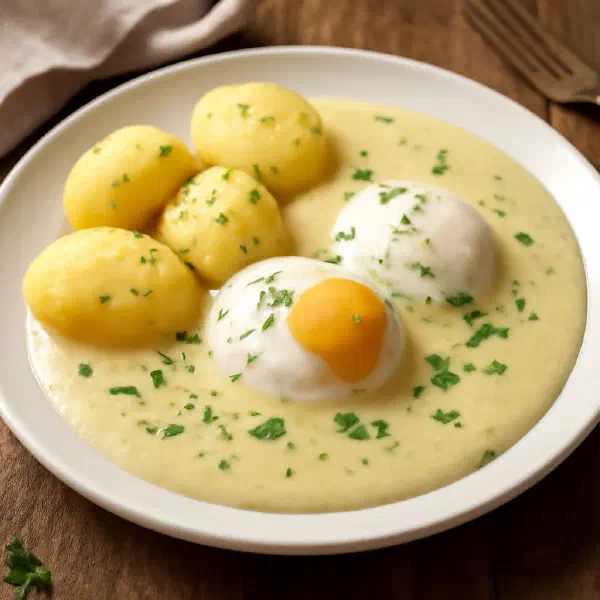
- Eggs in Mustard Sauce
- Saxon Potato Soup
- Potato and Carrot Mash
- Potato Soup with Vienna Sausages
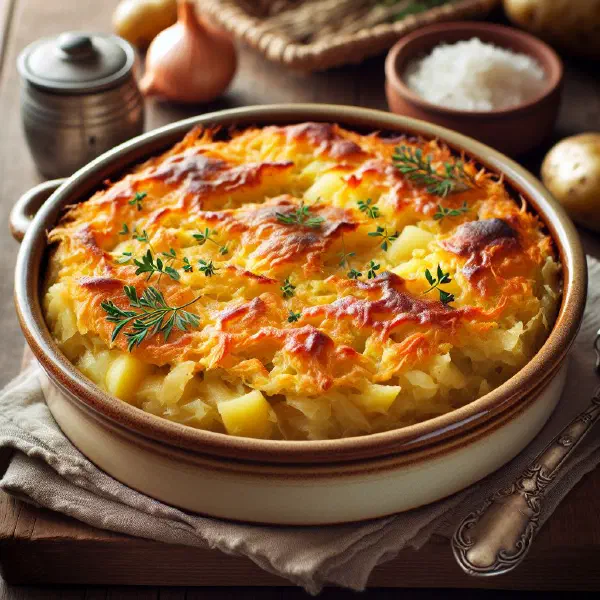
- Sauerkraut and Potato Bake
Summary: Béchamel Potatoes
Béchamel Potatoes are an uncomplicated feel-good meal that makes a surprisingly creamy and harmonious dish from just a handful of ingredients. The keys are the right potatoes, a lump-free béchamel and careful seasoning with salt, pepper and nutmeg. With a few simple tweaks the dish also turns out gluten-free, lactose-free or vegan without losing its essential character. Use fresh herbs and bring the sauce to your preferred consistency, and you will have a dish that comes together quickly yet still tastes of real home cooking.