National Dish Germany: Bienenstich (Recipe)
In this article
Meet Bienenstich, one of Germany’s most cherished bakes. This traditional cake brings together a crisp, golden almond topping and a luscious vanilla custard filling, all set on a tender yeast base. Loved by young and old alike, it is the kind of treat that turns an afternoon coffee into a proper occasion. Whether for a relaxed Kaffeeklatsch or a festive gathering, this sweet classic deserves a place on every table.
About Bienenstich
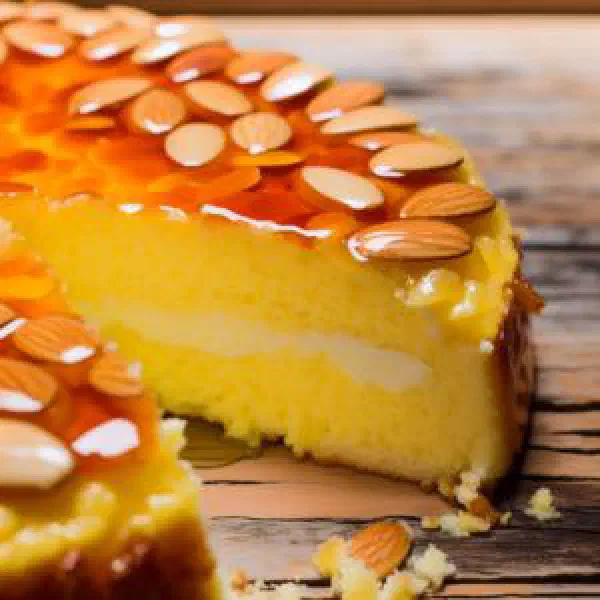
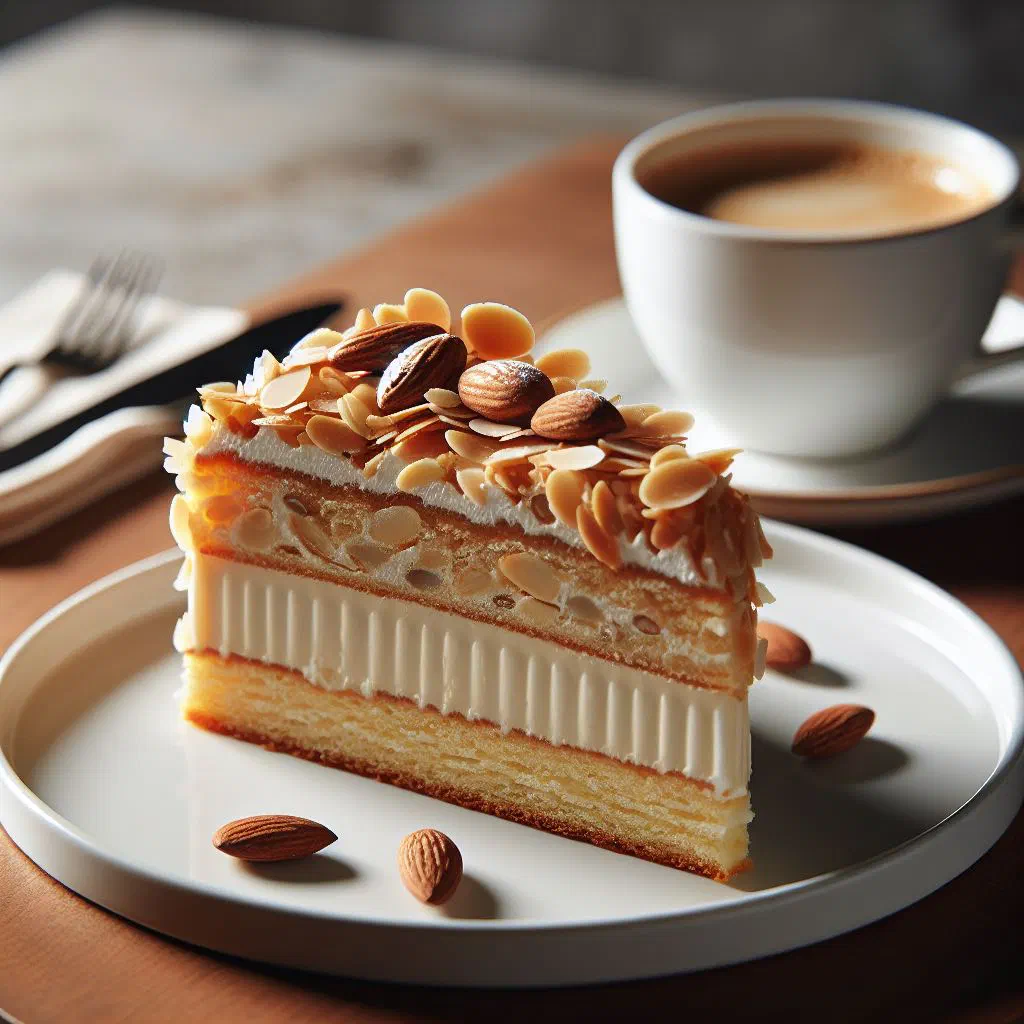
Bienenstich is a time-honoured German bake celebrated for its crunchy almond crust and its sweet, creamy vanilla filling. The contrast between the caramelised, nutty top and the soft, pillowy yeast dough beneath is what makes it so very good. Enjoyed across the country at family gatherings and bakeries alike, it appeals to all ages and remains a firm favourite. Served in generous slices, this dessert turns any coffee break into something special.
Ingredients (serves 1–2)
- 100g plain flour
- 50g sugar
- 50g butter
- 1 egg
- 100ml milk
- 10g fresh yeast
- 50g flaked almonds
- 200ml cream
- 1 sachet vanilla custard powder
- 20g honey
Shopping for the ingredients
Most of the ingredients for Bienenstich are easy to find in any well-stocked supermarket. It is well worth choosing fresh ingredients, particularly when it comes to the eggs and dairy products, as their quality has a real impact on the finished cake. A reliable sachet of vanilla custard powder and good flaked almonds will set you up for the best results. Take a moment to check use-by dates so everything is at its freshest.
Preparing the dish
Before baking, the yeast dough needs to be made and left to prove so it can rise properly. The vanilla custard should also be cooked in advance and given time to cool completely before it goes into the cake. Getting these two elements ready ahead means assembling the Bienenstich is quick and stress-free. A little planning here makes the whole process far smoother.
Step-by-step instructions
- Mix the yeast with the lukewarm milk and leave to stand for 10 minutes.
- Add the flour, sugar, butter and egg, then knead everything into a smooth dough.
- Leave the dough to prove in a warm place for 60 minutes.
- Meanwhile, bring the cream to the boil, stir in the vanilla custard powder and sugar, then leave to cool.
- Roll out the dough and scatter over the honey and flaked almonds.
- Bake at 180°C for about 20–25 minutes.
- Once cooled, slice the cake in half horizontally and spread the vanilla custard between the layers.
Gluten-free / lactose-free version
Bienenstich can be adapted for a gluten-free version by simply swapping the plain flour for a good gluten-free flour blend, which keeps the texture light and tender. For a lactose-free bake, use plant-based milk and a dairy-free spread in place of the butter and cream. Choose a custard powder without dairy, or thicken plant milk with cornflour instead. That way everyone at the table can enjoy a slice without worry.
Tips for vegans and vegetarians
To make Bienenstich suitable for vegans, replace the milk with plant drinks such as almond or oat milk and use vegan butter in place of the regular kind. Soya or coconut cream works beautifully instead of dairy cream for the filling, while a flax egg can stand in for the egg. The honey can be swapped for agave or maple syrup to keep things fully plant-based. With these simple changes, the cake stays just as indulgent.
More tips and tricks
To get an especially fluffy yeast dough, let it prove twice rather than once, knocking it back gently in between. For an extra-crunchy crust, reach for brown sugar or a touch of caramel when preparing the almond topping. Make sure the custard is fully cooled before filling, or it may soften the layers. A little patience at each stage rewards you with a beautifully balanced cake.
Adapting the recipe to your taste
Bienenstich is wonderfully flexible and easy to tailor to personal preference. Depending on your mood, you can replace the vanilla custard with a different filling such as chocolate cream or a layer of fruit jam. The quantity of almonds can be increased or reduced to suit how nutty you like it. These small tweaks let you create a version that feels entirely your own.
Ingredient substitutions
If certain ingredients are not to hand, there are plenty of creative alternatives. The flaked almonds can be swapped for other nuts such as hazelnuts or walnuts, which lend their own character to the topping, much like the nutty notes in Frankfurt Marzipan Balls. For a gluten-free version, use gluten-free flour, and a sprinkle of seeds works nicely if you would rather skip nuts altogether. Substitutions like these help you adapt the recipe to what you have at home.
Drink pairing ideas
Bienenstich pairs beautifully with a cup of freshly brewed coffee or an aromatic tea, both of which balance its sweetness. A glass of cold milk is a comforting match, while a light white wine makes a more elegant accompaniment for special occasions. For a regional touch, a cup of East Frisian Tea with Rock Sugar and Cream is a lovely choice. Whatever you pour, a warm drink brings out the best in this cake.
Serving and presentation ideas
Presentation can lift the whole Bienenstich experience. Serve it on a pretty cake stand and garnish with fresh berries or a light dusting of icing sugar for a touch of elegance. A decorative cake topper or a few edible flowers can add a charming finishing flourish. Arranged neatly on a coffee table, it makes an inviting centrepiece for any gathering.
A bit of history
Bienenstich has roots stretching back to the Middle Ages. According to legend, the recipe was invented by two bakers’ apprentices who fended off attackers by hurling beehives at them, saving their town in the process, and the cake’s name, meaning “bee sting”, is said to honour the tale. Whatever the truth of the story, the bake has endured for centuries as a beloved part of Germany’s cuisine. Today it remains a staple of cafés and home kitchens across the country.
More recipe ideas
Summary: Bienenstich
Bienenstich is a delicious German bake that appeals to with its crisp almond crust and sweet vanilla custard filling. With the right ingredients and a little patience, it is surprisingly straightforward to make and a true highlight of any coffee table. Whether for a quiet afternoon or a festive celebration, this classic never fails to charm. Let this German favourite inspire you and give it a try. Every slice is a small reward.