National Dish Germany: Bierwurst (Recipe)

In this article
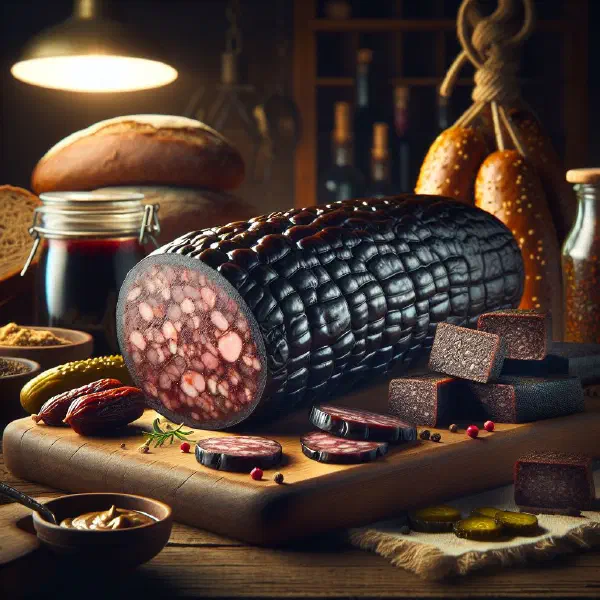
Say hello to Bierwurst, one of Germany’s most cherished sausages and a true staple of the country’s hearty charcuterie tradition. This classic combines the robust character of dark beer with warmly spiced pork and beef for a savoury flavour that is hard to resist. In this article we will show you how to make Bierwurst at home, from sourcing the freshest ingredients to gently poaching the sausages to perfection. Uncover the secret behind this delicious German delicacy and bring a slice of authentic tradition to your own table.
About Bierwurst
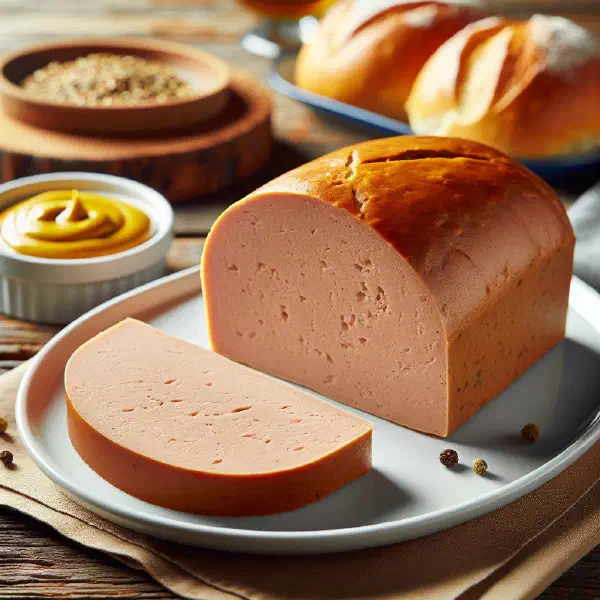
Bierwurst is a genuine treat and ranks among the most popular sausage varieties in Germany. This traditional dish brings together the bold aromas of beer and well-judged seasonings to create an one-of-a-kind taste experience. Despite its name, the beer adds depth and a subtle malty note rather than an overpowering bite, while the careful blend of pork, beef and spices gives the sausage its signature savoury richness. Enjoyed thinly sliced on bread or as part of a generous platter, it is a firm fixture of German comfort food and a fine example of the country’s love of good charcuterie.
Ingredients (serves 1–2)
- 500g pork
- 100g beef
- 50g bacon
- 1 onion
- 2 cloves of garlic
- 1 tsp mustard seeds
- 1 tsp pepper
- 1 tsp paprika
- 200ml dark beer
- Salt to taste
Shopping for the ingredients
When preparing Bierwurst, it really pays to focus on the freshness of your ingredients. The meat in particular should be of high quality, as it has a decisive influence on the flavour of the finished sausage. Your best bet is to buy from a butcher you trust, where you can ask for the right cuts and ratios. Don’t forget to choose a good dark beer too, as its aromas refine and round out the sausage beautifully.
Preparing the dish
Before you begin the actual preparation of the Bierwurst, take a little time to get everything ready. Cut the meat, the bacon and the onion into small pieces so they pass smoothly through the mincer. The garlic should be finely chopped, and it is worth measuring out all of your spices in advance so they are within easy reach once it comes to seasoning. A well-organised work surface makes the whole process far more relaxed.
Step-by-step instructions
- Toast the mustard seeds in a dry pan until they release their aroma.
- Pass the meat, bacon, onion and garlic through a mincer.
- Season the mixture with the toasted mustard seeds, pepper, paprika and salt.
- Pour in the dark beer and combine everything thoroughly.
- Shape the mixture into sausages and tie them off with kitchen string.
- Gently poach the sausages in hot water (do not boil) for about one hour.
- Allow the sausages to cool before serving.
Gluten-free / lactose-free version
Bierwurst lends itself well to a gluten-free and lactose-free diet. Make sure that all the spices you use and the beer itself are free from gluten and lactose. Reach for a beer brewed from gluten-free grains, which are increasingly easy to find. If you are ever unsure, simply check the product labels before you start.
Tips for vegans and vegetarians
There are good alternatives for vegans and vegetarians who would like to enjoy a “Bierwurst” of their own. Use plant-based meat substitutes such as those made from seitan or tofu, which can be processed and seasoned in much the same way as meat. A robust dark beer lends the vegan version plenty of character too, so you don’t lose that distinctive depth of flavour.
More tips and tricks
To make sure your Bierwurst turns out perfectly, it is worth paying attention to a few small details. Use a thermometer to keep the water at the right temperature and to control the poaching time precisely. Let the poached sausages rest in the fridge so the flavours can develop fully and settle. Finally, slice the sausage thinly to bring out its taste at its very best.
Adapting the recipe to your taste
The recipe for Bierwurst is easy to tailor to your own preferences. If you like things hotter, add a little more paprika or a pinch of chilli flakes. For a smoky note, you can use smoked paprika or smoked salt. Feel free to experiment with different spices and beers until you find your favourite version, much like the playful seasoning behind a Franconian Bratwurst.
Ingredient substitutions
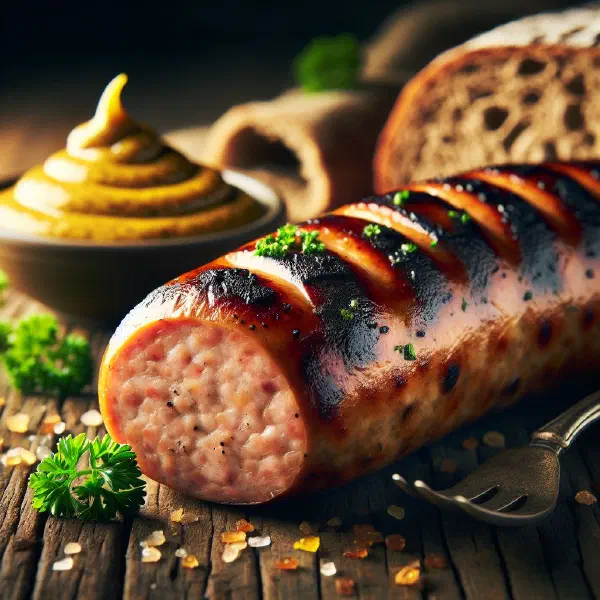
There are several ways to swap out individual ingredients. Instead of pork, you can use chicken or turkey if you prefer a lighter sausage. When it comes to the seasonings, feel free to experiment with additions such as coriander or caraway. And if dark beer is not to your taste, a pale ale or even an alcohol-free beer works perfectly well, in the same easygoing spirit as a Grilled Bratwurst.
Drink pairing ideas
A cold beer is the natural companion to a hearty Bierwurst, and you can happily try different styles depending on your mood. A full-bodied red wine also harmonises nicely with the savoury, spiced aromas. For alcohol-free options, a lively apple spritzer or a flavourful non-alcoholic beer makes a refreshing choice that still stands up to the sausage.
Serving and presentation ideas
Arrange the Bierwurst attractively so the eye can feast first. Cut the sausage into even slices and garnish with fresh herbs for a touch of colour. Hearty sides such as potato salad or sauerkraut round out the plate beautifully. Try the tangy Bamberg Potato Salad or a spoonful of Wine Sauerkraut. Serving everything on a rustic wooden board underlines the dish’s traditional character.
A bit of history
Bierwurst has a long tradition in German cuisine. It was originally created in Bavaria, where beer and sausage have always been an integral part of the culture. The pairing of sausages and beer has evolved and been refined over the years, and it remains a fixture of many regional kitchens to this day. Enjoyed on all manner of occasions, it sits comfortably within the wider tapestry of Germany cuisine.
More recipe ideas
Summary: Bierwurst
Bierwurst is a traditional German dish defined by its unique combination of meat and beer. With the right ingredients and a little time, this speciality can be prepared at home without any trouble. It offers plenty of room for adaptation and suits a wide range of occasions, from a casual snack to a generous spread. Give it a try and savour a genuine slice of German culture.