National Dish Germany: Biscuit Cake (Recipe)
In this article
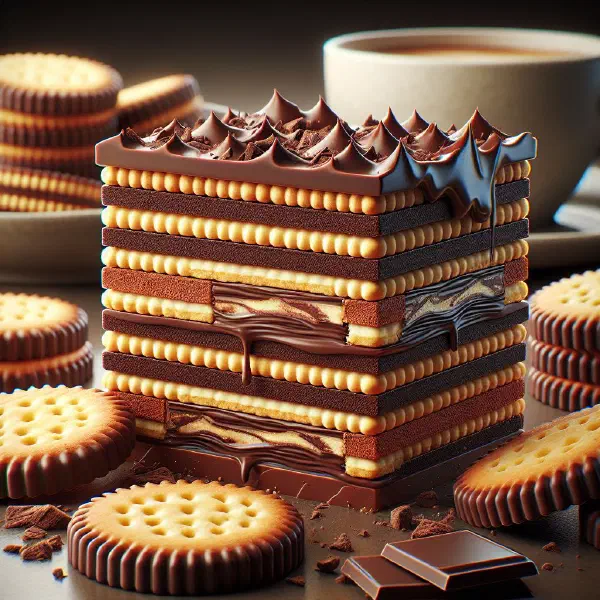
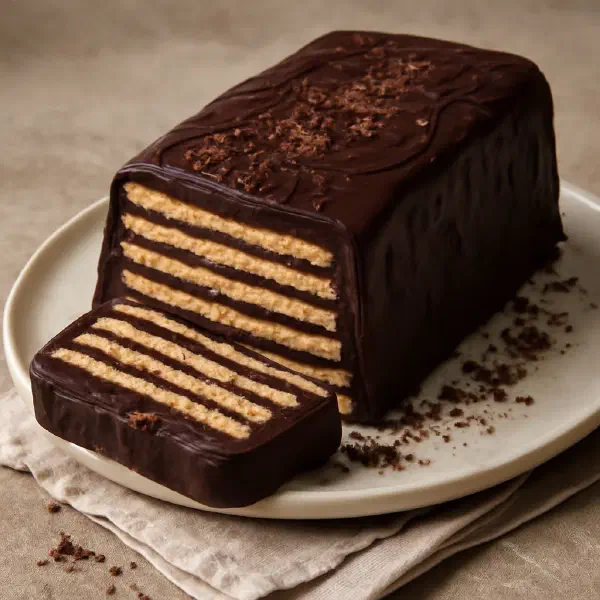
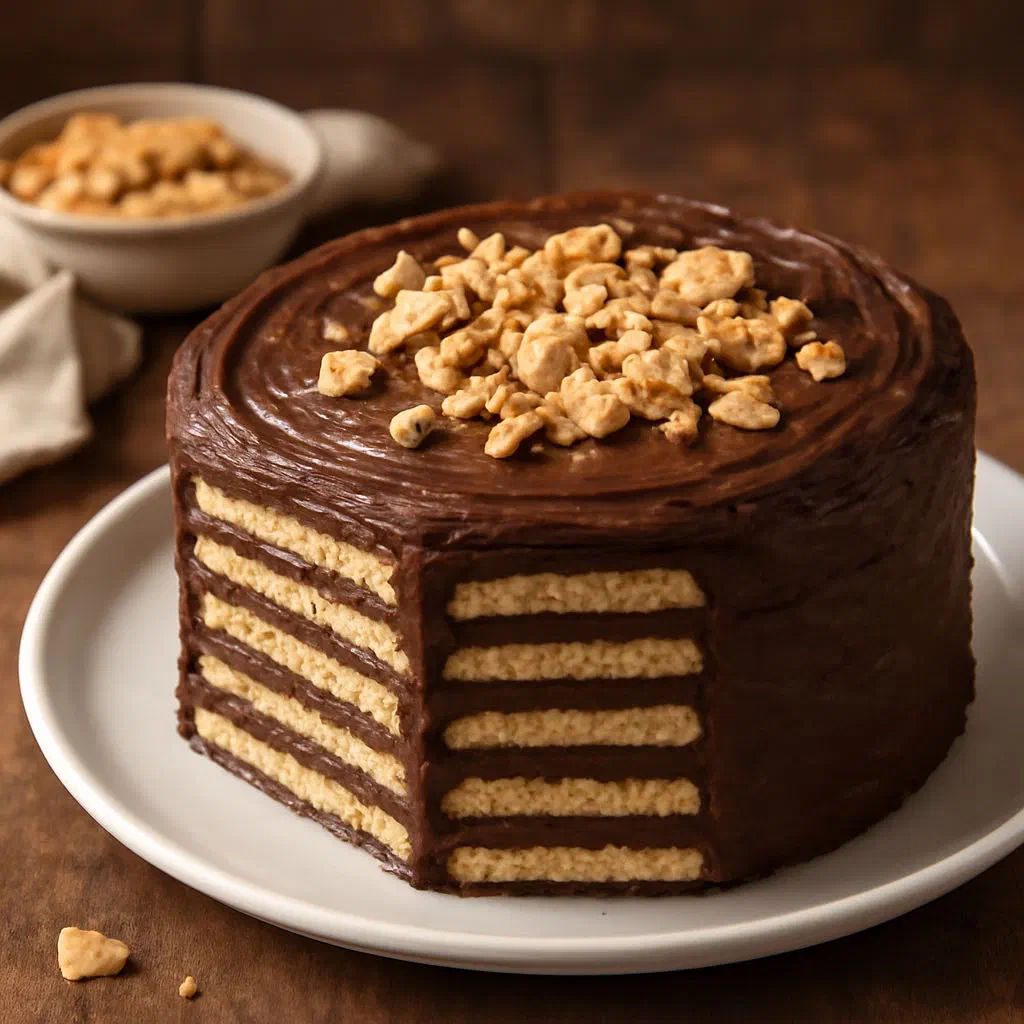
Meet Biscuit Cake, a wonderfully nostalgic no-bake dessert from the old East Germany that tastes of childhood in every bite. Layers of crisp butter biscuits are sandwiched together with a smooth vanilla pudding-and-butter cream and finished with a dusting of cocoa or grated chocolate. It asks for only a handful of store-cupboard ingredients, never goes near the oven, and turns into a firm, sliceable treat once it has had time to rest in the fridge. Few puddings are this easy, or this comforting.
About Biscuit Cake
Biscuit Cake is a very uncomplicated classic that gets by with very few ingredients yet still delivers that warm, homely flavour. The magic lies in the interplay between crisp butter biscuits, a creamy pudding-and-butter filling and an aromatic topping that, depending on the household, was made from cocoa, chocolate or biscuit crumbs. Because it needs no baking at all, it is ideal whenever you want a quick dessert for guests or simply want to keep the oven free. It is at its very best when given plenty of time to settle, as that is when the biscuits and cream meld into one harmonious, firm cake. This kind of thrifty, fuss-free treat sits comfortably alongside other sweet favourites of German cuisine.
Ingredients (serves 1–2)
- 120 g butter biscuits
- 250 ml milk
- 1 sachet vanilla custard powder (the cook-and-serve type)
- 35–50 g sugar (to taste)
- 80 g butter (softened)
- 1 tsp cocoa or 20 g grated chocolate, for dusting
- 1 pinch of salt (it rounds out the flavour)
- Optional: 1–2 tbsp coffee or milk, for briefly dipping the biscuits
Shopping for the ingredients
When you go shopping, it pays to pick a butter biscuit that is neither too thin nor too heavily sugared, so the cake stays sturdy once it has had time to set. For that signature flavour, a classic vanilla custard powder is ideal, as it binds the cream and brings in the familiar note. Choose a good-tasting butter, since it is decisive for the richness and mouthfeel and should not be salted. If you want to use cocoa, reach for baking cocoa, which has a stronger taste and makes the surface a little less sweet. If a similar pudding-based bake appeals, a Saxon Egg Custard Cake relies on the same comforting flavours.
Preparing the dish
Before you begin, the butter should be soft so it later stirs in without lumps and gives you a smooth cream. Have a small tin ready, a loaf tin or a small baking dish works well, and line it with baking paper if you like, so the cake is easier to lift out. Set out a bowl and a whisk too, as a whisk is especially good for stirring pudding until silky. If you plan to dip the biscuits briefly, prepare a shallow dish of milk or coffee so the layering goes quickly and smoothly.
Step-by-step instructions
- From the milk, custard powder, sugar and a pinch of salt, cook a thick pudding according to the packet instructions, stirring constantly so nothing catches.
- Let the pudding cool for 5–10 minutes, stirring now and then so a skin does not form (or press cling film straight onto the surface).
- Beat the softened butter in a bowl until creamy, then stir in the still slightly warm pudding a spoonful at a time until you have a smooth pudding-and-butter cream.
- Spread a thin layer of cream into the tin, then lay down a layer of butter biscuits (dip them briefly in milk or coffee first if you wish).
- Alternate layers of biscuit and cream until everything is used up, finishing with a layer of cream.
- Finally, dust with cocoa or grated chocolate and chill the cake for at least 4 hours, or better still overnight.
Gluten-free / lactose-free version
For a gluten-free version, simply swap the butter biscuits for gluten-free butter biscuits or gluten-free sandwich biscuits, which layer up just as nicely. Check that your custard powder is declared gluten-free, as some brands may contain traces. For a lactose-free version, use lactose-free milk and lactose-free butter; the result tastes remarkably close to the original. If you would like an especially firm set, it helps to chill the cake a little longer so the cream sets up properly.
Tips for vegans and vegetarians
Biscuit Cake is usually vegetarian anyway, but a few simple swaps make it thoroughly convincing as a vegan dessert too. Use a plant-based milk such as oat or soya drink, and make sure the biscuits are baked without dairy. Instead of butter, a plant-based margarine with a higher fat content works better than a soft light spread, which would otherwise leave the cream too loose. With the custard powder a quick glance at the ingredients list is usually enough, and for the topping vegan dark chocolate or cocoa does the job nicely.
More tips and tricks
To make the cream especially fine, the pudding and butter should be at a similar temperature, as butter that is too cold can leave little flecks. If you want an even deeper flavour, you can stir a touch of vanilla or a hint of rum essence into the cream, just as people sometimes did in years gone by. The cake slices best with a warm knife held briefly under hot water and then dried off. For a clean shape it also helps to leave the cake in the fridge for 10 minutes before serving, in case it has warmed slightly while being lifted out.
Adapting the recipe to your taste
The sweetness is easy to control: start the pudding with less sugar and taste it at the end, before you layer up the cream. If you fancy something more chocolatey, you can replace part of the vanilla pudding with chocolate pudding or stir a little cocoa powder into the cream. For a fruity note, thin slices of banana sit beautifully between the layers, though the cake is then best eaten the same or the next day. You can also play with the texture: more biscuits give a firmer, more cake-like structure, while more cream makes it especially soft and dessert-like.
Ingredient substitutions
If you have no butter biscuits to hand, sponge fingers or plain oat biscuits also work, though their absorbency differs, so adjust the dipping accordingly. In place of sugar, a small amount of condensed milk (or a plant-based alternative) can lend both sweetness and creaminess, capturing that GDR-era richness rather well. If you want to replace the butter, a mix of margarine and a little coconut oil boosts the firmness. For the topping, besides cocoa you can use biscuit crumbs or finely chopped nuts, as long as they suit the texture you are after. The same swap-as-you-go spirit runs through a Pumpernickel Cake.
Drink pairing ideas
Biscuit Cake goes well with drinks that balance the sweet, vanilla-rich cream, a strong coffee or an espresso, for example. A black tea or a slightly tart fruit tea also harmonises nicely, as it “clears the palate” between bites. For a cosy afternoon spread, cocoa is a fine choice, especially when the topping is chocolatey too, since the flavours then come together beautifully. If you fancy something more celebratory, a small glass of liqueur or an alcohol-free malt alternative can be offered without the dessert losing its down-to-earth character.
Serving and presentation ideas
The cake looks at its loveliest when you build it in even layers and smooth the surface neatly at the end. A fine sieve helps dust the cocoa evenly, creating a calm, classic finish. Served in small portions, you can decorate the slices with a few chocolate shavings or a dab of cream without overloading the traditional look. If you layer it in glasses instead, you get a quick dessert version that is especially practical, since it needs no slicing yet still looks impressively smart.
A bit of history
Biscuit cakes were popular in many households because they were made from store-cupboard ingredients and could be prepared without an oven. The combination of pudding and butter in particular reflects a fondness for filling, creamy desserts that suited family celebrations well. The recipe was also easy to adapt to whatever happened to be available, whether with a different flavour, a different topping or alternative biscuits. This everyday practicality is one reason the Biscuit Cake still has so many fans and often returns to the table as a nostalgic classic.
More recipe ideas
- Saxon Egg Custard Cake
- Halle Chocolate Balls
- Bavarian Cream
- Rice Pudding with Cinnamon
- Hamburg Red Berry Pudding
Summary: Biscuit Cake
Biscuit Cake is a simple, reliable dessert that comes together with very little effort and perfects itself during its chilling time. The keys are a smooth pudding-and-butter cream, even biscuit layers and enough patience for the biscuits to soften so that everything slices cleanly. With a few small tweaks it also turns out beautifully gluten-free, lactose-free or vegan, without losing its characteristic charm. If you are looking for an uncomplicated recipe that tastes of home and almost always wins guests over, this cake is a very safe bet.