National Dish Germany: Black and White Cookies (Recipe)
In this article
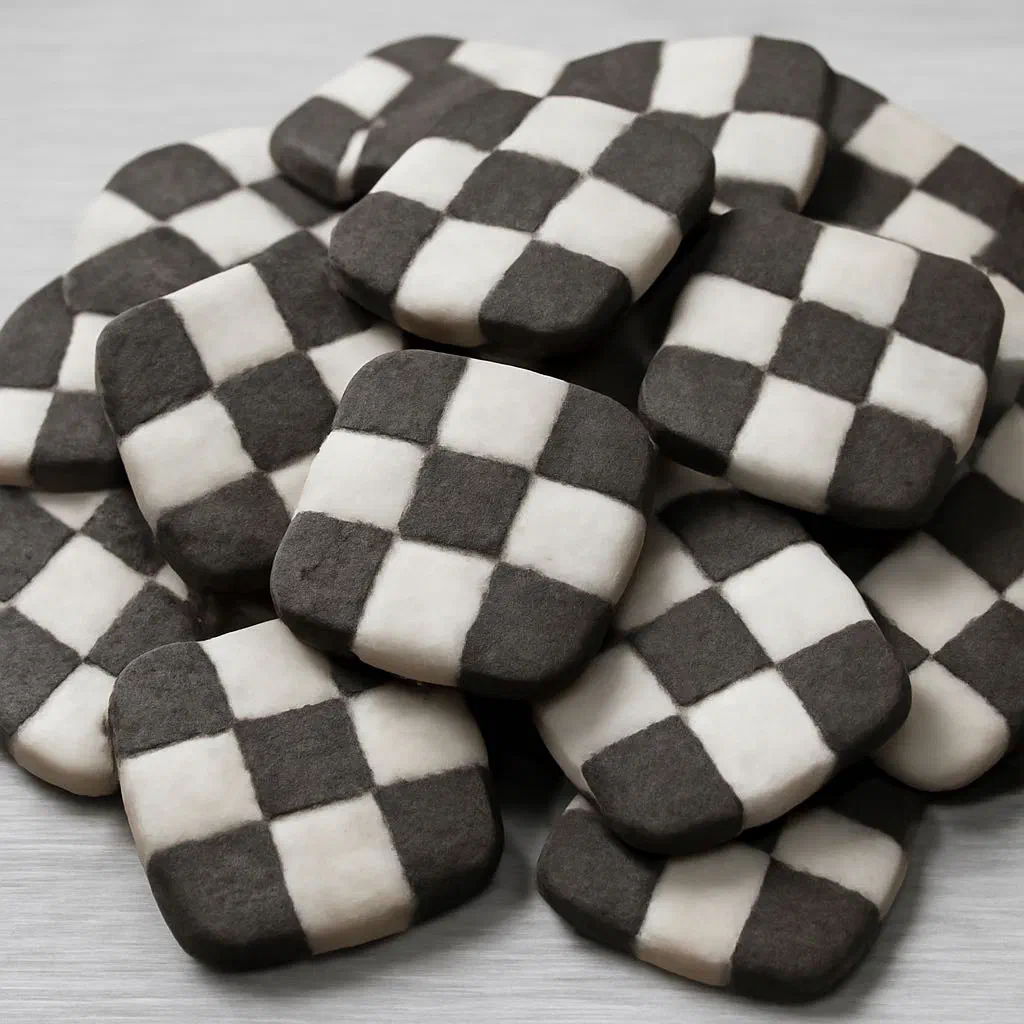
Meet Black and White Cookies, a charming East German classic that turns a handful of everyday store-cupboard ingredients into something quietly spectacular. The eye-catching swirl of pale vanilla dough against deep, dark cocoa dough makes these little biscuits look far fancier than they are to make. Buttery, tender and just sweet enough, they are a nostalgic treat that earns its place beside a strong cup of coffee. Best of all, even first-time bakers can pull them off with a genuine “wow” factor.
About Black and White Cookies
Black and White Cookies are a classic two-toned biscuit that catch the eye thanks to their striking contrast between pale vanilla dough and dark cocoa dough. They are typically made with simple ingredients most households already keep on hand, which makes them wonderfully practical for everyday baking. On the palate, buttery shortbread notes meet a pleasant cocoa edge, so the biscuits hold their own whether nibbled on their own or served with coffee or tea. Thanks to their clean looks and uncomplicated technique, this is also a recipe well suited to beginners who still want an impressive result.
Ingredients (serves 1–2)
For a small batch, ideal for a quick taste-test or a spontaneous coffee table, you only need a few basic ingredients. Use room-temperature butter so the dough comes together evenly and bakes up beautifully tender. The cocoa should ideally be unsweetened, keeping the chocolate note clear rather than cloying. If you like, a touch of vanilla or a pinch of salt rounds out the flavour nicely.
- 100 g plain flour (type 405 or 550)
- 60 g butter (room temperature)
- 40 g sugar
- 1 egg yolk (optional, for extra binding and colour)
- 1 tsp vanilla sugar or vanilla extract
- 1 pinch of salt
- 1–2 tsp cocoa powder (unsweetened)
- 1–2 tsp milk or water (only if the dough is too dry)
Shopping for the ingredients
When shopping, it pays to choose good-quality butter, as it shapes both the flavour and the texture of the shortbread in a decisive way. For the dark portion, baking cocoa is ideal: it colours strongly and stays aromatic without adding extra sweetness. Where possible, reach for fine caster sugar, which disperses more quickly into the butter and gives a more homogeneous dough. If you are using vanilla, real vanilla sugar or vanilla extract delivers a rounder aroma than strongly flavoured alternatives.
Preparing the dish
Before you start, take the butter out of the fridge in good time, because room-temperature butter is far easier to cream and binds the ingredients evenly. Line a baking tray with baking paper so the biscuits do not stick and lift off cleanly later. Have a small bowl ready, too, for tinting part of the dough with cocoa, which keeps the colour separation crisp. If you want particularly sharp patterns, a brief chill of the shaped dough roll before slicing is an important step.
Step-by-step instructions
The dough comes together best if you avoid over-kneading it, so it stays short and tender rather than tough. Make sure both halves of the dough have a similar consistency, so the light and dark portions shape up evenly. If the cocoa dough seems crumblier, a teaspoon of milk or water usually helps to bring it into line. When baking, it is important to take the biscuits out in good time so they stay pale and do not dry out.
- Cream the butter, sugar, vanilla and salt together in a bowl.
- Optionally work in the egg yolk until the mixture is smooth.
- Add the flour and mix only until a smooth dough forms.
- Halve the dough: one half stays pale, while you knead cocoa powder into the second.
- Shape both doughs into rolls of equal length, or press flat, then combine into a pattern (for example, lay them side by side and press together).
- Chill the combined dough roll for 20–30 minutes so it slices cleanly.
- Preheat the oven to 175 °C (top and bottom heat).
- Cut the roll into 5–7 mm slices and arrange them on the tray with a little space between each.
- Bake for about 8–12 minutes, until the edges are just firm but the biscuits still look pale.
- Let them cool briefly on the tray, then transfer to a wire rack to cool completely.
Gluten-free / lactose-free version
For a gluten-free version, swap the plain flour for a gluten-free flour blend made for shortbread, ideally one with a proportion of starch for that typical delicacy. Since gluten-free doughs crumble more easily, it helps to chill the dough well and work gently when shaping. The biscuits become lactose-free very easily if you use lactose-free butter or a suitable plant-based alternative intended for baking. With the plant-based option, make sure the fat content is high enough so the biscuits do not dry out and the shortbread character is preserved.
Tips for vegans and vegetarians
The recipe is easily vegetarian as it stands, and if you use the egg yolk it keeps the classic texture. For a vegan version, replace the butter with a plant-based margarine or a vegan butter product that is expressly bake-stable. You can leave out the egg yolk or balance it with 1–2 teaspoons of plant-based yoghurt or a small splash of plant milk so the binding stays right. Just be sure to chill the dough well after mixing, since vegan fats can soften more quickly and the pattern may otherwise blur.
More tips and tricks
If you want especially sharp edges in the pattern, first shape the doughs into rectangular logs, then press them neatly with a ruler or dough scraper. For a classic chequerboard pattern, cut both colours into strips and stack them alternately before pressing everything gently together. When baking, watch the colour and edge firmness rather than the clock, as every oven bakes a little differently. After cooling, the biscuits become sturdier and more flavourful, which is why they often taste even better the next day.
Adapting the recipe to your taste
If you prefer things less sweet, reduce the sugar slightly and lift the flavour instead with vanilla and a pinch of salt. For a more intense chocolate note, enrich the dark dough with a little more cocoa, or replace part of the flour with cocoa, as long as the consistency does not turn too dry. Spices such as cinnamon or a hint of cardamom also work well if you want to give the biscuits a wintry direction. If you like things nuttier, work in a small amount of finely ground almonds and reduce the flour a touch so the dough stays firm enough to shape.
Ingredient substitutions
Instead of regular sugar, you can use icing sugar, which gives a particularly fine dough that is easier to work with. If there is no butter in the house, a bake-stable margarine does the job, though the flavour turns out a little different and the shortness shifts slightly. Vanilla sugar can be replaced with vanilla extract or the seeds of a vanilla pod, which is especially aromatic in small quantities. For the dark portion, carob can be used in a pinch, although the flavour becomes milder and less chocolatey. Once you are comfortable shaping dough like this, you might enjoy moving on to traditional shaped sweets such as Frankfurt Marzipan Balls.
Drink pairing ideas
Traditionally, a strong coffee pairs especially well with black and white cookies, as the roasted notes complement the cocoa dough beautifully. If you prefer something milder, reach for black tea or a classic breakfast tea, which balances the sweetness. A cup of cocoa or a warm plant milk with cinnamon harmonises well too, particularly if you serve the biscuits as an afternoon snack. For special occasions, a dessert wine or an alcohol-free malt drink makes an intriguing, nostalgic accompaniment without overpowering the delicate shortbread.
Serving and presentation ideas
The biscuits look their best when the slices are evenly thick and the pattern stays clearly visible, so clean slicing with a sharp knife really pays off. Arrange them on a pale plate to bring out the black-and-white contrast more strongly, or use a wooden board for a rustic look. If you have guests, combine several pattern shapes, spirals and stripes, for example, to add variety to the plate. A small bowl of sugar or cocoa powder alongside completes the arrangement, with no need to decorate the biscuits themselves any further.
A bit of history
Black and white cookies are known in many regions, but East German home cooking made recipes like this especially popular, because they got by with few, readily available ingredients. Two-toned biscuits looked festive even though they are relatively simple to make, which made them appealing for family celebrations and coffee tables. The idea of splitting a basic dough and tinting one part with cocoa is also very efficient and frugal with ingredients, without sacrificing looks. It is precisely this blend of pragmatism and attractive presentation that explains why the biscuits are still gladly baked today, a hallmark of homely German cuisine. They sit comfortably alongside other beloved festive bakes like Dresden Christmas Stollen.
More recipe ideas
- Heidesand Shortbread
- Halle Chocolate Balls
- Silesian Streusel Cake
- Saxon Egg Custard Cake
- Thuringian Poppy Seed Cake
Summary: Black and White Cookies
Black and White Cookies combine simple shortbread with a decorative two-toned pattern and a flavour that balances between vanilla and cocoa. With a short chilling time, clean slicing and the right baking time, the biscuits come out reliably tender every time. Thanks to a few small tweaks, the recipe is easily made gluten-free, lactose-free or even vegan, all without losing its character. The result is an uncomplicated classic that looks just as good on a weekday plate as it does on the festive coffee table.