National Dish Germany: Boulette (Recipe)
In this article
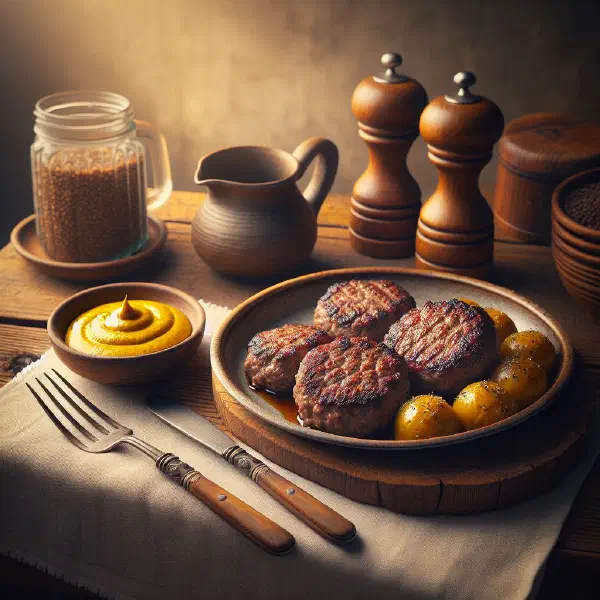
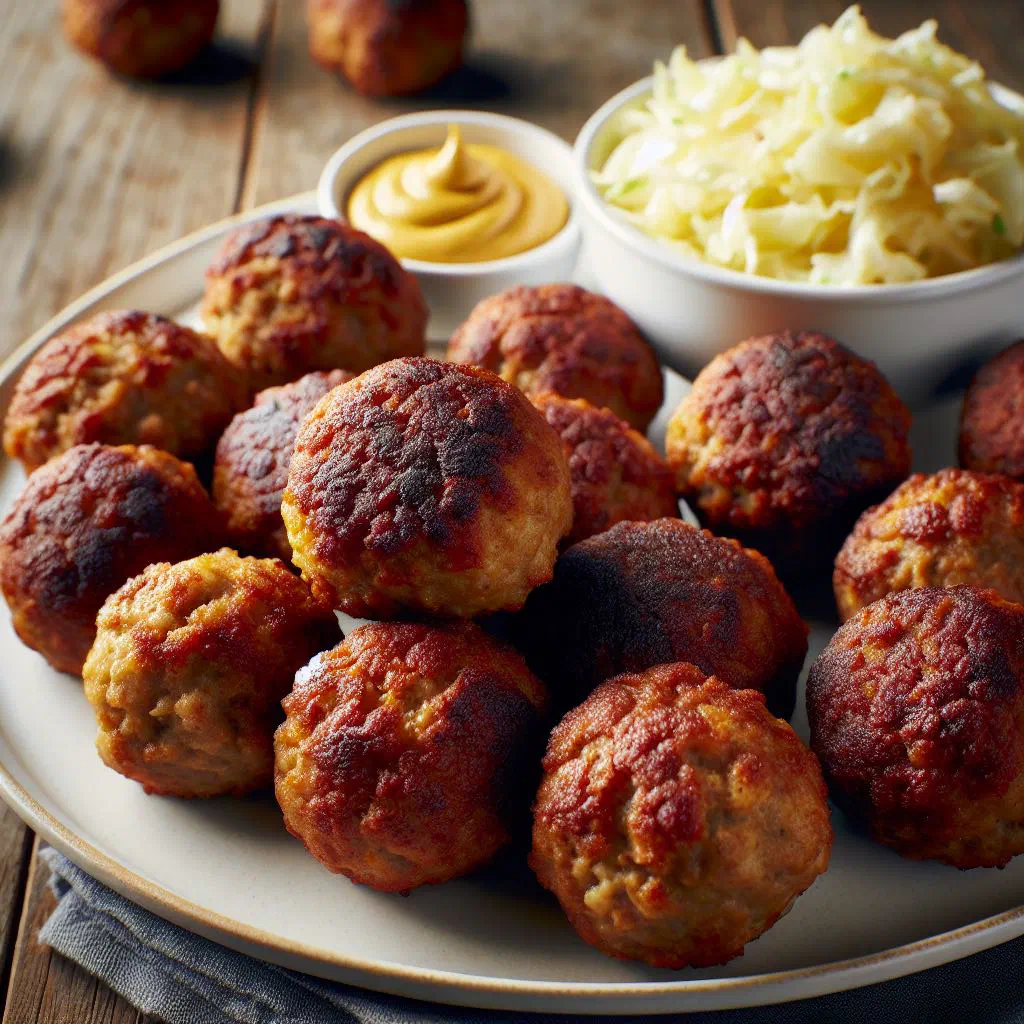
Say hello to the Boulette, Berlin’s answer to the humble meatball and one of Germany’s most comforting plates of home cooking. Juicy, well seasoned and pan-fried to a deep golden brown, this hearty patty of minced beef has fed Berliners for generations, from working-class kitchens to busy street-corner snack bars. With its soft crumb, gentle warmth of mustard and onion, and that very good crisp crust, the boulette is the kind of unfussy dish that tastes of pure tradition. Bring a little of the capital’s no-nonsense charm to your own table.
About Boulette
The Berlin boulette is a traditional German dish that is especially beloved in the capital, Berlin. A close cousin of the Frikadelle and the Bavarian Fleischpflanzerl, the boulette sets itself apart with its particular blend of seasonings and its tender, juicy texture. Historically it was working-class food, yet over time it has grown into a genuine national favourite. It suits any meal of the day and slots in just as happily on a festive menu as it does as a simple snack on the go.
Ingredients (serves 1–2)
- 250g minced beef
- 1 small bread roll
- 1 onion
- 1 egg
- Salt and pepper
- Mustard
- Paprika (sweet)
- Oil, for frying
Shopping for the ingredients
When shopping for the ingredients for a Berlin boulette, it pays to keep an eye on quality. The minced beef should be fresh and well sourced to guarantee the best flavour. Look out for a soft bread roll that will soak up milk or water easily, as this is the secret to a tender crumb. Fresh onions and good seasonings are just as essential for bringing out the full aroma of this dish, which sits proudly within hearty German cuisine.
Preparing the dish
Soak the bread roll in a splash of water or milk until it turns soft. Finely chop the onion and have the minced beef ready to go. Measure out all of your seasonings and the remaining ingredients in advance, so everything is within easy reach when you begin to mix.
Step-by-step instructions
- Squeeze the soaked bread roll firmly to remove excess liquid, then drop it into a large bowl.
- Add the minced beef, chopped onion, egg and seasonings.
- Mix everything thoroughly by hand until you have a smooth, even mixture.
- Shape the mixture into small patties and set them out on a plate.
- Heat the oil in a frying pan and fry the bouletten until golden brown on both sides.
Gluten-free / lactose-free version
The boulette is easy to make gluten-free. Simply swap the bread roll for gluten-free bread or gluten-free breadcrumbs, and double-check that all your other seasonings and ingredients are gluten-free too. For a lactose-free version, just replace any milk with lactose-free milk or plain water. These small adjustments barely change the taste and the result is every bit as delicious.
Tips for vegans and vegetarians
There are tasty alternatives to the classic Berlin boulette for vegans and vegetarians alike. For a vegan version, use plant-based mince and swap the egg for a flax or chia egg. The soaked bread roll can be replaced with a vegan roll or a handful of oats to bind the mixture. This way you keep that signature boulette flavour without using any animal products at all.
More tips and tricks
To give your boulette a little something extra, try working in a few well-chosen spices. A pinch of nutmeg or caraway, for instance, can add wonderful depth. Take care not to fry the patties for too long, so they stay juicy in the middle. Fresh herbs such as parsley also work beautifully and lend an extra layer of aroma.
Adapting the recipe to your taste
The Berlin boulette adapts brilliantly to personal preference. Like things on the spicy side? Add a touch more paprika or a little chilli. Prefer something milder? Ease back on the pepper and mustard. You can also play with different meats, using pork or a classic mix of beef and pork, much like the hearty patties in Meatballs in Tomato Sauce.
Ingredient substitutions
There are plenty of substitutions for the classic boulette ingredients. In place of minced beef you could use turkey or chicken mince for something lighter. The bread roll can be swapped for cooked potatoes or rice if you prefer a lower-carb version. For an extra nutty note, a handful of chopped mixed nuts can even be worked into the mixture, a trick that also suits crisp specialities like Eifel Potato Pancakes.
Drink pairing ideas
The boulette partners well with a wide range of drinks that complement its savoury character. A robust beer is a superb match for the patty’s well-seasoned flavour. A dry white wine or a tannic red make excellent companions too. For those who would rather skip the alcohol, water with a slice of lemon or a refreshing apple-juice spritzer fits the bill nicely.
Serving and presentation ideas
A thoughtful presentation makes the boulette even more appetising. Serve the patties on a handsome plate and garnish them with fresh herbs such as parsley or chives. Dipping sauces like mustard or tzatziki round off the picture perfectly. A small salad of rocket and tomatoes makes for a colourful, fresh side, and a tangy spoonful of Apple Red Cabbage brings a classic German touch.
A bit of history
The story of the Berlin boulette reaches all the way back to the 17th century. Originally known as poor man’s food, the boulette quickly became a favourite in Berlin’s eateries. It enjoyed a real surge in popularity during the 1920s, by which point it had earned its place as a national dish. Today the boulette is a symbol of Hausmannskost, wholesome home cooking, and cosy comfort, cherished not only in Berlin but right across Germany.
More recipe ideas
Summary: Boulette
The Berlin boulette is a versatile, delicious dish that bends easily to suit your own tastes. Whether traditional, gluten-free, lactose-free or vegan, the boulette always delivers. With the right ingredients and a few small tricks, you can recreate this national favourite at home with no trouble at all. Let it inspire you, and savour this proud piece of German food culture.