National Dish Germany: Braided Sweet Bread (Recipe)
In this article
Discover the joy of baking a heavenly light Braided Sweet Bread, a beloved classic of German home baking. Tender, fluffy and laced with that unmistakable buttery-sweet aroma, this plaited loaf is pure pleasure for any occasion. Traditionally baked at Easter and other festive moments, it turns an ordinary breakfast or afternoon coffee into something special. With a little patience and a handful of everyday ingredients, you can bring this golden, gently sweet bake straight to your own kitchen table.
About Braided Sweet Bread
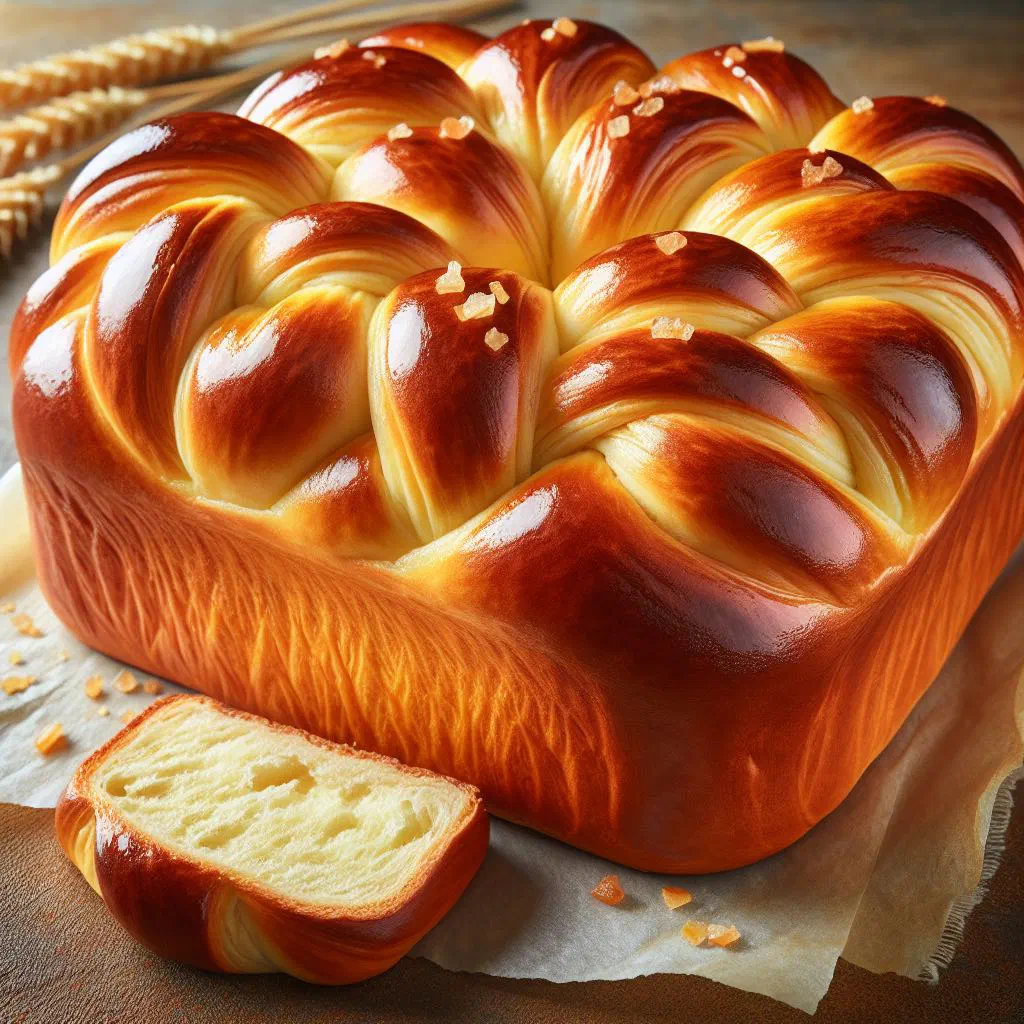
Braided Sweet Bread is a popular, traditional German bake that is especially welcome at Easter and other festive occasions. It is a plaited, gently sweet yeast dough that is often enjoyed at breakfast or as an afternoon treat alongside coffee or tea. The soft, slightly springy crumb and the glossy, golden crust make it as pleasing to look at as it is to eat. Simple in its ingredients yet generous in its results, this loaf is a true cornerstone of German baking and a familiar sight on the table during the spring holidays.
Ingredients (serves 1–2)
- 250g plain flour
- 1/2 cube fresh yeast (or 1 sachet dried yeast)
- 50g sugar
- 125ml milk
- 50g butter
- 1 egg
- 1 pinch of salt
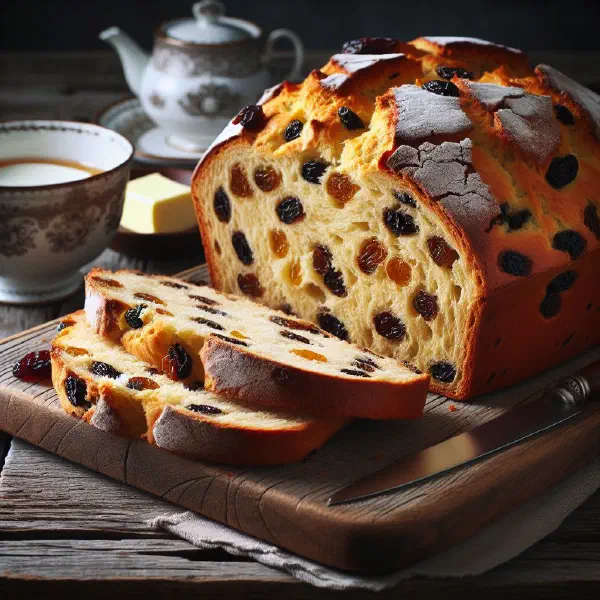
- Optional: raisins, pearl sugar
Shopping for the ingredients
All of the ingredients listed can be found in any well-stocked supermarket. Fresh yeast is usually kept in the chilled section near the dairy products, while dried yeast sits with the baking supplies. When choosing your butter and milk, opt for good quality, as these have a real influence on the final flavour of the bread. If you like, pick up a small bag of pearl sugar too, which gives the finished loaf its characteristic crunchy, decorative topping.
Preparing the dish
Before you begin, make sure all of your ingredients are at room temperature. This makes the dough far easier to work with and helps the yeast dough rise reliably. Take the butter and egg out of the fridge in good time, and have your tins, baking paper and a clean work surface ready.
Step-by-step instructions
- Gently warm the milk and dissolve the yeast in it.
- Put the flour, sugar and salt into a bowl and mix together.
- Add the yeast milk, the soft butter and the egg. Knead everything into a smooth dough.
- Leave the dough to rise in a warm place for about 1 hour, until it has doubled in size.
- Divide the dough into three equal pieces and roll each into a long strand.
- Plait the strands into a braid and place it on a baking tray lined with baking paper.
- Leave the braid to rise again for a further 20–30 minutes.
- Brush the braid with beaten egg and scatter over pearl sugar to taste.
- Bake in a preheated oven at 180°C (conventional heat) for about 25–30 minutes, until golden brown.
Gluten-free / lactose-free version
With a few swaps, Braided Sweet Bread can be made gluten-free and lactose-free. Use a good gluten-free flour blend designed for yeast baking so the dough still rises and holds its shape, much as you would for a Buckwheat Pancakes batter. For a lactose-free loaf, replace the butter with a plant-based margarine and the cow’s milk with a lactose-free or plant-based alternative. That way everyone at the table can enjoy a slice without worrying about the ingredients.
Tips for vegans and vegetarians
For a vegan version, swap the milk for a plant-based milk such as almond or oat milk, and replace the butter with margarine. Instead of egg in the dough, a splash of plant-based milk or water works well, and the same can be used to glaze the braid before baking for a soft sheen. Take care to check that any optional extras, such as pearl sugar, are free from animal products. With these simple changes, the loaf remains every bit as tender and satisfying.
More tips and tricks
Make sure to knead the dough thoroughly so that it becomes lovely and supple. If the dough feels too sticky, work in a little extra flour a spoonful at a time. Above all, give the dough plenty of time to prove in a warm, draught-free spot, as this is the secret to a light, airy crumb. A second, shorter rise after plaiting helps the braid keep its definition once it goes into the oven.
Adapting the recipe to your taste
You can refine your Braided Sweet Bread entirely to suit your own preferences. Add raisins or other dried fruit for a fruity note, or fold in chopped nuts or chocolate chips for a richer treat. A little grated lemon zest or a pinch of vanilla brings extra fragrance, while a dusting of cinnamon sugar through the dough gives a cosy, spiced finish. The plain dough is a wonderful blank canvas for whatever flavours you fancy.
Ingredient substitutions
If you would rather not use refined sugar, you can replace it with alternative sweeteners such as honey or maple syrup, adjusting the liquid slightly to keep the dough balanced. In place of cow’s milk, any plant-based milk works well, with almond or oat milk being particularly good choices. These easy substitutions let you tailor the recipe to what you have to hand or to your dietary needs, just as you might when baking a Silesian Streusel Cake.
Drink pairing ideas
Braided Sweet Bread tastes wonderful with a cup of coffee or tea, the gentle sweetness of the loaf balancing a robust brew beautifully. Hot chocolate or a simple glass of milk also make comforting partners, especially for younger eaters. For a special breakfast treat, try a slice with a glass of freshly squeezed orange juice, whose bright, zesty notes cut nicely through the buttery crumb.
Serving and presentation ideas
Serve your Braided Sweet Bread on a pretty platter and dust it with a little icing sugar just before bringing it to the table. Decorating the spread with spring flowers or Easter touches creates a wonderfully festive atmosphere, in keeping with this bake’s place in German cuisine. Slice the loaf at the table so guests can admire the plaited shape, and offer butter, jam or honey alongside for those who like to add a little extra.
A bit of history
Braided Sweet Bread has a long tradition in German baking and is especially associated with Easter celebrations. The recipe originally has its roots in the kitchens of southern Germany and Austria, where plaited yeast breads have long been part of the festive table. In many cultures the braid itself is seen as a symbol of togetherness and community, which is part of why this loaf so often appears at family gatherings. Much like a Butter Stollen, it carries the warmth of seasonal celebration in every slice.
More recipe ideas
- Silesian Streusel Cake
- Butter Stollen
- Frankfurt Marzipan Balls
- Rice Pudding with Cinnamon
- Heidesand Shortbread
Summary: Braided Sweet Bread
The simple Braided Sweet Bread is a versatile, traditional bake that is perfect for festive occasions. With just a few ingredients and a little patience, you can conjure up a delicious yeast bread that appeals to in both its classic and its vegan form. Soft, golden and gently sweet, it brings a touch of celebration to any table, whether at Easter, a leisurely weekend breakfast or an afternoon with coffee. Give it a try and adapt the recipe to your own taste, your kitchen will smell wonderful and your guests will be asking for seconds.