National Dish Germany: Braised Cabbage (Recipe)
In this article
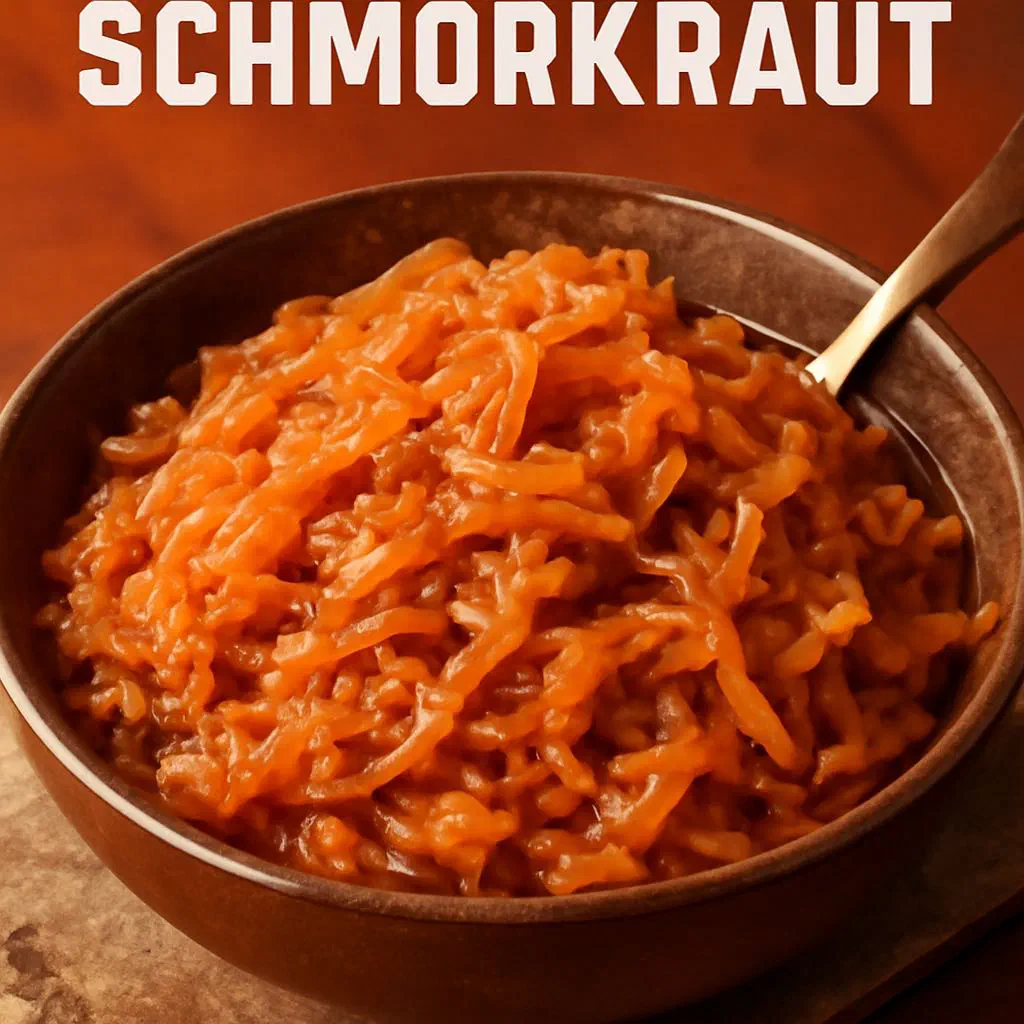
Few dishes capture the spirit of honest, no-fuss home cooking quite like Braised Cabbage. This old East German favourite turns a humble head of white cabbage into something deeply warming, balancing gentle sweetness against a lively splash of vinegar. Slow-cooked until meltingly tender, it tastes of proper, unhurried home cooking yet asks for only a handful of store-cupboard ingredients. Serve it as a hearty main or as a generous side to potatoes, sausage or a roast.
About Braised Cabbage
Braised Cabbage is one of those dishes that delivers a particularly hearty, comforting result from very few ingredients. Its characteristic flavour comes from slowly braising white cabbage with onions and a well-judged balance of acidity and seasoning. Many know it as a down-to-earth meal that is easy to cook on an ordinary day yet still tastes like “proper food”. Precisely because it is so uncomplicated, braised cabbage works beautifully both as a main dish and as a side to potatoes, bratwurst or a Sunday roast.
Ingredients (serves 1–2)
For a successful braised cabbage, what matters most is fresh, good-quality cabbage, enough time for braising and a harmonious sweet-and-sour balance. The list below is deliberately compact so you can put the dish together on the spur of the moment. If you like it more robust, you can fine-tune later with caraway or mustard. With the basics such as vinegar and sugar, aim for a good balance so the cabbage turns out neither too sour nor too sweet.
- 500–600 g white cabbage (or pointed cabbage for a milder version)
- 1 onion
- 1–2 tablespoons oil or lard
- 1 tablespoon sugar (to taste)
- 2–3 tablespoons vinegar (such as cider or white wine vinegar)
- 150–200 ml stock (vegetable or meat)
- 1 bay leaf
- Salt and pepper
- optional: caraway seeds, mustard, a small piece of bacon or diced smoked pork
Shopping for the ingredients
When shopping, it pays to look out for a firm, heavy head of white cabbage, as this tends to be especially juicy and aromatic. The outer leaves may look a little tougher, but the important thing is that the cabbage has no mushy patches and smells fresh. Cider vinegar is a good choice if you prefer a rounded, mild acidity, while white wine vinegar gives a more direct edge. If you want to use bacon, pick a variety with good flavour, as it will noticeably shape the overall taste. These same hearty store-cupboard basics turn up across German cuisine, from stews to braises.
Preparing the dish
Before you start cooking, remove the outer cabbage leaves and slice the cabbage into fine strips so it softens evenly during braising. A consistent cut size matters, otherwise some pieces will collapse while others stay firm to the bite. The onion is finely diced, as it will later provide the underlying sweetness and a rounded aromatic base. If you plan to use caraway, rub it briefly between your fingers so its essential oils are released more strongly.
Step-by-step instructions
The key to braised cabbage is slow cooking, so the structure of the cabbage relaxes and the flavours have time to come together. If you turn the heat up too high, the liquid evaporates too quickly and the cabbage can catch on the bottom of the pan. Allow yourself a little time and stir now and again so everything braises evenly. Always taste at the end, as cabbage can vary in sweetness depending on the season.
- Heat the oil or lard in a pan and gently sweat the onion until translucent.
- Optionally fry the bacon or smoked pork briefly to build up roasted flavours.
- Add the sliced white cabbage and sweat for 3–5 minutes, stirring.
- Scatter in the sugar and let it caramelise briefly without turning bitter.
- Deglaze with vinegar, then pour in the stock and add the bay leaf.
- Season with salt and pepper, cover and braise over low heat for 25–40 minutes.
- Stir occasionally and top up with a little stock if needed.
- Taste at the end: more acidity (vinegar), more sweetness (sugar) or more seasoning (pepper/caraway).
Gluten-free / lactose-free version
Braised cabbage is naturally often already gluten-free, as long as you avoid thickeners or seasoned ready-made products. With stock or bouillon, check that it is expressly free from gluten-containing additives, as wheat ingredients sometimes hide here. The dish also turns out lactose-free without any trouble, since classic versions usually contain no dairy. If you later serve the cabbage with mashed potato, you can simply use lactose-free milk or a plant-based drink there.
Tips for vegans and vegetarians
For a vegetarian version, use vegetable stock throughout and leave out the bacon or smoked pork, without the dish losing any of its character. It becomes vegan when you use a neutral oil instead of lard and choose animal-free stock and seasoning blends. To keep that savoury depth, smoked paprika or a small amount of soy sauce (gluten-free if needed) adds welcome umami. Fried mushrooms as a topping also bring roasted flavours and make the braised cabbage more filling, a trick that works just as well for a Potato and Savoy Cabbage Stew.
More tips and tricks
If you want the cabbage to be especially aromatic, don’t add all the vinegar at the start; split it instead, with one part for deglazing and a small part stirred in just before serving. That keeps the acidity lively and stops it tasting cooked-out. Caraway can improve digestibility, particularly if you find cabbage hard to tolerate, and it suits the basic idea very well. Leftovers often taste even better the next day, as the flavours settle in, and they reheat easily.
Adapting the recipe to your taste
If you prefer it mild, cut back on the vinegar and rely instead on more onion and a pinch of sugar for a rounded sweetness. For a heartier version, add slices of sausage, smoked pork or smoked tofu to turn the braised cabbage into a complete one-pan meal. If you like it juicier, increase the amount of stock slightly and braise over low heat a little longer so nothing tastes watery. You can also control the texture: braised for a shorter time the cabbage stays firmer to the bite, while longer braising makes it softer and more uniform.
Ingredient substitutions
If white cabbage is unavailable, pointed cabbage also works very well and usually softens a little faster, shortening the cooking time. Instead of vinegar, you can use apple juice or a splash of sauerkraut brine for a milder acidity, giving the dish a different but fitting direction. Sugar can be replaced with honey (not vegan) or a small amount of syrup, though you should dose it carefully. With the stock, you can achieve more depth using bone broth, or create a clear, vegetarian base with a robust vegetable stock, much like the one behind a good Green Bean Stew.
Drink pairing ideas
Braised cabbage goes well with drinks that pleasantly offset its acidity and seasoning, for example a lightly sparkling mineral water or an apple spritzer. If you fancy something warming, a black tea or a mild herbal tea harmonises well, as it doesn’t overpower the cabbage aroma. For many, a light beer is a classic accompaniment, since its gentle bitterness plays nicely against the sweetness of the cabbage. A dry white wine can also suit, as long as it isn’t too fruity and doesn’t amplify the vinegar note.
Serving and presentation ideas
Braised cabbage looks especially appetising served in a shallow dish and finished with freshly ground pepper and finely chopped herbs. A dab of mustard at the edge or a few slices of pickled gherkin can add a lovely contrast in both look and flavour. If you serve it as a side, place the cabbage next to potatoes or bread so the colours and textures stay clearly separated. For a rustic impression, a cast-iron pan or a small braising pot brought straight to the table works wonderfully.
A bit of history
Cabbage dishes have a long tradition in Germany, because white cabbage is inexpensive, keeps well and is endlessly versatile. For decades, braising was a popular way to turn simple ingredients into a filling everyday meal that satisfies even with little meat or none at all. The combination of sweetness and acidity is typical of many regional cabbage preparations and keeps the flavour from feeling one-dimensional. In winter especially, when fresh choice was more limited, dishes like this were an important part of the kitchen routine and were often handed down and gently adapted from one family to the next.
More recipe ideas
Summary: Braised Cabbage
Braised Cabbage is an uncomplicated, aromatic dish that wins you over with white cabbage, onions and a finely tuned balance of sweet and sour. Through slow braising the cabbage becomes tender and develops a pleasant depth, without needing many ingredients. With small adjustments it turns out effortlessly gluten-free, lactose-free, as well as vegetarian or vegan, depending on the base you choose. Take care when tasting and give the pot enough time, and you’ll get a result that works reliably both as a main course and as a side.