National Dish Germany: Buckwheat Pancakes (Recipe)
In this article
Say hello to Buckwheat Pancakes, the rustic German pancakes that turn a handful of humble ingredients into something genuinely special. With their nutty flavour and lovely crisp edges, these savoury pancakes are wonderfully flexible, pile them high with toppings or serve them simply alongside a hearty main. They suit just about every diet too, whether you cook them vegan, vegetarian, gluten-free or lactose-free, which makes them a reliable favourite for relaxed family meals and casual entertaining alike.
About Buckwheat Pancakes
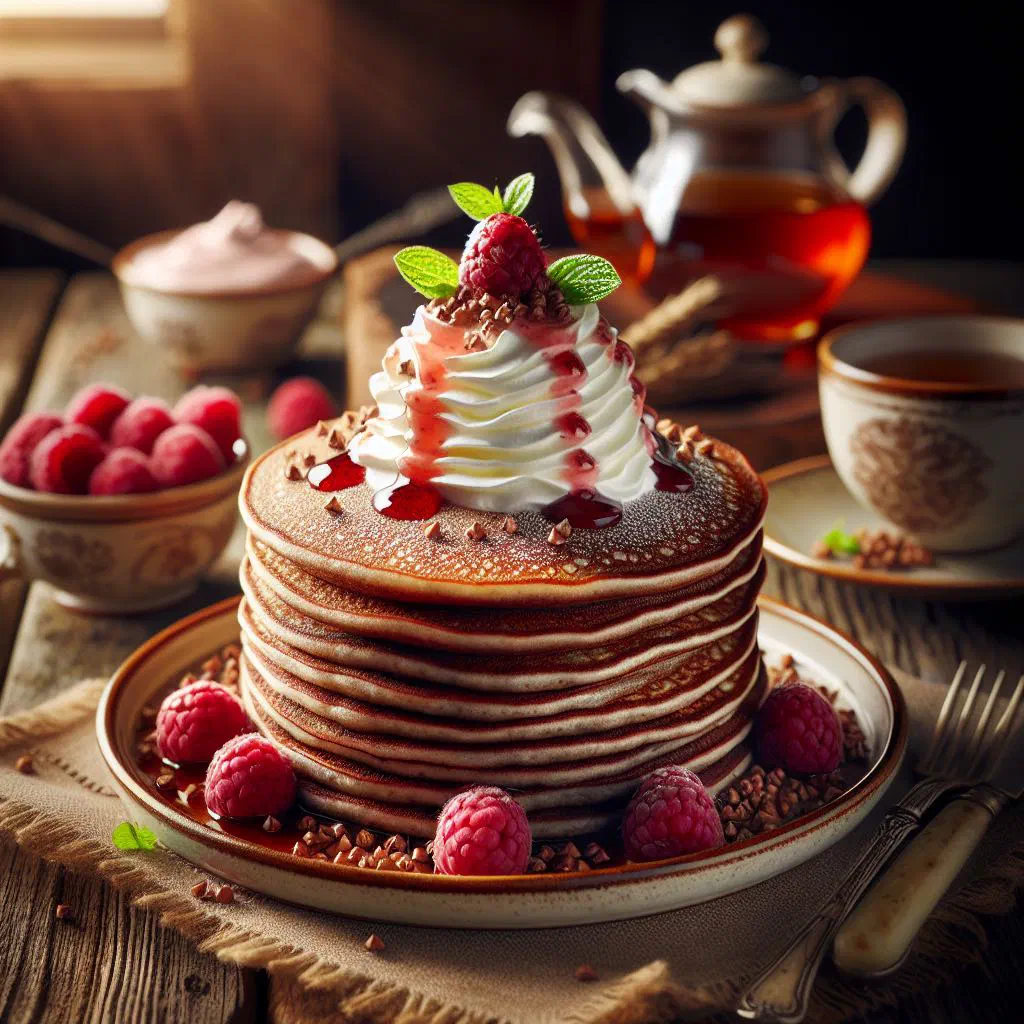
Buckwheat Pancakes are a traditional dish of German cooking, prized for their nutty flavour and pleasingly crisp texture. These savoury pancakes, sometimes called blinis, are remarkably versatile and can be served either as a side or as a main course. They are a perfect canvas for experimenting with all manner of fillings and toppings, so there is something to please every palate. Combinations with fresh herbs, vegetables or savoury sauces are especially popular.
Ingredients (serves 1–2)
- 100 g buckwheat flour
- 300 ml water or milk (plant-based for vegans)
- 1 pinch of salt
- 2 eggs (leave out for a vegan version)
- Oil for frying
- Fresh herbs (such as chives or parsley)
Shopping for the ingredients
When shopping for the ingredients for buckwheat pancakes, it is worth seeking out good-quality buckwheat flour. You will find it in most supermarkets and health-food shops. For a gluten-free version, buckwheat is ideal, as it is naturally free from gluten despite its name. You can also pick up fresh herbs in the produce aisle to lift the flavour of your pancakes.
Preparing the dish
Preparing buckwheat pancakes could hardly be simpler. Start by combining the buckwheat flour with salt in a bowl. Add the water or milk a little at a time, stirring well until you have a smooth, lump-free batter. If you are using eggs, beat them in a separate bowl and fold them through the batter to give it a better, more tender consistency.
Step-by-step instructions
- Heat a little oil in a frying pan over medium heat.
- Pour a ladleful of batter into the pan and let it spread out evenly.
- Cook the pancake for about 3–4 minutes on one side, until golden brown.
- Flip it carefully and cook the other side until golden brown as well.
- Repeat with the remaining batter and keep the finished pancakes warm.
Gluten-free / lactose-free version
A gluten-free version is effortless here, since buckwheat flour is naturally free from gluten. For a lactose-free version, simply use a plant-based milk such as almond or oat milk in place of cow’s milk. Take care to choose lactose-free options for any other ingredients too. That way, those with particular dietary needs can enjoy these delicious pancakes just as much as everyone else.
Tips for vegans and vegetarians
For vegans, it is easy to leave out the eggs or swap them for plant-based alternatives such as flaxseed or chia seeds soaked in water. There is plenty of scope when it comes to fillings and toppings as well. Think fresh vegetables, avocado or vegan spreads. Vegetarians might add cheese or yoghurt for an extra layer of flavour. Everyone is welcome at the table.
More tips and tricks
A few simple tricks will help you turn out perfect buckwheat pancakes. If the batter seems too thick, just stir in a splash more liquid. A properly hot pan is essential for getting that crisp finish. Be patient when it comes to flipping, wait until little bubbles form on the surface. For an extra note of flavour, try adding spices such as paprika or pepper to the batter.
Adapting the recipe to your taste
The joy of buckwheat pancakes lies in their versatility. Tailor the recipe to your personal taste with the greatest of ease. Add different spices or aromatics to give the batter a character of its own. The choice of filling can vary too, whether that is fried mushrooms, a little cheese or a fruity salsa. This keeps the dish exciting and entirely your own.
Ingredient substitutions
If you do not have every ingredient to hand, there are easy substitutions to fall back on. Instead of buckwheat flour you could use another flour, such as spelt or oat flour, although this means the dish will no longer be gluten-free. For the liquid, you can stick to water rather than milk to keep the calories down, the same thrifty spirit that runs through dishes like Dripping Bread with Onions. Experiment with different combinations until you find your perfect recipe.
Drink pairing ideas
The right drink can lift the whole experience. Freshly pressed juices make a refreshing match for buckwheat pancakes, while a light white wine or apple wine harmonises beautifully with their savoury notes. If you prefer something alcohol-free, you cannot go far wrong with sparkling mineral water and a slice of lemon.
Serving and presentation ideas
The presentation of your buckwheat pancakes can make all the difference. Serve the pancakes on a handsome, generous platter and garnish with fresh herbs or a dollop of yoghurt. Little bowls of different dips and sauces invite your guests to experiment for themselves. An attractive spread not only whets the appetite but turns the meal into a real occasion.
A bit of history
Buckwheat pancakes have a long tradition in Germany and are especially common in rural cooking. They were originally prepared as a simple, nourishing meal for farming families. Their popularity has endured down the centuries, and today they are a firm part of German food culture and a comforting example of German cuisine. Preparations and variations differ markedly from region to region, which only adds to their appeal, much as you see with the regional pride of dishes like Westphalian Pickert.
More recipe ideas
- Potato Pancakes with Apple Sauce
- Eifel Potato Fritters
- Chemnitz Bambes
- Herb Spätzle
- Eggs in Mustard Sauce
Summary: Buckwheat Pancakes
In short, buckwheat pancakes are a tasty and versatile dish that suits all sorts of occasions. Their simple preparation and the freedom to vary them however you please make them a much-loved favourite in German cooking. Try out different fillings and present the dish attractively to impress your guests. Bring this little taste of home to your table and savour the flavours of Germany.