National Dish Germany: Christmas Goose (Recipe)
In this article
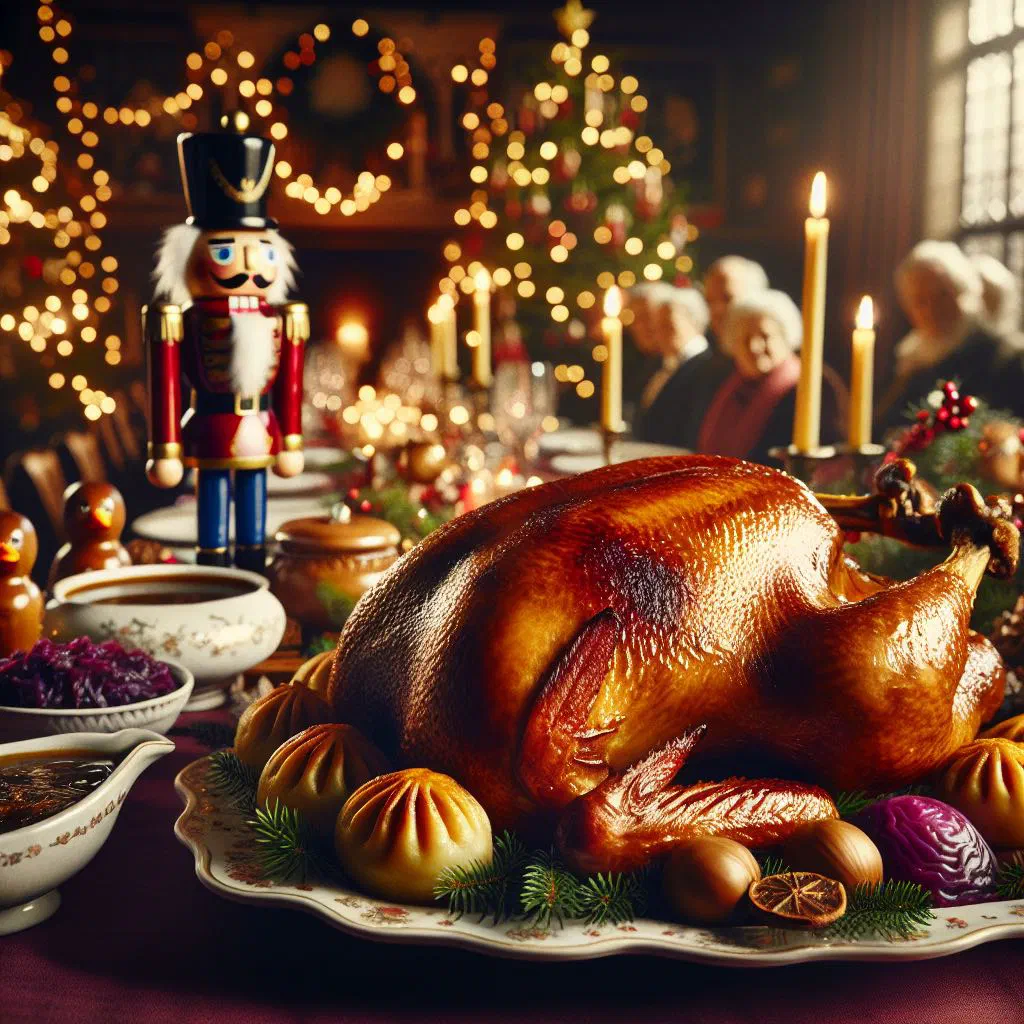
There is no more iconic centrepiece for a German Christmas table than the Christmas goose. Golden, crisp-skinned and gently scented with marjoram, this magnificent festive roast turns the holidays into a true feast. Stuffed with a fragrant mixture of apples, plums and onions, it carries centuries of tradition in every slice. Master this classic and you will give your guests a meal they will remember long after the candles have burned down.
About Christmas Goose
The Christmas goose is a firm fixture of German Christmas tradition. This classic festive dish has a long history and stands for harmony and indulgence at the most wonderful time of the year. The goose is typically prepared and served with a delicious stuffing that makes the holiday feast especially flavoursome. Rich, generous and deeply satisfying, it is the kind of roast that brings the whole family together around one table, a proud highlight of German cuisine.
Ingredients (serves 1–2)
- 1 goose (approx. 4 kg)
- 250 g apples
- 250 g plums
- 200 g onions
- 2 tablespoons marjoram
- Salt and pepper
- 500 ml goose stock
Shopping for the ingredients
When shopping for the ingredients, it is well worth seeking out fresh, high-quality produce. Choose a fresh goose from a trusted butcher or a reliable local source, as the quality of the bird makes all the difference to the finished roast. Fresh fruit and vegetables such as apples and onions give the dish its unmistakable flavour, so pick firm, ripe specimens wherever you can.
Preparing the dish
Begin by washing the goose thoroughly inside and out, then pat it completely dry. Cut the apples and plums into small pieces and combine them with the finely chopped onions and the marjoram. This mixture is then carefully spooned into the cavity of the goose. A little patience at this stage ensures the stuffing stays in place and perfumes the meat beautifully as it roasts.
Step-by-step instructions
- Preheat the oven to 180°C.
- Rub the goose all over with salt and pepper.
- Place the stuffed goose in a roasting tin and add 125 ml water.
- Roast the goose for about 3½ hours, basting it occasionally with its own fat.
- Add goose stock as needed and brown for the final 30 minutes at 220°C.
Gluten-free / lactose-free version
This traditional Christmas goose is naturally gluten-free and lactose-free, as long as no gluten- or lactose-containing ingredients are used in the seasoning or the stuffing. Take care that all the spices and the goose stock are likewise free from these substances, checking shop-bought stock in particular.
Tips for vegans and vegetarians
For vegans and vegetarians, a hearty nut roast makes a wonderful alternative that keeps the same festive spirit. Use a mix of nuts, mushrooms and lentils to create a savoury, satisfying stuffing with real depth of flavour. Fillings built around quinoa and mixed vegetables are equally lovely, and a plant-based main like the Wild Garlic Pesto with Pasta makes an easy meat-free addition to the holiday spread.
More tips and tricks
One particular secret to a crisp-skinned goose is to prick the skin gently before roasting. This lets the fat render and escape, leaving the skin wonderfully crackling. A basting syringe or spoon is invaluable here. Use it to spoon the rendered fat regularly over the bird so the skin browns evenly. Resist the urge to rush the roast; a steady oven does the work for you.
Adapting the recipe to your taste
Depending on your personal taste, the stuffing can easily be adjusted. Try using a mixture of chestnuts and potatoes instead of apples and plums, for instance, for a heartier, more autumnal filling. A little ginger or cinnamon added to the mix lends the stuffing an especially festive, aromatic note that suits the season perfectly.
Ingredient substitutions
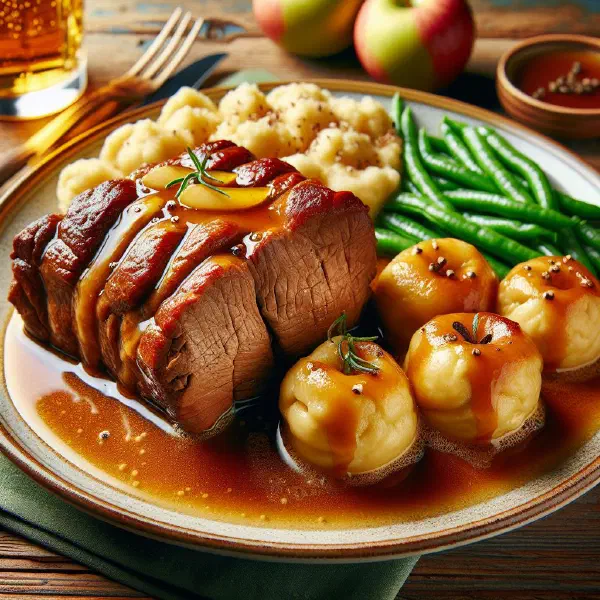
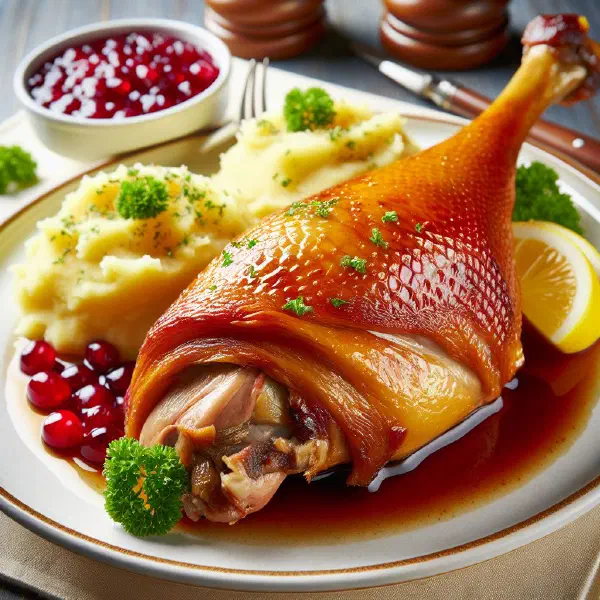
If certain ingredients are not to hand, alternatives are easy to find. Pears make an excellent stand-in for apples, while prunes are a fine substitute for fresh plums and can even bring a deeper, more concentrated sweetness. For a different take on poultry altogether, Duck with Apple Red Cabbage or a Pomeranian Goose Leg follow much the same spirit.
Drink pairing ideas
A traditional Christmas goose pairs especially well with full-bodied red wines such as Spätburgunder (Pinot Noir) or Dornfelder. A fruity mulled wine can also round off the festive mood perfectly, its warm spices echoing those in the stuffing. For alcohol-free options, homemade fruit punch variations are a delicious choice that everyone at the table can enjoy.
Serving and presentation ideas
For an appealing presentation, serve the Christmas goose on a large platter, surrounded by the colourful flecks of the stuffing and a few sprigs of fresh herbs. A scattering of fresh lingonberries adds both colour and flavour. Round out the dish with classic sides such as Apple Red Cabbage and Authentic Thuringian Dumplings for a truly traditional plate.
A bit of history
The tradition of the Christmas goose reaches back to the Middle Ages. The goose was regarded as the bird of Saint Martin and was originally eaten on St Martin’s Day, the 11th of November. Over the years the custom shifted, and the goose became the highlight of the Christmas meal, symbolising prosperity and abundance during the cold season. Today it remains one of the most cherished festive dishes in all of German cuisine.
More recipe ideas
Summary: Christmas Goose
The traditional Christmas goose is a delicious and festive dish with roots running deep into German culinary heritage. With the right preparation and the proper ingredients, you can create a memorable meal. The Christmas goose is sure to be the shining centrepiece of your holiday feast. Give it a try this season, your guests will be pleased.