National Dish Germany: Christmas Stollen (Recipe)
In this article
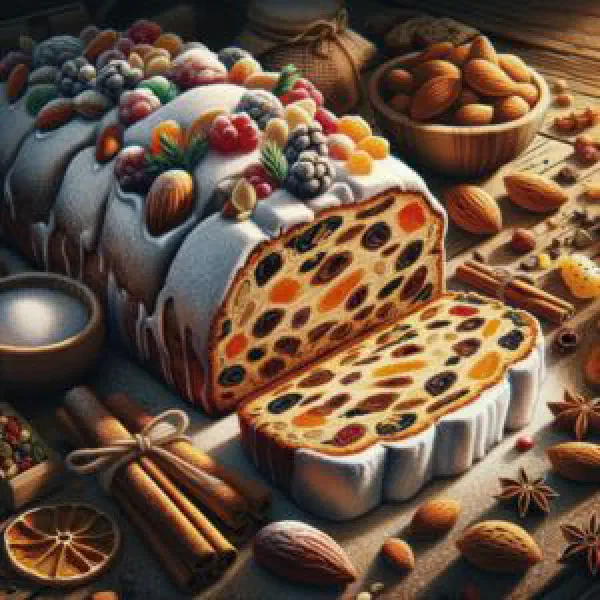
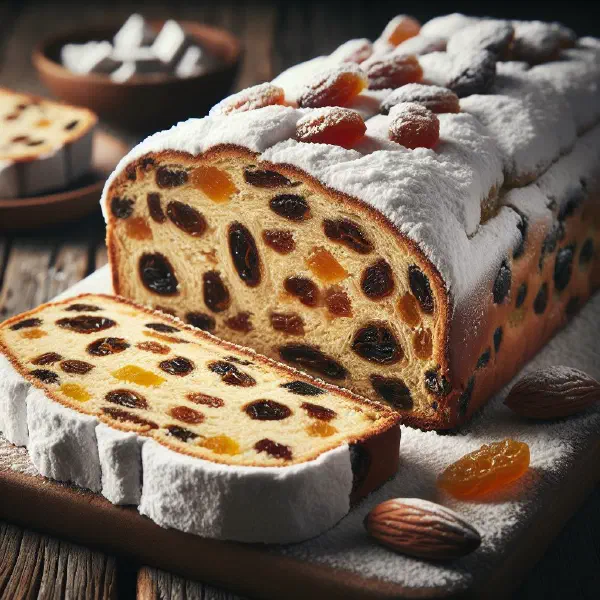
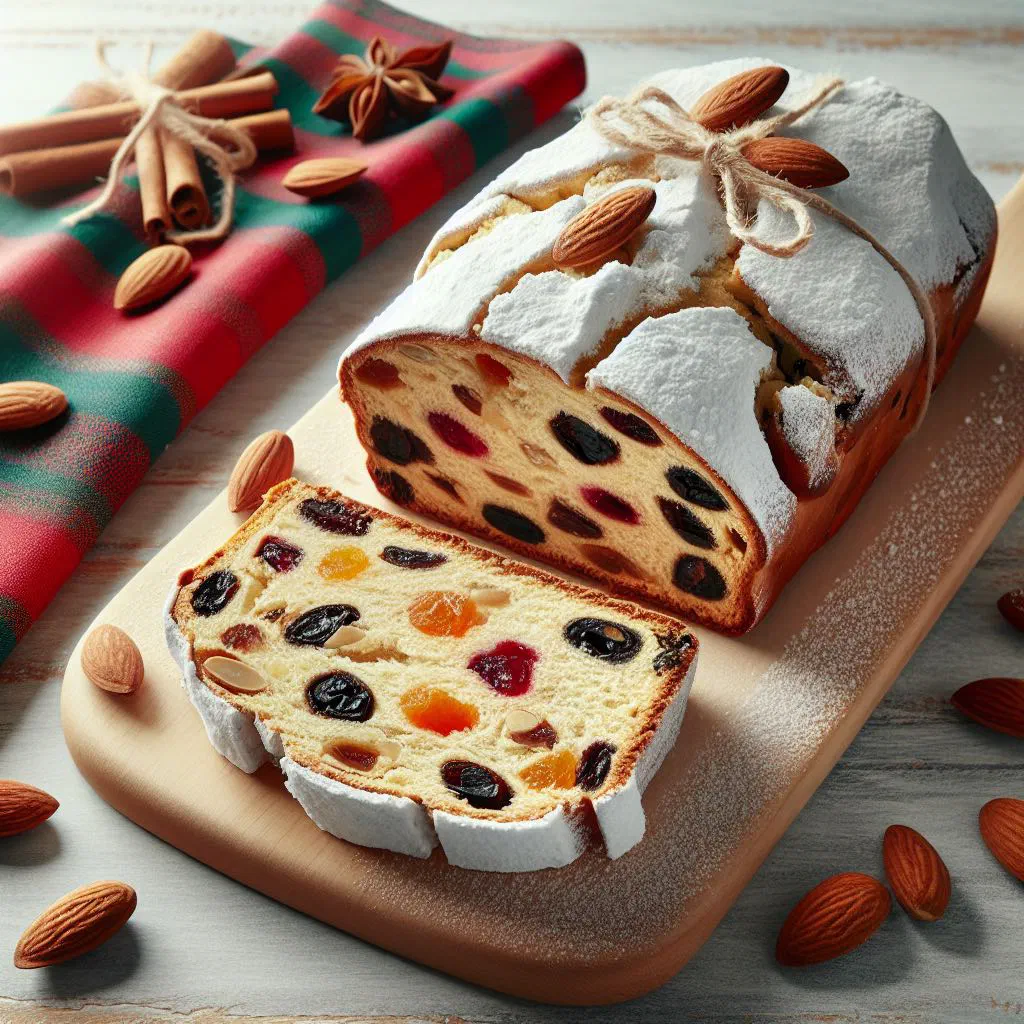
Few bakes capture the spirit of a German Christmas quite like Christmas Stollen. This dense, buttery loaf is studded with dried fruit, almonds and a ribbon of marzipan, then dusted in a snowy layer of icing sugar. Warming spices such as cinnamon and clove fill the kitchen as it bakes, conjuring all the cosiness of the festive season. Born in the city of Dresden centuries ago, it is the kind of treat that turns an ordinary winter afternoon into something to look forward to.
About Christmas Stollen
Christmas Stollen is far more than a simple cake; it is a slice of traditional German Christmas culture. This delicious loaf has its origins in the city of Dresden, where it has been baked since the 15th century. The signature mix of dried fruit, nuts and marzipan gives it its characteristic flavour, while warming spices such as cinnamon and clove deepen that festive atmosphere. The rich, buttery aroma that fills the air during baking is enough to make anyone’s mouth water, and a homemade stollen has pride of place on the table throughout the whole of Advent.
Ingredients (serves 1–2)
- 500 g plain flour
- 250 g butter
- 200 g sugar
- 300 g mixed dried fruit
- 100 g almonds
- 150 g marzipan
- 1 sachet dried yeast
- 1 tsp cinnamon
- 1 pinch of salt
- 250 ml milk
Shopping for the ingredients
When shopping for the ingredients for Christmas Stollen, quality really makes the difference. Fresh dried fruit and nuts are key to the flavour and texture of the finished loaf, so choose them carefully. Opt for unsalted almonds so they do not mask the gentle sweetness of the dough. A good-quality, fresh marzipan will likewise have a noticeable effect on the end result, and it is well worth seeking out the best you can find.
Preparing the dish
Preparing a Christmas Stollen begins with getting all your ingredients ready. First, the dried fruit should be rinsed well and sorted by size. The yeast needs to be dissolved in lukewarm milk before any of the other ingredients are added. Sift the flour into a large bowl, then add the remaining dry ingredients so everything is at hand and the dough can come together smoothly.
Step-by-step instructions
- Dissolve the yeast in 250 ml of lukewarm milk with a little sugar and leave to stand for 10 minutes.
- In a large bowl, combine the flour, sugar, cinnamon and salt.
- Add the wet ingredients (the yeast-and-milk mixture and the melted butter) to the flour mixture and knead thoroughly.
- Fold the prepared dried fruit and chopped almonds through the dough.
- Leave the dough to prove in a warm place for about 1 hour, until doubled in size.
- Roll the dough out on a floured surface, lay the marzipan along the centre and roll it up.
- Place the stollen on a baking tray and leave to rest for a further 30 minutes.
- Bake in a preheated oven at 180°C for 50–60 minutes, until golden brown.
Gluten-free / lactose-free version
For a gluten-free version it is best to use a gluten-free flour. A blend of gluten-free flour and starch helps preserve the structure of the stollen, which can otherwise turn crumbly. For a lactose-free loaf, simply reach for plant-based alternatives such as coconut milk and lactose-free butter. These swaps do not noticeably affect the flavour and mean that anyone with an intolerance can still enjoy a slice of Christmas Stollen.
Tips for vegans and vegetarians
Christmas Stollen is already suitable for vegetarians, and vegans can easily craft their own version too. Simply replace the butter with a vegan margarine and the milk with a plant-based drink such as oat or almond. Do double-check that the marzipan you use is vegan, as some brands contain egg white. With these small changes, everyone can savour this festive treat without compromising on their diet.
More tips and tricks
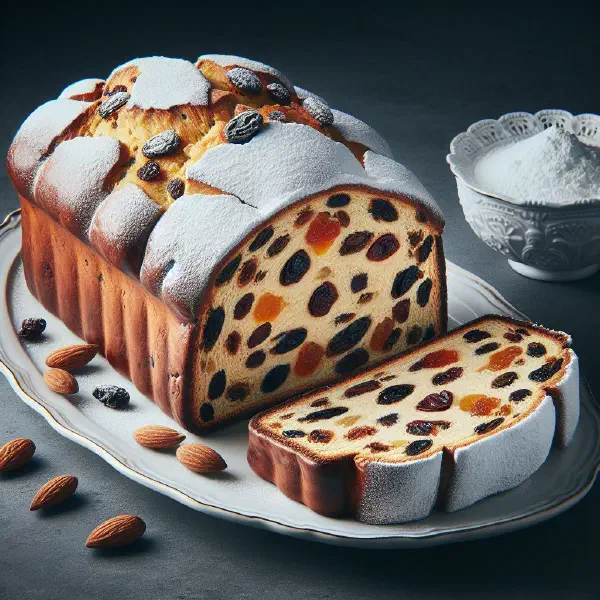
A few tips can make a real difference to your Christmas Stollen. Let the loaf cool completely after baking before you wrap or slice it. A generous dusting of icing sugar gives it that classic snowy look and helps preserve the bake. Store the stollen in an airtight container to keep it fresh and to let the flavours mature and intensify over the days that follow, in fact, many bakers say it tastes even better after a week.
Adapting the recipe to your taste
There are countless ways to adapt the recipe for Christmas Stollen to your own preferences. Ingredients such as dates or figs make wonderful alternatives to the usual dried fruit. You can also experiment with different spices like cardamom or a pinch of nutmeg to give the loaf a signature touch.
Ingredient substitutions
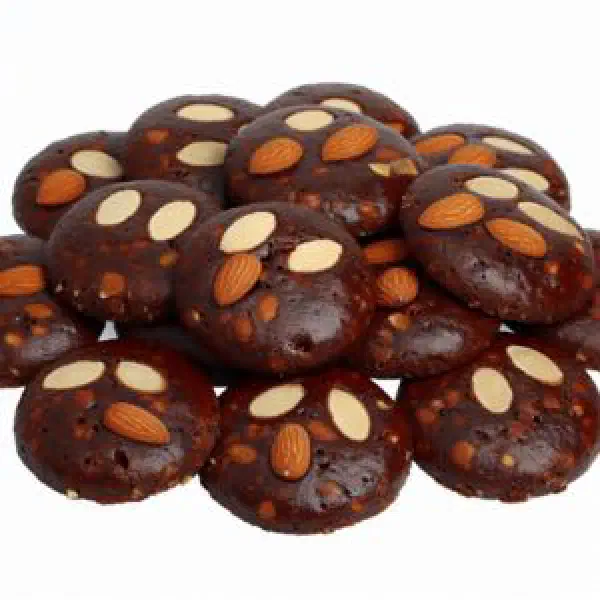
If you are not keen on almonds, they can easily be swapped for hazelnuts or other nuts. There is plenty of room to play with the dried fruit too: pineapple, cherries or apricots all bring fresh flavour combinations. To adjust the sweetness, some of the sugar can be replaced with honey or agave syrup. This same spirit of substitution turns up across German baking, from the dried-fruit richness of a Stuttgart Fruit Bread to the almond-and-sugar charm of Frankfurt Marzipan Balls.
Drink pairing ideas
A range of drinks pairs beautifully with Christmas Stollen. A warm mulled wine or a fruity fruit tea sit wonderfully alongside the flavours of the loaf. For an alcohol-free option, brew a spiced tea that echoes the festive spices of the stollen itself. These pairings are made for unhurried enjoyment and help while away the wait until Christmas Day.
Serving and presentation ideas
Thoughtful presentation can make your Christmas Stollen feel even more festive. Consider arranging the loaf on a decorative plate or a handsome wooden board. A scattering of almonds or a few fresh poinsettias as decoration add a celebratory flourish. Wrapped prettily, a stollen also makes a heartfelt gift, transforming a simple loaf into a small work of art for friends and family.
A bit of history
Christmas Stollen has a long tradition stretching back to the 15th century. It was originally baked as a fasting bread for Christmas and contained neither butter nor milk. These richer ingredients were added only later, as the recipes evolved over time. Today the stollen is a fixture of German Christmas celebrations and enjoys great popularity internationally too, a proud ambassador for German cuisine and its festive baking heritage.
More recipe ideas
- Dresden Christmas Stollen
- Butter Stollen
- Silesian Streusel Cake
- Frankfurt Marzipan Balls
- Rice Pudding with Cinnamon
Summary: Christmas Stollen
In summary, Christmas Stollen is an essential part of the festive season in Germany, lending every celebration a touch of magic with its glorious blend of dried fruit, nuts and spices. Thanks to the many possible adjustments and variations, anyone can shape their own personal recipe for this delicious loaf. Whether kept classic or interpreted with a creative twist, a home-baked stollen brings joy and memorable flavours to the table. Use the tips above to prepare and present your stollen to perfection, and let it become a cherished part of your own Christmas tradition.