National Dish Germany: Crock-Pickled Gherkins (Recipe)
In this article
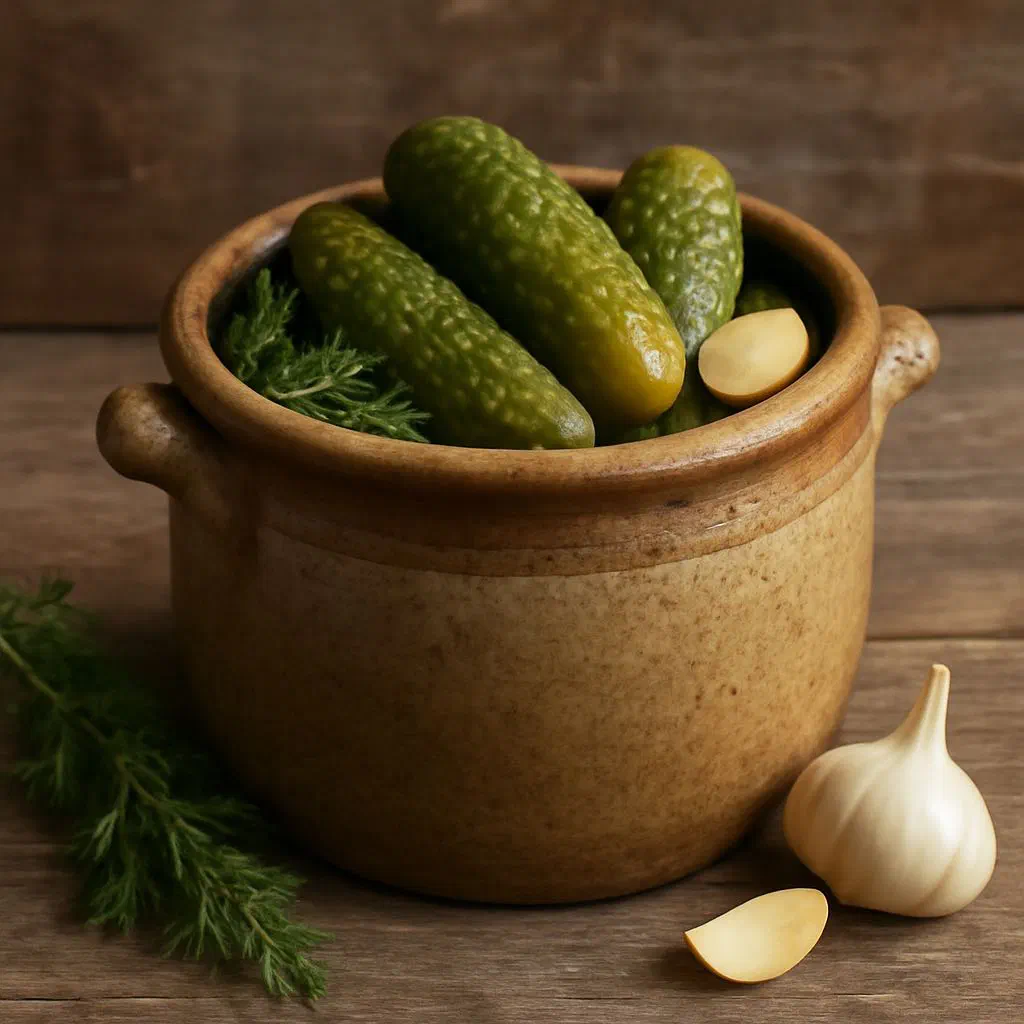
There is something deeply satisfying about a jar of home-pickled cucumbers, and this traditional GDR recipe for crock-pickled gherkins delivers exactly that: a brine that is tangy, gently spiced and reliably crisp. The stoneware crock keeps the aroma steady while the cucumbers slowly soak up dill, mustard and bay over the course of a week or two. It is honest, frugal home cooking at its best. Perfect for a bread platter, a light supper or as a lively side to all manner of hearty dishes.
About Crock-Pickled Gherkins
Crock-pickled gherkins stand for a flavour that is at once sour, spicy and pleasantly crisp. This style of pickling is especially popular because the stoneware crock holds the aroma steady and lets the cucumbers steep beautifully over several weeks. At its heart are fresh cucumbers, a balanced brine of vinegar and spices, and enough time for everything to come together. Anyone who loves hearty home cooking and a well-stocked larder will find this a versatile recipe that suits a bread platter, an evening supper or a simple side dish.
Ingredients (serves 1–2)
- 300–500 g pickling cucumbers (small to medium, firm and fresh)
- 250 ml water
- 125 ml vinegar (5%; e.g. distilled white vinegar or herb vinegar)
- 1–1.5 tsp salt (non-iodised if possible)
- 1–2 tsp sugar (optional, rounds off the acidity)
- 1–2 cloves garlic (optional, for a stronger note)
- 1 tsp mustard seeds
- 1/2 tsp peppercorns
- 1–2 bay leaves
- 1 piece horseradish (a small piece, optional, for extra heat)
- 1/2 bunch dill or dill stalks (classic and aromatic)
- 1 small onion (sliced into rings, optional)
For a small batch, a manageable ingredient list is ideal, because you can get started quickly and still achieve that typical pickled flavour. Pay particular attention to the quality of the cucumbers: they should be plump, free of soft spots and, ideally, processed on the same day. The combination of vinegar, salt and spices brings aroma and the classic keeping power of the brine. If you prefer a more traditional result, lean more on dill, mustard seeds and horseradish than on lots of additional spices.
Shopping for the ingredients
When shopping, it is worth asking specifically for pickling cucumbers, as they are firmer than salad cucumbers and stay crisp far better. In season, farmers’ markets often have cucumbers that were freshly harvested and are perfect for pickling. Vinegar, mustard seeds and peppercorns keep for a long time and can sit permanently in the cupboard as store-cupboard staples, so you can pickle on a whim. If you cannot get fresh dill, dill stalks or frozen dill are a serviceable alternative, even though fresh dill is usually more aromatic.
Preparing the dish
Before you begin, wash the cucumbers thoroughly and scrub them if needed, so that no grit ends up in the brine. Trim the ends sparingly, as the cucumbers should keep their shape and steep evenly. The crock or jar must be scrupulously clean so that unwanted microbes cannot multiply; a hot rinse is a good standard here. Have your spices and herbs ready beforehand, so you can work briskly while layering and the cucumbers do not sit warm for any longer than necessary.
Step-by-step instructions
- Wash the cucumbers, trim the ends minimally and either leave them whole or halve them lengthways as you like.
- Heat the water, vinegar, salt and optional sugar in a pan until the salt (and sugar) have fully dissolved.
- Put the mustard seeds, peppercorns, bay, dill and the optional onion, garlic and horseradish into the clean crock (or a heatproof jar).
- Pack the cucumbers in tightly so they “float” as little as possible and steep evenly.
- Pour the hot brine over the cucumbers until everything is well covered, then tap the vessel gently so air bubbles rise.
- Let it cool, cover or seal, and leave to steep for at least 3–7 days in the fridge or a cool place.
- Before the first taste, check that the cucumbers are completely covered and top up with a little cooled brine if needed.
It is important that the brine goes in hot, so the flavours bind quickly and the cucumbers start off hygienically. At the same time, the crock or vessel should not be ice-cold, to avoid stress from the temperature difference. The steeping time clearly determines the flavour: after a few days the cucumbers are milder, while after one to two weeks they turn boldly spiced. If you want especially crisp cucumbers, horseradish and a tight, dense packing help, as the cucumbers then sit more firmly in the brine.
Gluten-free / lactose-free version
This recipe is naturally often gluten-free and lactose-free, because it relies on vegetables, vinegar, water and spices. Even so, make sure that spice blends or vinegar varieties do not contain additives that might carry traces of gluten, as can happen with flavoured products. To be completely safe, use pure distilled vinegar and individual spices rather than ready-made blends. That way the flavour stays classic and you keep full control over what you can tolerate.
Tips for vegans and vegetarians
Pickled cucumbers in brine are ideal for a vegan and vegetarian diet, as no animal products are needed. To round out the aroma, you can work with onion, more dill or an extra bay leaf without changing the basic principle. If you like things heartier, add a small piece of horseradish or slightly increase the mustard seeds. The cucumbers also make a wonderful contrast to plant-based spreads, potato dishes or a simple vegetable-led bread platter.
More tips and tricks
For especially crisp cucumbers, it is worth soaking them in cold water for 1–2 hours before pickling. Salt should be weighed out carefully, as it affects both flavour and keeping power; too little leaves the brine flat, while too much overwhelms the spices. Always make sure the cucumbers are fully submerged in liquid, as contact with air can spoil the surface. If the flavours develop too strongly, you can gently adjust the brine later with a little water and vinegar in the same ratio.
Adapting the recipe to your taste
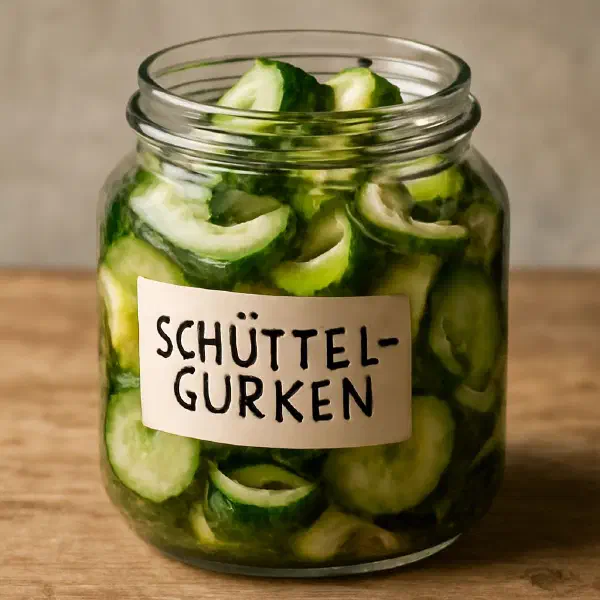
If you prefer your cucumbers less sour, reduce the vinegar slightly and increase the water in turn, without tipping the ratio completely. For a sweet-and-sour note, you can use a little more sugar, which softens the spice and harmonises the flavour. If you love things piquant, add a small pinch of chilli or a piece of pepperoncino, but go sparingly so the dill and mustard are not pushed out. The cut also affects the result: whole cucumbers often stay crisper, while halved cucumbers steep faster and are ready to serve sooner.
Ingredient substitutions
If you cannot get fresh dill, dill seeds or dried dill are a practical alternative, even if the aroma turns out a little different. Horseradish can, at a pinch, be replaced with a small piece of ginger if you prefer a different kind of heat, though the flavour then feels less classic. For the vinegar, you can vary between distilled white vinegar, cider vinegar or herb vinegar, with cider vinegar often tasting fruitier. If you cannot tolerate onion, leave it out and increase the mustard seeds minimally instead, to keep the seasoning steady.
Drink pairing ideas
Spicy-sour cucumbers go well with drinks that neutralise the palate or accompany the seasoning pleasantly. A chilled mineral water or a spritzer is ideal if you want to keep the flavours clear and fresh. For a more traditional pairing, serve a mild beer or an alcohol-free malt drink, as these cushion the acidity nicely. Unsweetened herbal tea, chilled, is another good option, especially if you are after a light, unobtrusive accompaniment.
Serving and presentation ideas
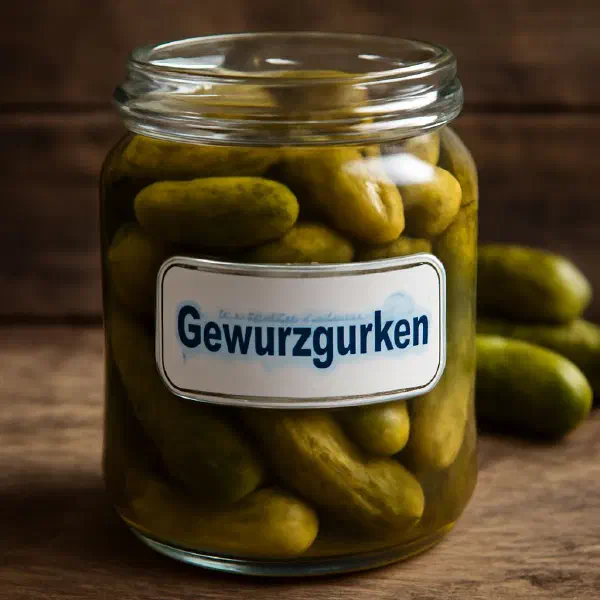
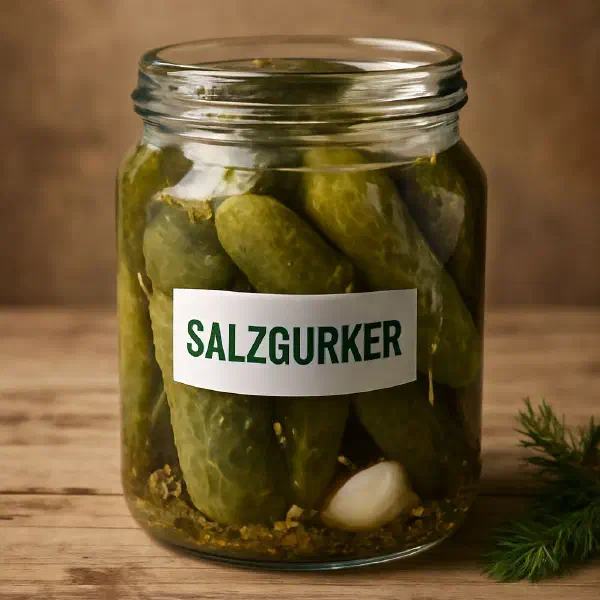
For an attractive presentation, slice the cucumbers and arrange them on a small platter with dill tips and a few mustard seeds from the brine. A jar with visibly layered cucumbers, onion rings and dill looks rustic and immediately signals that this is home-made larder cooking. Serve the cucumbers well drained so they do not water down the whole platter, and put the brine out separately in case anyone likes things juicier. It looks especially appetising combined with dark bread, potatoes or a simple cold platter, much like a slice of Black Bread, because the cucumbers then shine as a spicy side.
A bit of history
The pickling of cucumbers has a long tradition in Germany, as it was a reliable way of preserving the summer harvest for winter. Stoneware crocks were a favourite for this, being robust and shielding both temperature and light better than some other vessels, the same thrifty larder spirit behind classics such as Wine Sauerkraut. In many households, pickled cucumbers were part of everyday larder cooking, because they were cheap, versatile and quick to put on the table as a side. Typical here is the clear line of spicing with dill, mustard seeds and bay, which to this day counts as the classic flavour of many cucumber recipes within German cuisine.
More recipe ideas
- Wine Sauerkraut
- Eggs in Mustard Sauce
- Dripping Bread with Onions
- Sauerkraut and Potato Bake
- Holstein Turnip Mash
Summary: Crock-Pickled Gherkins
Crock-pickled gherkins are a simple and reliable way to turn fresh cucumbers into a spicy store-cupboard staple. With a hot brine of vinegar, water, salt and classic spices such as dill, mustard seeds and bay, you achieve a result that gains noticeably in depth after a few days of steeping. The keys are clean vessels, fresh cucumbers and the rule that everything stays well covered at all times. The result is a side that suits many dishes and can be steered, entirely to taste, from mild to bold.