National Dish Germany: Dampfnudeln (Recipe)
In this article
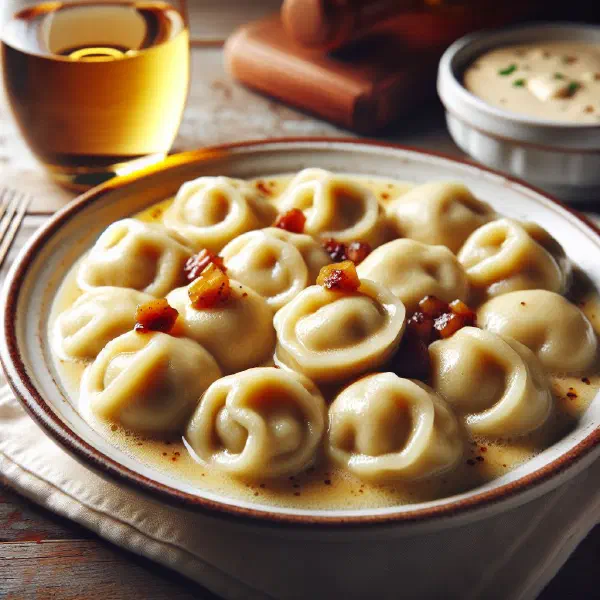
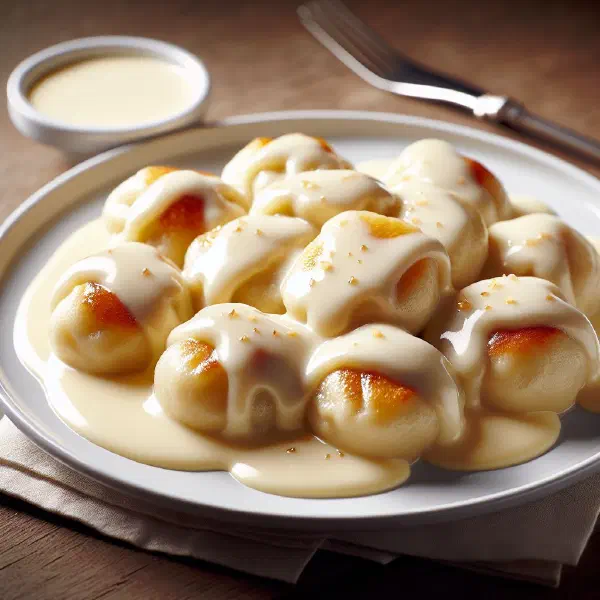
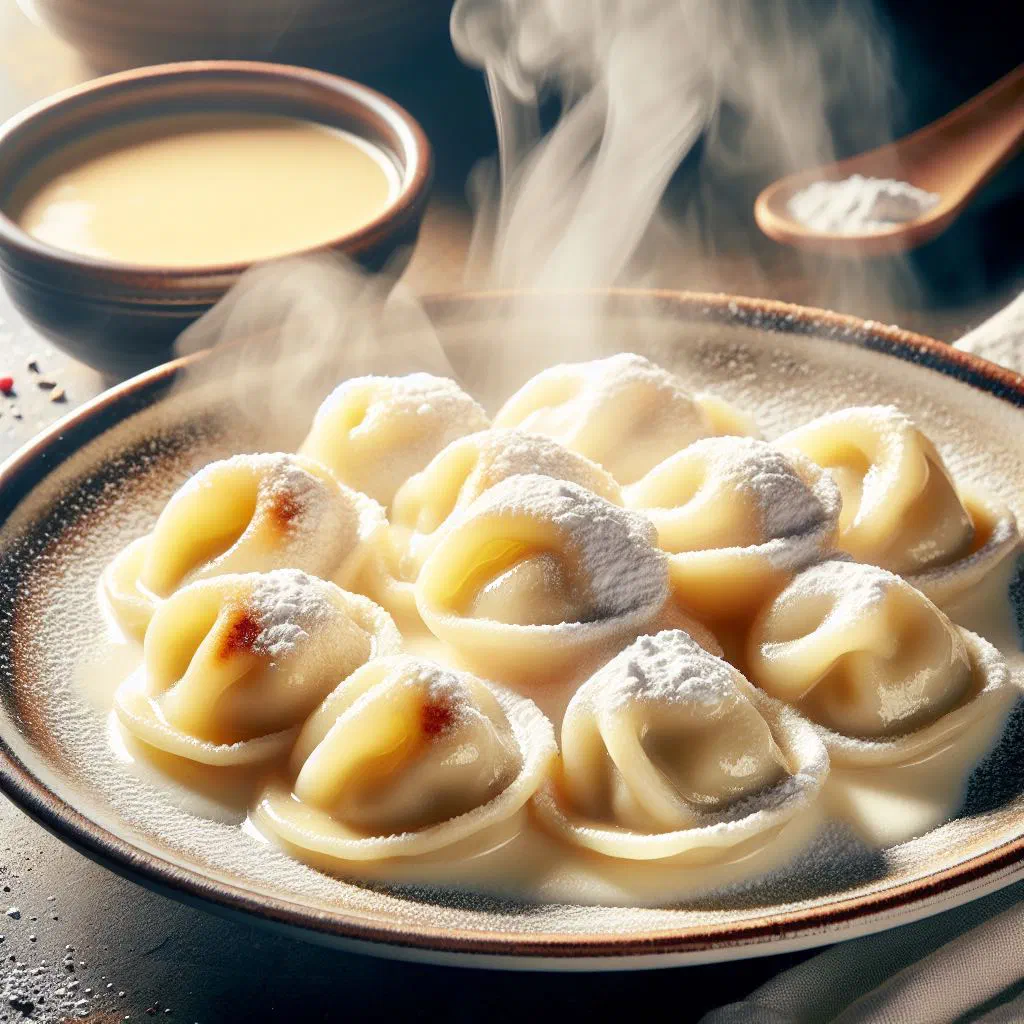
Meet Dampfnudeln, a treasured classic of southern German cooking. These soft, pillowy yeast dumplings are gently steamed until they turn wonderfully light and airy, then served with a silky vanilla sauce. Equally at home as a hearty main course or a comforting pudding, they fill the kitchen with a very good aroma. With a handful of simple ingredients and a little patience, you can bring a true taste of Bavaria and Swabia straight to your own table.
About Dampfnudeln
Dampfnudeln are a much-loved speciality of southern German cuisine, famous for their soft, airy texture and their wonderful fragrance. Traditionally they are served both as a main course and as a dessert, which makes them remarkably versatile. The secret lies in a light yeast dough that is gently steamed rather than baked, so the dumplings rise into tender, fluffy clouds. Whether paired with a sweet sauce or a savoury accompaniment, they are the very picture of cosy, homely cooking.
Ingredients (serves 1–2)
- 250 g plain flour
- 1/2 cube fresh yeast (about 21 g)
- 125 ml milk
- 25 g sugar
- 1 pinch of salt
- 1 egg
- 40 g butter
Shopping for the ingredients
When shopping for the ingredients, look for fresh, high-quality produce. This matters most with the yeast and the milk. Regional and organic products are particularly worth seeking out here, as they give the dough the best chance to rise beautifully. Everything you need is easy to find in a regular supermarket, much like the everyday staples behind a comforting bowl of Rice Pudding with Cinnamon.
Preparing the dish
Before you begin, make sure all the ingredients are at room temperature. This makes the dough come together far more easily and gives you a much better result, as cold ingredients can slow the yeast and leave the dumplings dense. A little groundwork, measuring everything out and warming the milk gently, means the preparation goes smoothly from start to finish.
Step-by-step instructions
- Sift the flour into a bowl and make a well in the centre.
- Stir the yeast together with the lukewarm milk and sugar in the well, then leave to prove for 15 minutes.
- Add the egg, butter and salt, and knead everything into a smooth dough.
- Cover the dough and leave it to rise in a warm place for about 1 hour.
- Divide the dough into small portions and shape them into balls.
- Melt a little butter in a pan, set the dough balls inside, add a splash of milk, then cover and steam for about 20 minutes.
Gluten-free / lactose-free version
With a few swaps, Dampfnudeln can be made gluten-free and lactose-free. Use a good gluten-free plain flour blend with added binding agents such as xanthan gum, so the dough still holds together when steamed. For a lactose-free version, simply use plant-based milk and a dairy-free spread in place of the milk and butter. That way everyone at the table can enjoy these dumplings without compromising on flavour.
Tips for vegans and vegetarians
This recipe adapts easily to a vegan diet. Simply use plant-based alternatives such as soya milk and margarine instead of milk and butter. The egg can be replaced with 50 g of apple purée or another egg-replacer mixture, which keeps the dough soft and helps it bind. As always, check spice blends and pre-processed ingredients for hidden animal products to keep the dish fully plant-based.
More tips and tricks
- Add a little lemon zest to the dough to lift and refine the flavour.
- Serve the Dampfnudeln with a vanilla sauce or a compote of your choice.
- For a crisp golden base, leave the pan uncovered for the final few minutes of cooking.
Adapting the recipe to your taste
The basic recipe for Dampfnudeln is wonderfully easy to tailor to your own preferences. Experiment with different fillings such as poppy seed or jam to discover new flavours, or tuck a spoonful of plum compote into the centre of each dumpling. You can also serve them savoury rather than sweet, a tradition that sits comfortably alongside hearty dishes from German cuisine.
Ingredient substitutions
If you do not have certain ingredients to hand, there are plenty of alternatives. Fresh yeast can be swapped for fast-action dried yeast, or even for baking powder, though bear in mind that this will change the texture of the dumplings, making them a little denser. Whole milk can be replaced with semi-skimmed, and butter with a good margarine, much as you might adjust the staples in a classic Bavarian Cream.
Drink pairing ideas
A range of drinks pairs nicely with Dampfnudeln. Classic choices include coffee, tea or a simple glass of milk, all of which complement the gentle sweetness of the dumplings. For something a little more unusual, reach for a fruity white wine or a glass of cider, whose crisp acidity balances the richness of the vanilla sauce beautifully.
Serving and presentation ideas
Presentation can lift the whole experience. Serve the Dampfnudeln on an attractive plate, garnished with fresh fruit or a few mint leaves. A generous drizzle of vanilla sauce rounds off the picture perfectly and makes the dish all the more inviting. A light dusting of icing sugar adds a final flourish that turns a simple pudding into something special.
A bit of history
Dampfnudeln have a long tradition in southern German cooking and are especially cherished in Bavaria and Swabia. Originally they served as a nourishing main course for farmers and labourers, providing plenty of energy from humble, affordable ingredients. To this day they remain a symbol of warmth, comfort and tradition, a beloved fixture of German cuisine that has been passed down through generations.
More recipe ideas
- Bavarian Cream
- Swabian Lentils with Spätzle
- Rice Pudding with Cinnamon
- Holstein Flour Dumpling
- Yeast Dumplings with Vanilla Sauce
Summary: Dampfnudeln
Dampfnudeln are a versatile and delicious dish that can be enjoyed both as a main course and as a dessert. With simple ingredients and a little patience, this classic of German cooking comes together with ease. Soft, airy and very fragrant, they make the perfect centrepiece for a cosy meal. Give them a try and surprise your guests with this traditional treat, a true taste of southern Germany.