National Dish Germany: East Frisian Raisin Bread (Recipe)
In this article
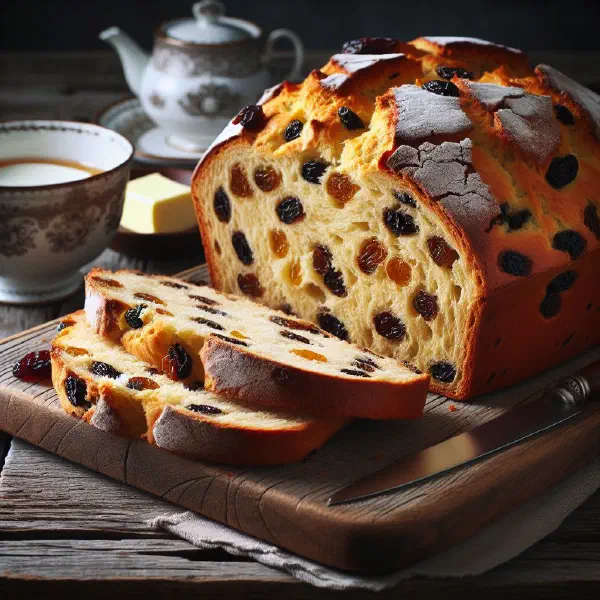
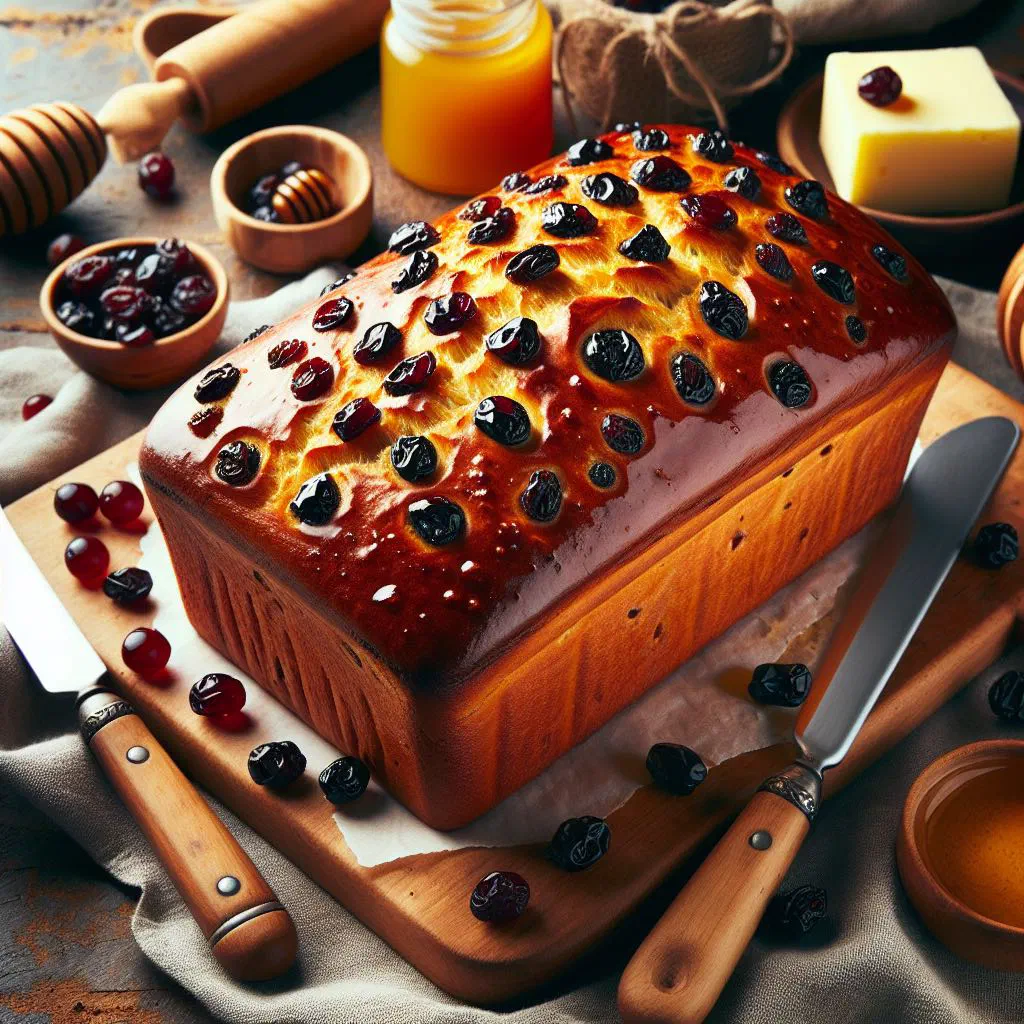
Say hello to East Frisian raisin bread, a treasured sweet yeast loaf from the windswept coast of East Frisia. Each slice is generously dotted with plump raisins and laced with the cosy warmth of cinnamon and cardamom, making it the ideal companion to a leisurely afternoon. This homely bake brings a little of the North Sea’s baking heritage straight into your own kitchen.
About East Frisian Raisin Bread
East Frisian raisin bread is a much-loved yeast bread that is deeply rooted in the region of East Frisia. What sets it apart above all is its sweet filling of raisins and gently warming spices. Every bite brings out the aromas of cinnamon and cardamom, turning this loaf into a genuine treat. It is the perfect partner for relaxed, unhurried afternoons.
Ingredients (serves 1–2)
- 250 g plain wheat flour
- 50 g sugar
- 30 g butter
- 1 sachet dried yeast
- 125 ml milk
- 1 egg
- 100 g raisins
- Cinnamon, to taste
- A pinch of salt
Shopping for the ingredients
When shopping for the ingredients for raisin bread, it is well worth choosing good-quality produce. Make sure to buy fresh raisins, as they form the heart of the filling. The yeast should be fresh too, so that the dough rises properly. A visit to your local market or a health-food shop is the best way to track down the finest ingredients.
Preparing the dish
Preparing an East Frisian raisin bread is straightforward and takes very little effort. First, gather and weigh out all the ingredients to make the baking process easier. It also helps to have a large mixing bowl ready for the dough and a baking tray lined with greaseproof paper. With everything to hand, you will be well organised when it comes to making this delicious treat.
Step-by-step instructions
- Warm the milk in a small pan until it is lukewarm.
- Stir the dried yeast into the warm milk and leave it to stand for about 10 minutes, until it begins to froth.
- Combine the flour, sugar, salt and egg in a large bowl.
- Add the melted butter and the yeast-and-milk mixture, then knead the dough thoroughly.
- Cover the dough and leave it to rise in a warm place for about 1 hour.
- Now work the raisins and cinnamon evenly through the dough.
- Shape the dough into a loaf and place it on the prepared baking tray.
- Bake the raisin bread at 180°C for about 25–30 minutes, until golden brown.
Gluten-free / lactose-free version
For a gluten-free and lactose-free version of the raisin bread, you can use a special gluten-free flour, often based on rice or buckwheat. Make sure the yeast is gluten-free too. For the milk, there are plenty of lactose-free alternatives, such as almond or soya milk, which work beautifully here. These small adjustments mean that people with intolerances can enjoy this lovely bake as well.
Tips for vegans and vegetarians
If you follow a vegan diet, the egg can be replaced with a mixture of flaxseed and water. Simply combine 1 tablespoon of ground flaxseed with 2 tablespoons of water and leave it to swell for a few minutes. As a butter substitute, a good plant-based margarine that melts well does the job nicely. With these alternatives, the raisin bread stays just as delicious and becomes suitable for every lover of good food.
More tips and tricks
To achieve the perfect raisin bread, be patient when kneading the dough. A longer kneading time develops the gluten structure better, giving you a light, airy crumb. Another key point is the proving: leave the dough in a warm place so the yeast has plenty of time to work. Finally, this bake is at its very best enjoyed fresh, while it is still warm.
Adapting the recipe to your taste
This raisin bread can be adapted to suit your own preferences. For example, different dried fruits such as apricots or cranberries can be used in place of raisins to create extra layers of flavour, much like the fruit-laden loaves you find in Stuttgart Fruit Bread. Adding nuts such as walnuts or almonds can also give the loaf an interesting texture. Be bold, get creative and try out new combinations.
Ingredient substitutions
If you are not keen on raisins, you can use glacé cherries or even chocolate chips instead to give your raisin bread a special twist. The sugar, too, can be swapped for honey or agave syrup to bring a natural sweetness. If you are keeping things plant-based, the margarine can be replaced with coconut oil for a subtle tropical touch.
Drink pairing ideas
Serving a delicious afternoon coffee or tea alongside your raisin bread makes the experience complete. A mild Darjeeling or a fruity hibiscus tea harmonises wonderfully with the loaf’s sweet notes, while the regional classic, East Frisian Tea with Rock Sugar and Cream, is a natural match. A creamy latte macchiato or a cappuccino make excellent partners too. On warmer days, a refreshing iced tea is a lovely way to balance the sweetness.
Serving and presentation ideas
To present your raisin bread attractively, you can dust it with icing sugar or finish it with a simple sugar glaze. Serve the loaf on a pretty plate, perhaps alongside fresh fruit or a small dollop of whipped cream. Colourful serveware and tasteful little dishes can lift the whole presentation and make the occasion feel that bit more special.
A bit of history
East Frisian raisin bread has its roots in East Frisia, where it has been baked for generations. Originally it was a simple, nourishing loaf that families made for special occasions. To this day it remains a firm fixture of the East Frisian baking tradition. Its combination of sweet and gently spiced flavours keeps it a popular bake in cafés and at family gatherings, and it sits proudly within the wider story of German cuisine.
More recipe ideas
Summary: East Frisian Raisin Bread
This raisin bread brings the flavours of East Frisia straight into your kitchen. This traditional yeast bread is a pleasure for the palate and wonderfully simple to make. With its sweet filling of raisins and aromatic spices, it has won a great many admirers and makes the perfect companion to coffee or tea. Let the variety of this little delicacy win you over, and discover a love for East Frisian baking culture.