National Dish Germany: East Frisian Raisin Loaf (Recipe)
In this article
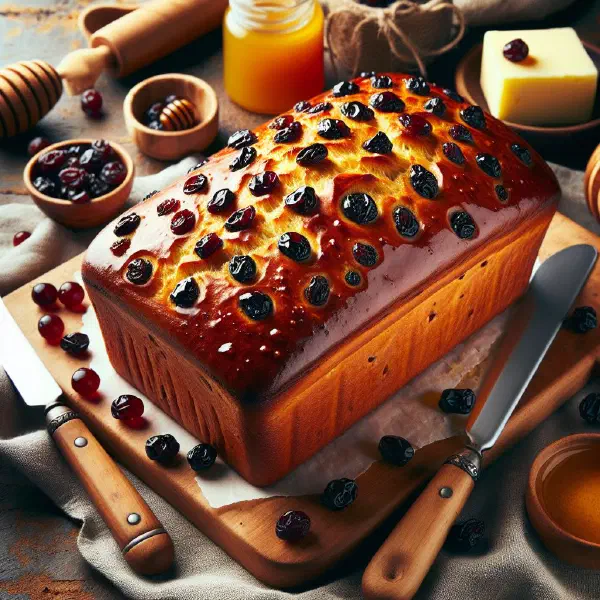
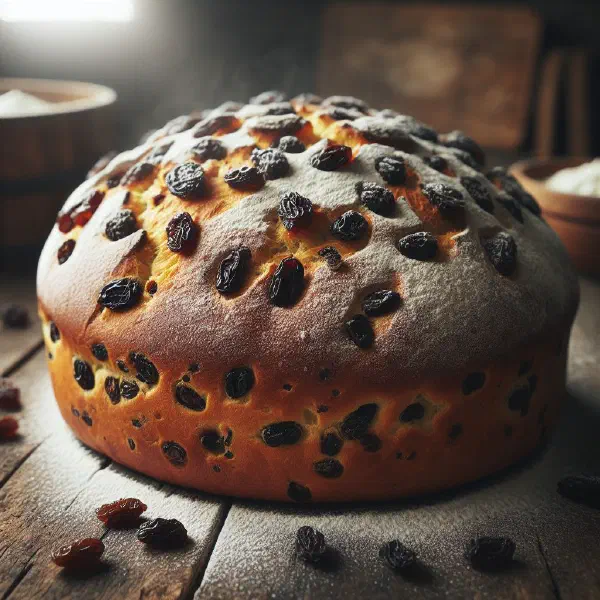
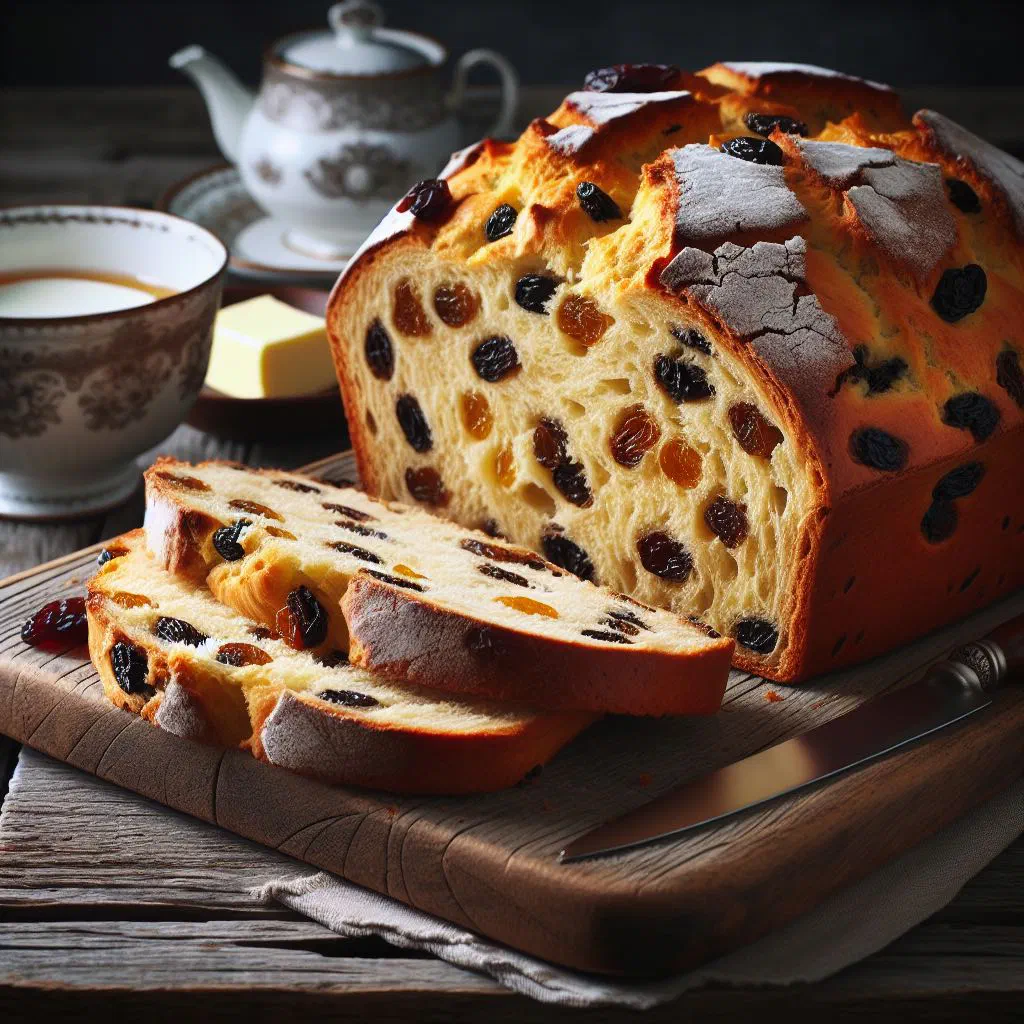
Meet the East Frisian raisin loaf, a cherished treasure of northern German baking. With its soft, airy crumb and pockets of sweet, fragrant raisins, this gentle yeast bread is the perfect companion to a leisurely breakfast or an afternoon cup of coffee. Spread with a little butter and served warm, it brings a real sense of cosiness to the table, a comforting bake that tastes of home and tradition in equal measure.
About East Frisian Raisin Loaf
The East Frisian raisin loaf is a genuine highlight of north German baking tradition. With its moist, fluffy dough and sweet, aromatic raisins, it is a beloved partner for breakfast or the afternoon coffee table, and embodies a piece of home and heritage. Often served with butter or alongside a freshly brewed cup of coffee, it lends a feeling of warmth and comfort to any gathering. The raisin loaf is wonderfully simple to make and works just as well for special occasions as it does for an everyday sweet treat.
Ingredients (serves 1–2)
- 250 g plain flour
- 150 ml milk
- 50 g sugar
- 1 sachet dried yeast
- 50 g butter
- 1 egg
- 150 g raisins
- A pinch of salt
- Optional: cinnamon or vanilla for extra flavour
Shopping for the ingredients
When choosing the ingredients for your raisin loaf, it pays to look for quality and freshness. Flour and dried yeast form the backbone of the recipe, while plump, fresh raisins give the dough its sweet character. Milk and butter should ideally be fresh too, to guarantee the best flavour and an ideal texture. If you fancy a little experimentation, organic products can help to deepen the taste even further.
Preparing the dish
Before you start baking, it is important to have all your ingredients ready to hand. Measure everything out precisely and keep it within easy reach. The baking tin should be prepared as well; a loaf tin is ideal, as it makes turning out the finished raisin loaf straightforward. You can also preheat your oven to save time during preparation. This matters in particular because the dough needs to rise before it goes into the oven.
Step-by-step instructions
- In a bowl, combine the flour, sugar, salt and dried yeast thoroughly.
- Add the lukewarm milk and the melted, cooled butter.
- Stir in the egg and knead everything well until you have a smooth dough.
- Fold in the raisins, then cover the dough and leave it to rise in a warm place for about 1 hour.
- Knead the risen dough once more and transfer it to a greased loaf tin.
- Cover the dough again and leave it to prove for around 30 minutes.
- Bake in the preheated oven at 180°C for about 30–40 minutes.
- Allow it to cool briefly after baking, then turn it out of the tin and enjoy.
Gluten-free / lactose-free version
For a gluten-free version of the raisin loaf, you can use a gluten-free flour blend designed for baking. Make sure that the dried yeast is gluten-free as well. Lactose-free milk and butter are also widely available and give an excellent flavour. These small adjustments mean that anyone with special dietary needs can still enjoy this delicious bake.
Tips for vegans and vegetarians
Vegans can adapt the raisin loaf with ease by swapping the egg for a plant-based alternative such as apple purée or a chia-seed gel. In place of butter, vegan margarine or a neutral plant oil works beautifully. When it comes to the milk, reach for plant-based options like almond, oat or soya milk. Adjustments like these not only make the traditional recipe vegan, they are often a little lighter too.
More tips and tricks
To make your raisin loaf even more your own, you can enrich it with nuts, finely diced apple or other dried fruit. Adding spices such as cinnamon or cardamom lends the dough an extra layer of flavour. Brushing the loaf with a mixture of milk and sugar before baking gives you a glossy, lightly crisp top. There is plenty of room to vary the bake, so every baker can add a personal touch.
Adapting the recipe to your taste
For a less sweet version, simply reduce the amount of sugar in the recipe. You can also experiment with the raisins, replacing them with other dried fruit such as apricots or cranberries. Depending on your mood, a handful of chocolate or nuts will give the loaf a chocolatey or nutty note. All these tweaks make the recipe wonderfully versatile and invite you to discover new flavours.
Ingredient substitutions
If raisins are not to your liking, you can swap them for other dried fruit. Fresh fruit such as apple or pear also makes an excellent alternative. Instead of wheat flour, spelt flour is well worth a try. It is a little more wholesome and brings a character all of its own, much like the rustic grains behind a hearty Rye Bread. Nut milk can stand in for the dairy milk and adds a subtle extra flavour.
Drink pairing ideas
The raisin loaf pairs wonderfully with a whole range of drinks. A cup of freshly brewed coffee or a robust pot of tea makes a perfect partner, and few traditions suit it better than a glass of East Frisian Tea with Rock Sugar and Cream. A glass of orange juice can be served alongside too, for a fruity touch, while a sparkling wine adds a celebratory note to special occasions.
Serving and presentation ideas
To present the raisin loaf attractively, simply lay the cooled bread on a pretty serving plate. A dusting of icing sugar and perhaps a garnish of fresh fruit creates an inviting look. A few mint leaves add bright, fresh dabs of colour and lift its appeal further still. Presentation is often every bit as important as flavour, so let your creativity run free.
A bit of history
The raisin loaf has its roots in German baking tradition, reaching back to the 19th century. It is particularly popular in East Frisia and across northern Germany, where it was originally served as a festive bake. In times when access to sugar and raisins was limited, enjoying it was seen as a sign of prosperity. Today it is a firmly established part of north German baking culture and remains hugely popular, and not only on special occasions. It sits comfortably among the great classics of German cuisine.
More recipe ideas
Summary: East Frisian Raisin Loaf
The East Frisian raisin loaf is a sweet delicacy that wins hearts with its moist dough and plump, sweet raisins. It does not just bring cosiness to the table; it embodies a piece of north German tradition. With simple ingredients and a fuss-free method, the raisin loaf is ideal for anyone who wants to experience north German baking culture at home. Enjoy it fruity, creative with all sorts of variations and in good company, or simply on your own, as a little reward to brighten the everyday.