National Dish Germany: Eifel Potato Cake (Recipe)
In this article
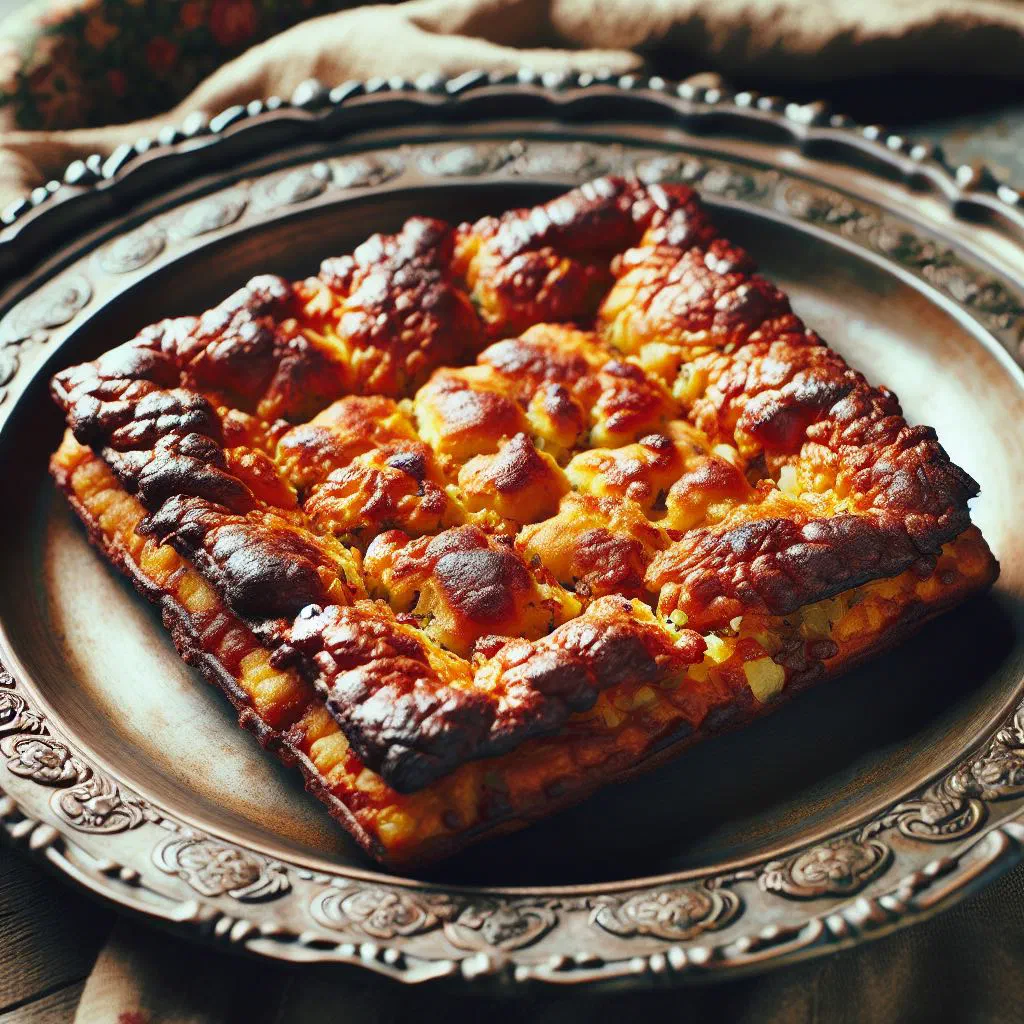
Discover Eifel Potato Cake, a hearty classic from the rolling hills of Germany’s Eifel region. This rustic dish brings together grated potatoes, onions and bacon to create a wonderfully crisp, golden delicacy rooted in traditional German country cooking. Simple to make yet deeply satisfying, it carries the warm, homely flavours of the Eifel straight to your table, comfort food at its very best.
About Eifel Potato Cake
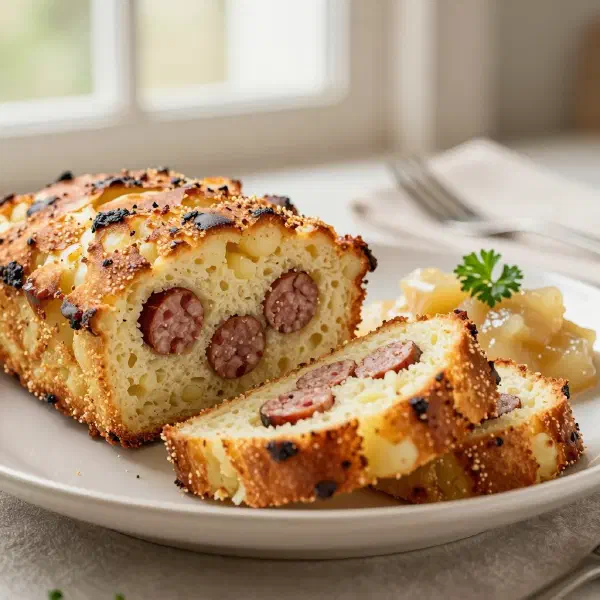
Eifel Potato Cake, known locally as Döppekuchen, is a traditional dish that hails from the picturesque Eifel region. It is built mainly around grated potatoes combined with onions and bacon, a pairing that delivers a savoury, deeply moreish flavour reminiscent of hearty German country cooking. Not only is it straightforward to prepare, it also captures the authentic aromas of the region in every bite. Much like the Eifel Potato Pancakes made nearby, it celebrates the humble potato in the most comforting way.
Ingredients (serves 1–2)
- 500 g potatoes
- 2 onions
- 150 g bacon
- 2 eggs
- Salt and pepper, to taste
- Oil or lard, for frying
Shopping for the ingredients
Before you start preparing your potato cake, it is well worth buying everything fresh. Choose good-quality potatoes and onions, as these form the backbone of the dish. The bacon should be fresh and of good quality too, so the flavour really shines through. Visit a local market or a well-stocked supermarket to track down the best ingredients for your meal.
Preparing the dish
Getting Eifel Potato Cake ready is quick and uncomplicated. First, peel the potatoes and grate them coarsely to achieve the perfect texture. Finely chop the onions at the same time, and cut the bacon into small cubes before it goes into the pan. Taking care of these steps in advance ensures that all the ingredients can be combined smoothly and evenly.
Step-by-step instructions
- Heat a little oil or lard in a frying pan.
- Add the diced bacon and fry it until crisp.
- Add the onions and cook until translucent.
- In a bowl, mix the grated potatoes, eggs, bacon and onions together. Season with salt and pepper.
- Tip the mixture into the pan and fry the cake until golden brown on both sides.
Gluten-free / lactose-free version
Eifel Potato Cake is naturally gluten-free and lactose-free, as long as you avoid any lactose-containing products. Simply use plant-based oils or fats that are free from lactose. The potatoes provide an excellent base that you can adapt to steer clear of allergic reactions.
Tips for vegans and vegetarians
For a vegan version of the potato cake, swap the bacon for smoked tofu cubes. Instead of eggs, use flaxseed or chia seeds soaked in water, which act as a binding agent. A splash of vegetable stock can add extra moisture and flavour. This keeps the texture and enjoyment of the dish intact while relying entirely on plant-based ingredients.
More tips and tricks
A few handy tricks can help you get the perfect result. Make sure the potatoes are as dry as possible before frying, as this encourages a lovely crisp crust to form. Fry the potato cake in a thoroughly heated pan to stop it sticking. Flipping the cake can be a challenge, so use a large plate to help you turn it over more easily.
Adapting the recipe to your taste
The beauty of the potato cake lies in its versatility. You can add vegetables such as peppers, courgettes or carrots to bring in extra flavour and nutrients. It becomes even more special with spices like paprika or nutmeg, which add a subtle depth of flavour. Experiment to your heart’s content and shape the potato cake entirely to your own taste.
Ingredient substitutions
If you are not keen on lard or bacon, you can use olive oil or coconut oil instead. For a lighter, less calorie-heavy variation, steamed or grilled courgettes or aubergines work well. In place of ordinary potatoes you can also use sweet potatoes, which lend the dish a sweeter note, a trick that also brightens up a Potato and Carrot Mash. These alternatives mean everyone can enjoy their potato cake exactly the way they like it.
Drink pairing ideas
A range of drinks pairs beautifully with Eifel Potato Cake. A light white wine, such as a Riesling, sits well alongside the savoury flavours of the dish. If you prefer something non-alcoholic, homemade apple juice or sparkling mineral water makes a refreshing choice. A hearty regional beer can also complement the flavours of the potato cake wonderfully, turning every meal into a real treat.
Serving and presentation ideas
Presentation is an important part of serving the potato cake. Set it out on a rustic wooden board alongside a fresh salad or some seasonal vegetables for a lovely contrast. Garnished with fresh herbs such as parsley or chives, the dish looks all the more inviting. A bright, colourful table can underline the tradition behind the potato cake and turn the meal into a special occasion.
A bit of history
Eifel Potato Cake has its roots in the rural kitchens of the Eifel, where simple yet nourishing ingredients were the order of the day. While the dish was once popular above all as a humble, peasant meal, today it holds a cherished place in German cooking. Many families have their own recipes, passed down through the generations. The potato cake is more than just a dish; it is a piece of culture and tradition that reflects the warm hospitality of the Eifel, a hallmark of German cuisine.
More recipe ideas
- Eifel Potato Pancakes
- Potato Pancakes with Apple Sauce
- Bamberg Potato Salad
- Potato Bake with Bacon
- Westphalian Potthucke
Summary: Eifel Potato Cake
Eifel Potato Cake is a traditional, savoury dish that is easy to prepare and brings the flavours of the Eifel to the table. With its combination of potatoes, onions and bacon, it is an ideal choice for both everyday meals and special occasions. It also leaves plenty of room for individual touches, so everyone can create their own version. This potato cake is a pleasure to eat and a slice of regional history and hospitality.