National Dish Germany: Eintopf (Recipe)
In this article
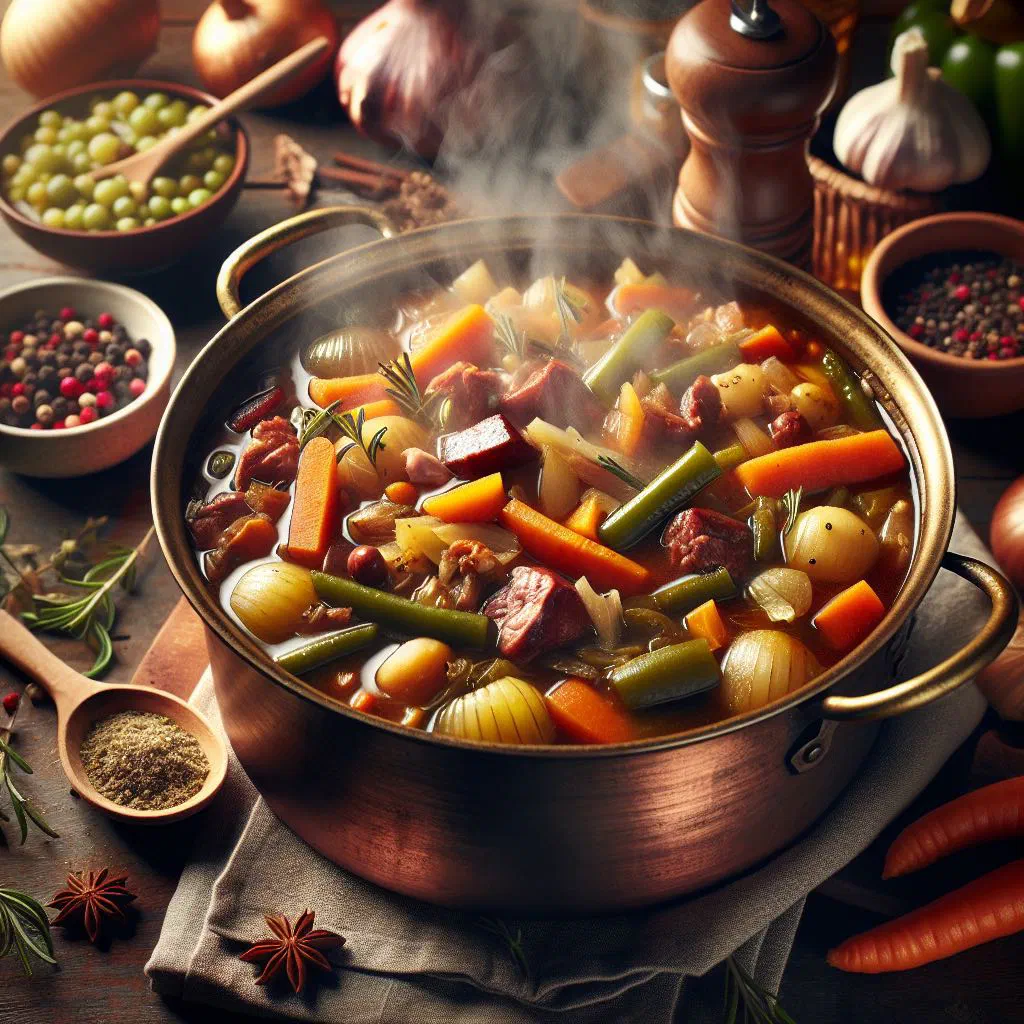
Meet Eintopf, the soul-warming one-pot stew that many regard as Germany’s national dish. Made for cold, blustery days, it brings together tender vegetables, hearty potatoes and an optional helping of meat in a single, generous pot. Simple to make and endlessly forgiving, it is the kind of dish that fills the kitchen with comfort and feeds the whole family from one big bubbling pan. Bring a little German cosiness straight to your own table.
About Eintopf
Eintopf is a hearty, traditional dish loved right across Germany. The name literally means “one pot”, and that is exactly the appeal: everything simmers together in a single vessel until rich and satisfying. It is a symbol of comfort and togetherness, often cooked in large quantities to feed a whole gathering. Beyond being deeply comforting, the dish is also remarkably versatile and easy to adapt, which is why no two households make it in quite the same way. Like many classics of German cuisine, it turns humble ingredients into something genuinely nourishing.
Ingredients (serves 1–2)
- 150g beef or sausages (optional, leave out for vegetarians/vegans)
- 2 potatoes
- 2 carrots
- 1 onion
- 1 clove of garlic
- 500ml vegetable stock or meat stock
- 100g green beans
- 200g white cabbage
- 2 tablespoons oil
- Salt and pepper to taste
Shopping for the ingredients
Choose fresh, good-quality ingredients to get the best possible flavour from your eintopf. Most of what you need is available in any ordinary supermarket, so there is no need to hunt down anything unusual. For a little something special, you might opt for organic produce, which often brings a fuller, more rounded taste to the finished stew. Seasonal root vegetables are particularly worth seeking out.
Preparing the dish
Peel the potatoes and carrots and cut them into bite-sized pieces so they cook through evenly. Finely chop the onion and the garlic. Slice the white cabbage into thin strips and cut the green beans into roughly 3cm lengths. With everything prepped and within easy reach, the cooking itself is wonderfully relaxed.
Step-by-step instructions
- Heat the oil in a large pot and brown the meat (if using) until nicely coloured. Lift it out and set it aside.
- Add the onion and garlic to the pot and sauté until translucent.
- Stir in the potatoes, carrots and white cabbage and fry everything for about 5 minutes.
- Pour in the stock and bring it all to the boil.
- Reduce the heat and let the stew simmer gently for 20–25 minutes, until the vegetables are tender.
- Return the meat to the pot, add the green beans and cook for a further 5–10 minutes.
- Season to taste with salt and pepper and serve straight away.
Gluten-free / lactose-free version
Eintopf is naturally gluten-free and lactose-free, which makes it a brilliant choice for guests with intolerances. Simply check that your stock and any sausages you add are certified gluten-free, as some processed products can contain hidden wheat. There is no dairy in the basic recipe, so it suits a lactose-free diet without any changes at all. That way everyone at the table can tuck in with confidence.
Tips for vegans and vegetarians
To make a fully vegetarian or vegan eintopf, replace the meat with tofu or an extra handful of beans, and use vegetable stock in place of meat stock. Take care to read the labels on any pre-made products, as stock cubes and sausages sometimes hide animal-derived ingredients. Fresh, seasonal vegetables are the real stars here, so lean on them for plenty of flavour and body. This classic adapts effortlessly to a plant-based table.
More tips and tricks
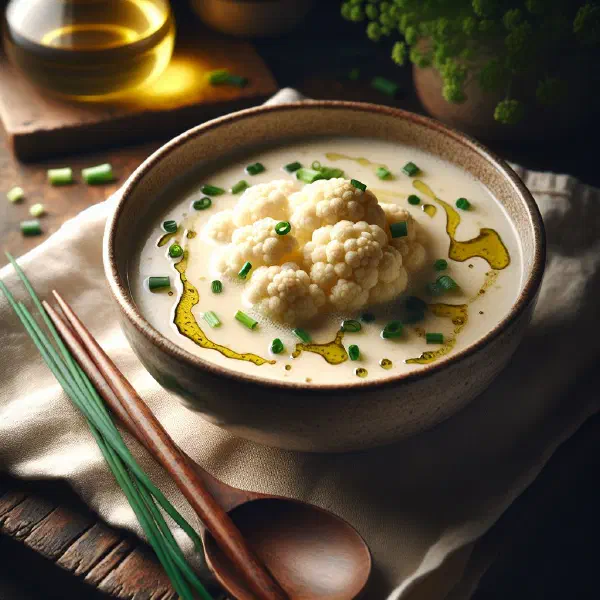
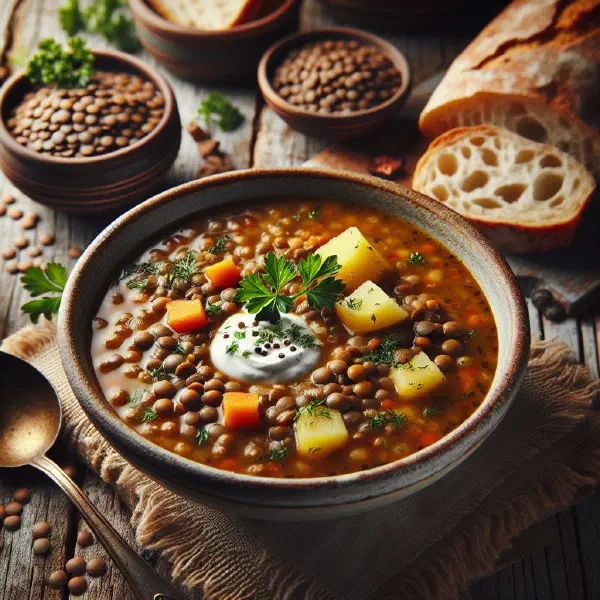
Feel free to experiment with different vegetables such as sweet potatoes, courgettes or cauliflower to ring the changes. A bay leaf or a sprig of thyme added to the pot lends a lovely depth of flavour as the stew simmers. Letting the eintopf rest for a while before serving, or even enjoying it the next day, often makes it taste even better, much like a good Swabian Lentil Stew. A final taste for seasoning just before serving never goes amiss.
Adapting the recipe to your taste
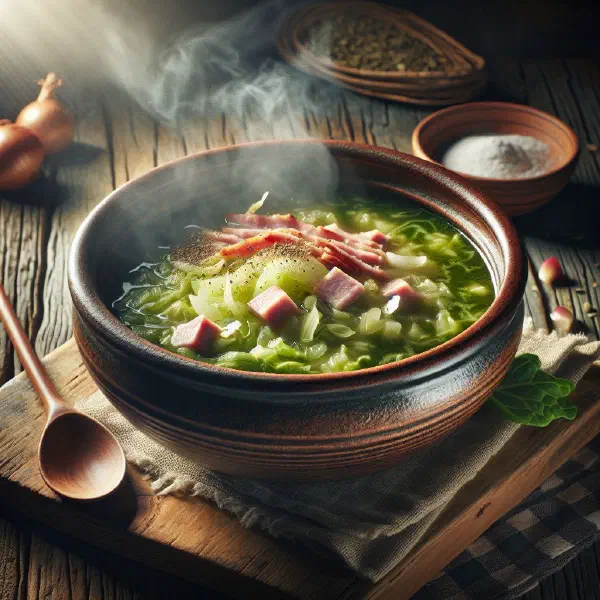
Eintopf is wonderfully flexible. Adjust the amount of stock and vegetables to make the stew thicker or thinner, exactly as you like it. Use more or fewer herbs and spices to tune the flavour to your own preference, and add a pinch of paprika or marjoram if you fancy a regional twist. This freedom is what makes the dish such a reliable family favourite, in the same comforting spirit as a Pea Stew with Bacon.
Ingredient substitutions
If certain ingredients are not to hand, there are plenty of easy swaps. Use savoy cabbage or pointed cabbage in place of white cabbage, or try peas or broccoli instead of green beans. Sweet potatoes can stand in for ordinary potatoes when you want a slightly sweeter, more colourful result. Substitutions like these let you work with whatever is in season, just as you would when building a Green Bean Stew.
Drink pairing ideas
A robust red wine or a cool beer pairs beautifully with this traditional stew and stands up well to its hearty character. For an alcohol-free option, a full-bodied apple juice or a warming herbal tea makes a lovely match. Sparkling water with a slice of lemon offers a clean, refreshing counterpoint to the richness of the dish. Choose whatever suits the occasion and the company.
Serving and presentation ideas
Serve the eintopf in deep, rustic bowls and scatter over fresh herbs such as parsley or chives for a pop of colour and freshness. A thick slice of crusty farmhouse bread on the side is the perfect finishing touch, ideal for mopping up every last spoonful. A simple wooden board with the bread and a little butter turns a humble stew into an inviting spread that feels generous and homely.
A bit of history
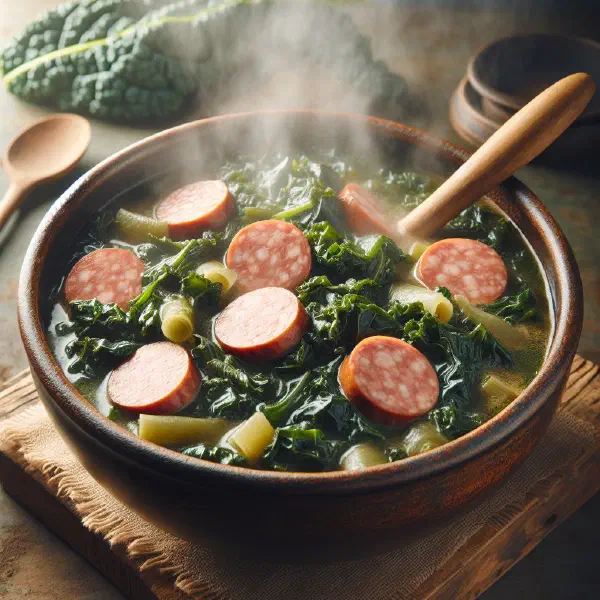
One-pot dishes have a long and proud tradition in Germany, where they were once cooked above all during the cold season to provide warmth and energy. Every region developed its own version, and the recipes were lovingly passed down from generation to generation. The dish gained particular prominence in the twentieth century as an everyday, economical meal, and to this day it remains a cherished part of German cuisine, much like the regional Potato and Savoy Cabbage Stew.
More recipe ideas
- Swabian Lentil Stew
- Pea Stew with Bacon
- Rhenish Bean Soup
- Pfannenschlag Pork Stew
- Potato Soup with Vienna Sausages
Summary: Eintopf
Eintopf is far more than a simple stew; it is a bowlful of comfort that captures the warmth and hospitality of German home cooking. With the right ingredients and a little care in the kitchen, this versatile classic is sure to become a firm favourite in your home too. It is perfect for chilly days and ideal for feeding the whole family from one generous pot. Experiment a little, make it your own, and let this hearty German classic earn its place on your table.