National Dish Germany: Elderflower Jelly (Recipe)
In this article
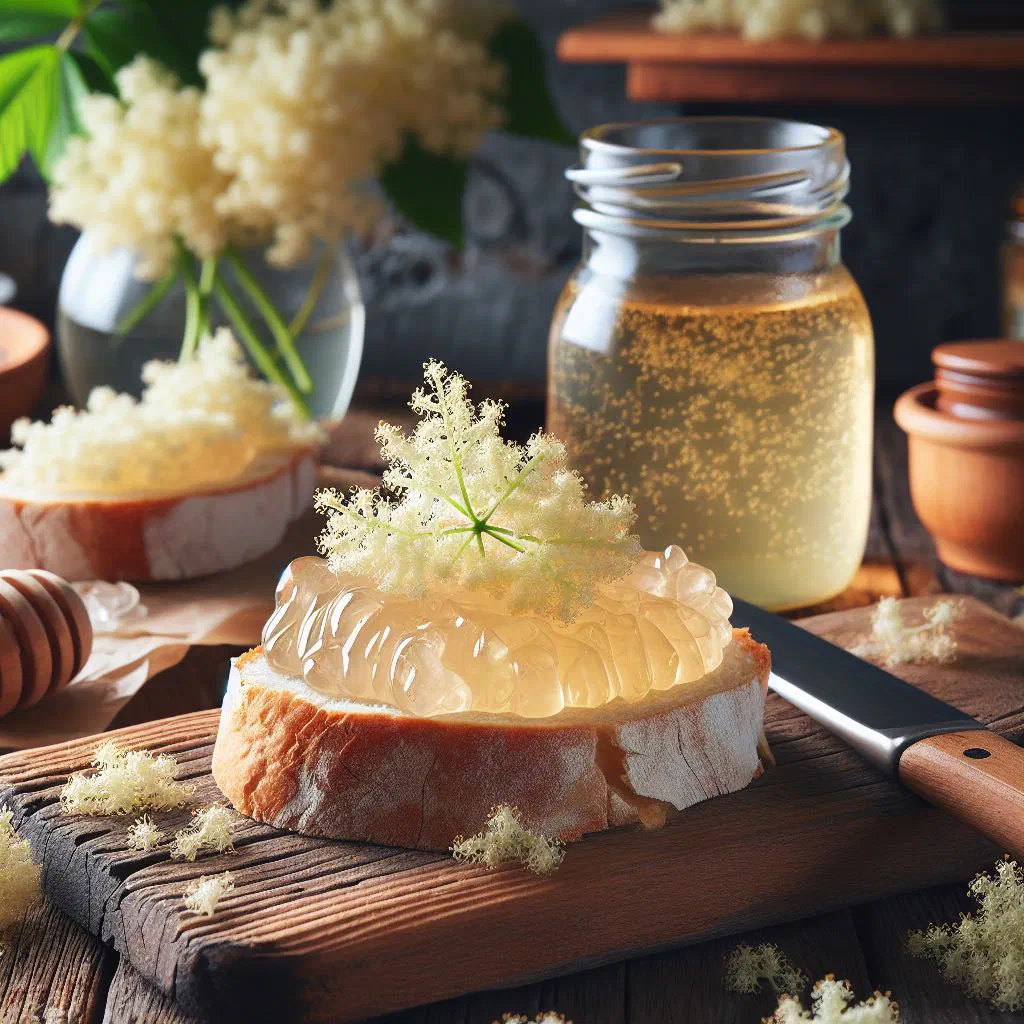
Discover Elderflower Jelly, a delicate German springtime treat that captures the very essence of the season in a jar. Made from the fragrant white blossoms of the elder tree, this golden jelly carries a gentle, floral aroma that is hard to resist. Whether spread over fresh bread or used to finish off a dessert, it brings a taste of spring straight to the table. Let nature inspire you and savour the unmistakable flavour of this homemade delicacy.
About Elderflower Jelly
Elderflower Jelly is a true delicacy that sets the hearts of food lovers racing, especially in spring. The tender white blossoms of the elder tree are used for this recipe, lending the jelly a unique, floral aroma. This jelly delivers the flavour of spring right to your table. Let yourself be inspired by nature and enjoy the distinctive taste of this homemade treat, a wonderful example of seasonal German cuisine.
Ingredients (serves 1–2)
- 10–15 elderflower heads
- 500 ml water
- 500 g sugar
- 1 sachet of setting agent (e.g. 2:1 or 3:1 jam sugar)
- Juice of half a lemon
Shopping for the ingredients
The best time to gather everything for your elderflower jelly is during the spring months, when the elderflowers are in full bloom. Fresh elderflowers are ideally foraged in the wild, but take care to pick only from unpolluted spots, well away from traffic and pesticides. The remaining ingredients, such as sugar, setting agent and lemons, are available in any well-stocked supermarket. It is also worth browsing regional markets, where you will often find the freshest produce.
Preparing the dish
Preparing Elderflower Jelly could hardly be simpler or quicker. First, gently tap the elderflower heads to remove any insects. Do not rinse the blossoms, as they would otherwise lose their wonderful aroma. Make sure you have a large enough pan and sterilised preserving jars ready so you can pour the jelly straight in once it is cooked. These small preparations are the first step towards a delicious result.
Step-by-step instructions
- Bring the elderflowers to the boil in a large pan with the water and let them steep for about 10 minutes.
- Take the pan off the heat and leave the mixture, covered, to infuse for at least 24 hours.
- Strain the liquid through a fine sieve or a cloth and return it to a clean pan.
- Add the sugar, setting agent and lemon juice, then stir everything together well.
- Bring the mixture back to a rolling boil for 4–5 minutes, until it reaches the consistency you want.
- Pour the jelly hot into the sterilised jars and seal immediately.
Gluten-free / lactose-free version
Elderflower jelly is naturally both gluten-free and lactose-free. The recipe calls for no special ingredients that contain gluten or lactose. Do, however, check that the setting agent you use does not contain added wheat starch or other gluten-containing additives. That way, nothing stands between every food lover and the pleasure of this jelly.
Tips for vegans and vegetarians
The ingredient list for elderflower jelly is perfectly suited to vegans and vegetarians, since it relies solely on natural plant-based components. The setting agent, however, should be chosen as a vegan option, such as agar-agar or a plant-based gelling paste. This way, vegans too can enjoy the full flavour of this delicious jelly without compromising on their principles, a lovely touch that makes it appealing to a wide range of guests.
More tips and tricks
A few extra tips and tricks can help you make your elderflower jelly even better. Try to gather the elderflowers early in the morning, as this is when they are at their most aromatic. If you like, you can add further flavours, such as fresh mint or a dash of vanilla extract, to give the jelly your own twist. A well-sterilised jar keeps the jelly fresh for a long time, which is especially important if you plan to make larger batches.
Adapting the recipe to your taste
The recipe for elderflower jelly is easy to adjust to your own preferences. If you like it less sweet, you can cut the sugar right back or even use an alternative sweetener. The cooking time can be varied too, depending on how firm you like your jelly. Experimenting and tasting as you go are the keys to a result that suits your personal taste exactly.
Ingredient substitutions
If you do not have every ingredient to hand, there are plenty of alternatives. The sugar, for example, can be replaced with honey or agave syrup to give the jelly a different kind of sweetness. When it comes to the setting agent, you can fall back on homemade pectin made from apples or pears. The ratio of elderflowers to water can also be adjusted to taste, lending the jelly an individual note. The same homemade preserving spirit shines in Hamburg Red Berry Pudding.
Drink pairing ideas
Elderflower jelly pairs beautifully with a range of drinks. A cup of freshly brewed herbal tea or a glass of sparkling wine make perfect companions. You could also prepare a refreshing elderflower lemonade to match the jelly. When entertaining guests, your elderflower jelly served alongside a well-chosen drink is sure to become the star of the evening. It also makes a charming partner to a slice of German Cheesecake or Rhubarb Cake.
Serving and presentation ideas
Presentation is everything, even with a homemade elderflower jelly. Use pretty preserving jars and decorate them with colourful ribbons or labels noting the date and contents. Small blossoms can serve as decoration too, adding a fresh touch. A nicely laid table with homemade treats and drinks will help your guests feel instantly at ease and savour the jelly to the full.
A bit of history
The history of the elder reaches far back, and in many cultures it is regarded as a sacred plant. In folk medicine, elderflowers were traditionally valued for their healing properties. They are used in natural medicine and even in cosmetic products. By turning the blossoms into jelly, this old tradition is revived and preserved for the next generation. A little piece of history thus sweetens not only the palate but the cultural backdrop too.
More recipe ideas
Summary: Elderflower Jelly
Homemade Elderflower Jelly is a real treat that brings the authentic flavour of spring into your kitchen. With just a handful of ingredients and a simple method, you can create a delicious jelly that is endlessly versatile. Whether spread on fresh bread or used as a refined finishing touch for desserts, elderflower jelly is an absolute must-try.