National Dish Germany: Fish Soljanka (Recipe)
In this article
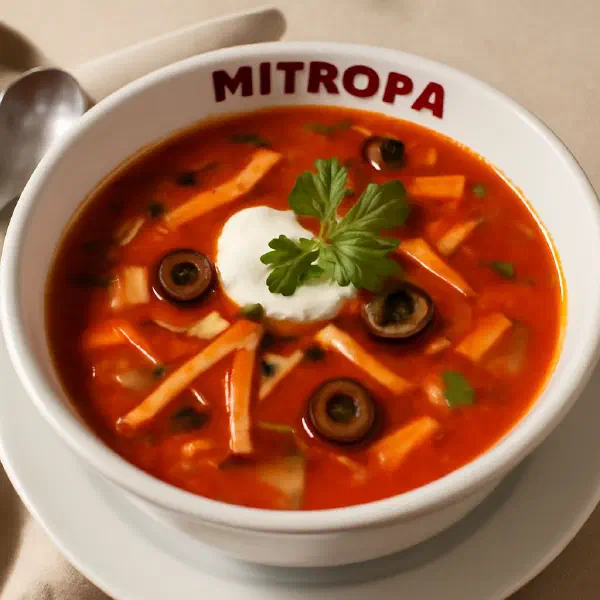
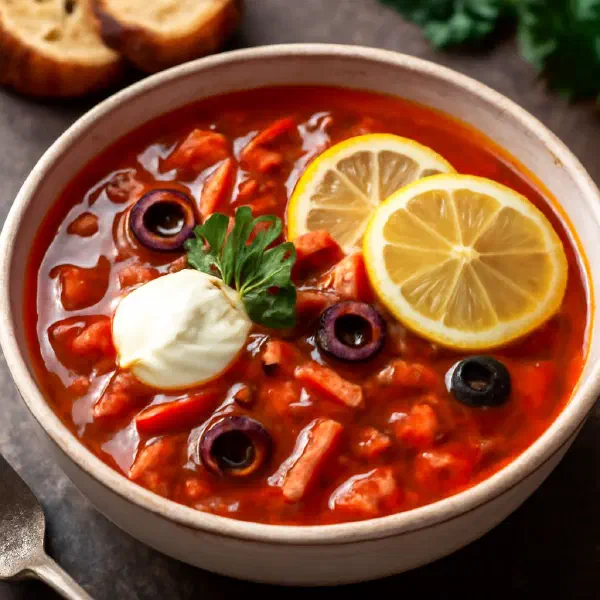
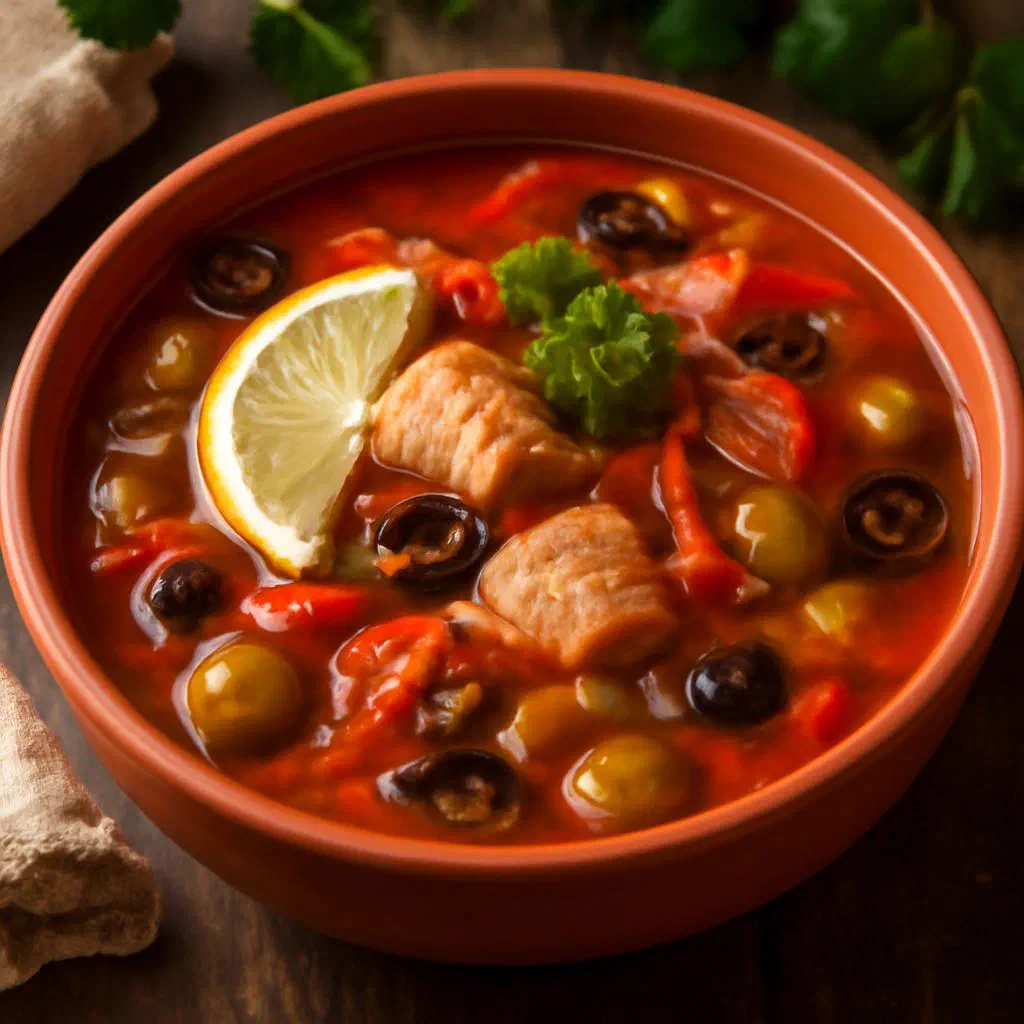
Warming, tangy and gently spiced, Fish Soljanka is one of the great comfort foods of the former East German kitchen. This hearty soup brings together flaky white fish, gherkins and a rich tomato broth, all balanced by a pleasant sour note that keeps every spoonful lively. It comes together quickly with everyday ingredients, yet tastes anything but ordinary, the perfect bowl for a chilly evening or a fuss-free supper that still feels special.
About Fish Soljanka
Fish Soljanka is a tangy, savoury soup widely known as a GDR classic that still wins people over with its distinctive character. The hallmark is the interplay of fish, gherkins, tomatoes and a gently piquant broth that warms you from the inside out. It is an ideal choice when you want a quick, filling meal that nonetheless stays aromatic and full of variety. A few small adjustments let you tailor the soljanka to different tastes without ever losing its traditional spirit.
Ingredients (serves 1–2)
For a successful Fish Soljanka it helps to have everything prepared and to hand before you start, so the cooking moves along briskly. Pay particular attention to the quality of the fish and the gherkins, as they shape the underlying flavour. The quantities are judged to give you one large or two smaller portions, depending on appetite. If you like it punchier, you can fine-tune the acidity and heat right at the end.
- 200–250 g fish (such as cod, coley or pollock; smoked fish also works if you prefer)
- 1 small onion
- 1 small carrot (optional, for extra sweetness and colour)
- 1–2 gherkins plus 2–3 tablespoons of the pickle brine
- 1 tablespoon tomato purée
- 200 ml passata or chopped tomatoes
- 400–500 ml fish stock or vegetable stock
- 1 bay leaf
- 3–5 peppercorns (or freshly ground pepper)
- 1–2 tablespoons oil or butter (as you like)
- Salt and paprika (sweet or hot, to taste)
- 1–2 slices of lemon (for seasoning and serving)
- 1–2 tablespoons soured cream or crème fraîche (optional, to serve)
- Dill or parsley (optional)
Shopping for the ingredients
When shopping, the single most important decision is the choice of fish, as it determines both texture and aroma in the soljanka. Fresh, firm fish such as cod or coley holds together well, while smoked fish brings a robust, savoury depth. Look for gherkins that are pleasantly sour and crisp, because the gherkin and its brine are a central carrier of flavour. If you cannot find fish stock, a good vegetable stock makes a solid base that you can coax in a more fishy direction with lemon juice and seasoning.
Preparing the dish
A little careful preparation stops the soljanka from boiling over or the fish from cooking too long. Dice the onion and the optional carrot finely so they soften quickly and round out the broth. Cut the gherkins into small dice too, so their acidity is spread evenly and there is a little in every spoonful. Cut the fish into bite-sized pieces and season it only lightly, since the broth, pickle brine and tomato purée already bring plenty of seasoning to the pot.
Step-by-step instructions
- Heat the oil or butter in a pan and gently sweat the onion (and optional carrot) over medium heat for 3–5 minutes, until softened and glassy.
- Add the tomato purée and let it cook for 1 minute so it tastes less sharp and gains more depth.
- Stir in the passata and bring briefly to the boil so the tomato and purée meld together.
- Pour in the fish stock or vegetable stock, add the bay leaf and pepper, and let it simmer gently for 8–10 minutes.
- Stir in the gherkins and 2 tablespoons of pickle brine, then simmer for a further 3–5 minutes.
- Add the fish pieces and let them poach gently for just 4–7 minutes, until the fish is only just cooked through.
- Season with salt, pepper and paprika, plus extra pickle brine or a little lemon juice as needed.
- Let it rest for 5 minutes before serving and finish, if you like, with dill and a spoonful of soured cream.
Gluten-free / lactose-free version
Fish Soljanka is naturally gluten-free in most cases, as long as you avoid thickened stocks or seasoned products with hidden flour. Check the labels on stock, fish fond and tomato products, because they can occasionally contain wheat ingredients or flavour carriers. For a lactose-free version, simply leave out the soured cream or swap it for a lactose-free alternative, such as lactose-free crème fraîche or a plant-based cooking cream. The cooking fat is just as easy to manage: use oil instead of butter and the pot is entirely free of lactose.
Tips for vegans and vegetarians
The idea behind soljanka works well even without fish, since its signature character comes largely from tomato, gherkin and the sour-savoury base. For a vegetarian version you can replace the fish with smoked tofu or fried mushrooms, which add a hearty note. It works vegan too: use a robust vegetable stock and round it off with a measured splash of soy sauce or a little miso to build umami. The key is to balance the acidity carefully, so the soup tastes harmonious and full-bodied despite the substitutes, much as you would balance the flavours in a Green Bean Stew.
More tips and tricks
If you want more depth, sweat the onions a little longer until they begin to caramelise, as this brings roasted notes into the broth. It also helps enormously not to let the fish boil furiously but only to poach, so it stays tender and does not fall apart. For a fuller, “rounder” soljanka it is worth working in a tiny amount of lemon zest at the end, since the aroma is more intense than juice alone. If the soup has turned out too sour, a small correction with a little tomato, a pinch of sugar or more stock helps, rather than reaching for the salt.
Adapting the recipe to your taste
Fish Soljanka is easy to adjust so it suits your personal taste without losing its characteristic direction. If you like it hotter, add chilli, a little cayenne or hot paprika, building the intensity gradually so it does not bury the acidity. For a milder version, reduce the pickle brine and lean more heavily on tomato and stock so the soup feels softer. The consistency is variable too: with more fish and less liquid it becomes more of a stew, while with more stock you get a classic, clear soljanka.
Ingredient substitutions
If you do not have a suitable white fish to hand, salmon or trout work as well, though they are fattier and more dominant in flavour. Instead of gherkins you can use sour pickled cucumbers at a pinch, but dose the brine more cautiously and help it along with a little lemon. Tomato purée can in an emergency be replaced with a little more passata, though the roasted note becomes less pronounced, so the paprika and onion take on a bit more weight. As for herbs, dill and parsley are ideal, but chives can add a fresh note too without altering the underlying flavour.
Drink pairing ideas
A tangy fish soljanka calls for drinks that either temper the acidity or keep pace with the piquant notes. A dry wheat beer or a lean Pilsner pairs nicely, as it cleanses the palate without being too sweet. If you prefer wine, a dry Riesling or Silvaner is a good bet, since the freshness suits the gherkin and lemon. For something alcohol-free, sparkling water with lemon or an unsweetened iced tea make fitting companions, as they do not compete with the tomato.
Serving and presentation ideas
For an attractive presentation it is worth serving the soljanka in pre-warmed bowls, so it stays hot longer and its aroma comes through better. A spoonful of soured cream in the centre provides contrast and visually calms the dish, while a few sprigs of dill signal freshness. A thin lemon slice on the rim, or a small wedge that each diner can squeeze over to taste, looks very classic. If you want it especially inviting, serve it with dark bread or a slice of Rye Bread, as it complements the savoury broth beautifully.
A bit of history
Soljanka is at heart a sour-savoury soup that has taken on different forms across various regions and kitchens, and in the GDR it was prized above all as an everyday, aromatic dish. The combined acidity of gherkin, brine and often lemon too is typical, ensuring the soup never feels heavy despite its robust ingredients. In many households soljanka was also a welcome way to use up leftovers, such as different kinds of fish or small quantities of vegetables. It is precisely this flexible nature that keeps Fish Soljanka popular to this day, at once traditional and full of room to play. It sits comfortably alongside the regional soups of German cuisine, from the north to the east.
More recipe ideas
Summary: Fish Soljanka
Fish Soljanka wins you over with its signature combination of tomato, gherkin and a savoury broth that you can fine-tune to perfection with lemon juice and seasoning. With just a few ingredients it makes a dish that works equally well as a quick supper or as a warming meal on cool days. Most important of all is to poach the fish gently, so it stays succulent and the soup keeps a pleasant texture. Thanks to a few simple adjustments, the recipe is also easily made gluten-free and, if you wish, lactose-free, without losing its characteristic flavour.