National Dish Germany: Frikadellen (Recipe)
In this article
Uncover the secret to truly delicious Frikadellen, Germany’s much-loved national dish of pan-fried meatballs. Crisp on the outside, juicy within and packed with savoury flavour, these little patties are a cornerstone of home cooking up and down the country. Serve them warm with potato salad, tucked into a bread roll, or simply on their own. With this easy recipe, a plate of golden, satisfying Frikadellen is well within reach for any cook.
About Frikadellen
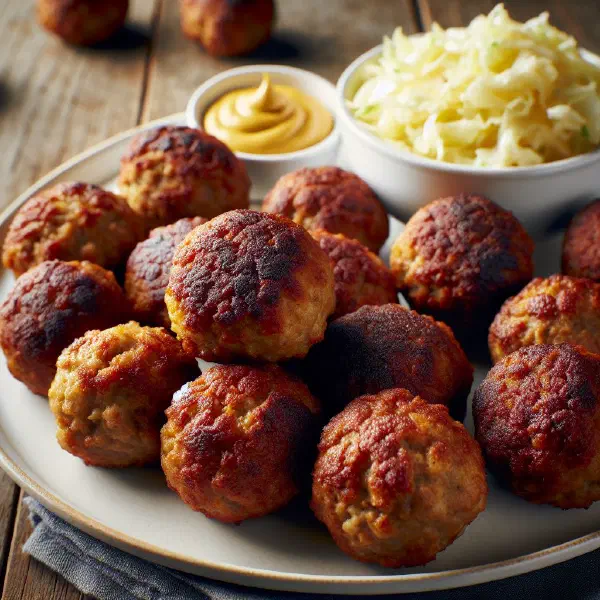
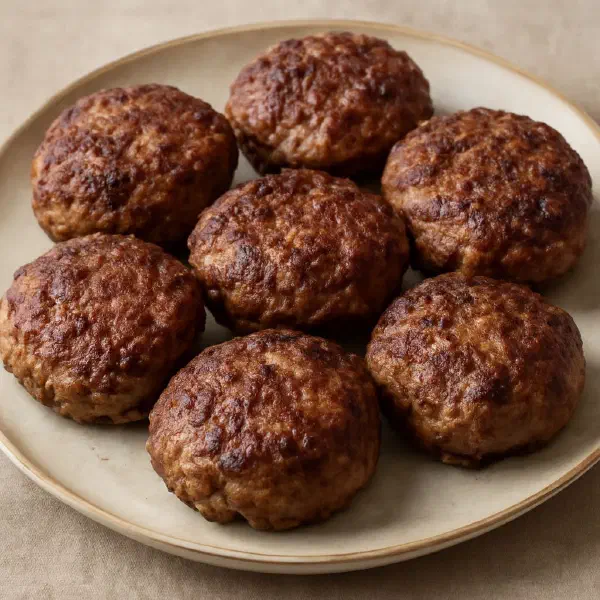
Frikadellen are among the most popular dishes in Germany and a genuine national favourite. These small meat patties, made from minced meat, are tasty and wonderfully versatile in the kitchen. Stuffed into a bread roll or eaten plain, Frikadellen are always a treat. They turn up at picnics, buffets and family dinners alike, and the beauty of the dish lies in its simplicity, a handful of everyday ingredients transformed into proper comfort food.
Ingredients (serves 1–2)
- 250g minced meat (mixed pork and beef, or beef)
- 1 egg
- 1 small onion
- 1 stale bread roll
- Salt and pepper
- Mustard (optional)
- Fresh herbs (parsley or other, optional)
Shopping for the ingredients
When shopping for the ingredients for Frikadellen, it pays to keep an eye on quality. Use fresh minced meat, ideally one that will be cooked on the same day you buy it. A stale bread roll is what gives the patties their perfect texture, so it should not be fresh from the bakery. As for the herbs, feel free to vary them and add whichever flavours you like best, parsley is traditional, but chives or chervil work nicely too.
Preparing the dish
Before you start making the Frikadellen, soak the bread roll in water and then squeeze it out well so it does not make the mixture soggy. Finely chop the onion and have all your ingredients ready to hand. It helps to set up a tidy work surface and gather all the utensils you will need before you begin. That way the preparation runs smoothly and you can give your full attention to the cooking.
Step-by-step instructions
- Squeeze out the soaked bread roll and place it in a bowl.
- Add the minced meat, egg, chopped onion, salt, pepper and mustard.
- Optionally, add herbs such as parsley.
- Knead everything together thoroughly until you have an even mixture.
- Shape the mixture into small balls and flatten each one slightly into a patty.
- Heat oil in a frying pan and cook the Frikadellen for 4–5 minutes on each side, until golden brown.
Gluten-free / lactose-free version
For a gluten-free version of Frikadellen, swap the bread roll for gluten-free bread or oats. Just make sure that all your seasonings and the mustard are gluten-free too. If you need to avoid lactose, the good news is that this simple recipe contains no dairy at all, so it is naturally lactose-free as written. There is no need to make any changes.
Tips for vegans and vegetarians
Lovers of plant-based cooking need not miss out on Frikadellen either. Replace the minced meat with plant-based mince, or a mixture of lentils and oats. The egg can be swapped for a mashed banana, or for soya flour mixed with water as a binding egg substitute. The result is delicious vegetarian Frikadellen that taste every bit as good as the original and hold together beautifully in the pan.
More tips and tricks
The perfect Frikadelle has a crisp outside and a juicy centre. Take care not to add too much bread or other filler, so the texture stays just right. You can also experiment. Try mixing grated cheese into the mixture, for instance. A little nutmeg or paprika can give your Frikadellen a special note, much as warm spices lift a hearty plate of Bavarian Meatloaf.
Adapting the recipe to your taste
The recipe for Frikadellen is easy to adjust to suit your own preferences. If you like things a little spicier, add a pinch of chilli powder. Fond of the flavour of garlic? Then stir in one or two crushed cloves. You can also use herbs of your choice, such as coriander or chives, to give the dish a personal touch and make it truly your own.
Ingredient substitutions
If you would rather not use minced meat, there are plenty of alternatives to hand. Try ground nuts or tofu instead. Vegetable mixtures, such as a courgette-and-carrot blend, also work well, the same wholesome approach that gives Eifel Potato Pancakes their appeal. Substitutions like these let you enjoy Frikadellen meat-free and put a lighter, healthier version on your plate.
Drink pairing ideas
Many drinks go well with Frikadellen, from beer to alcohol-free options. A fresh Pils or a chilled shandy harmonises nicely with the hearty, savoury flavours. If you prefer something without alcohol, apple spritzer or sparkling mineral water are both good choices. A lightly chilled white wine can make for a lovely combination too, balancing the richness of the patties.
Serving and presentation ideas
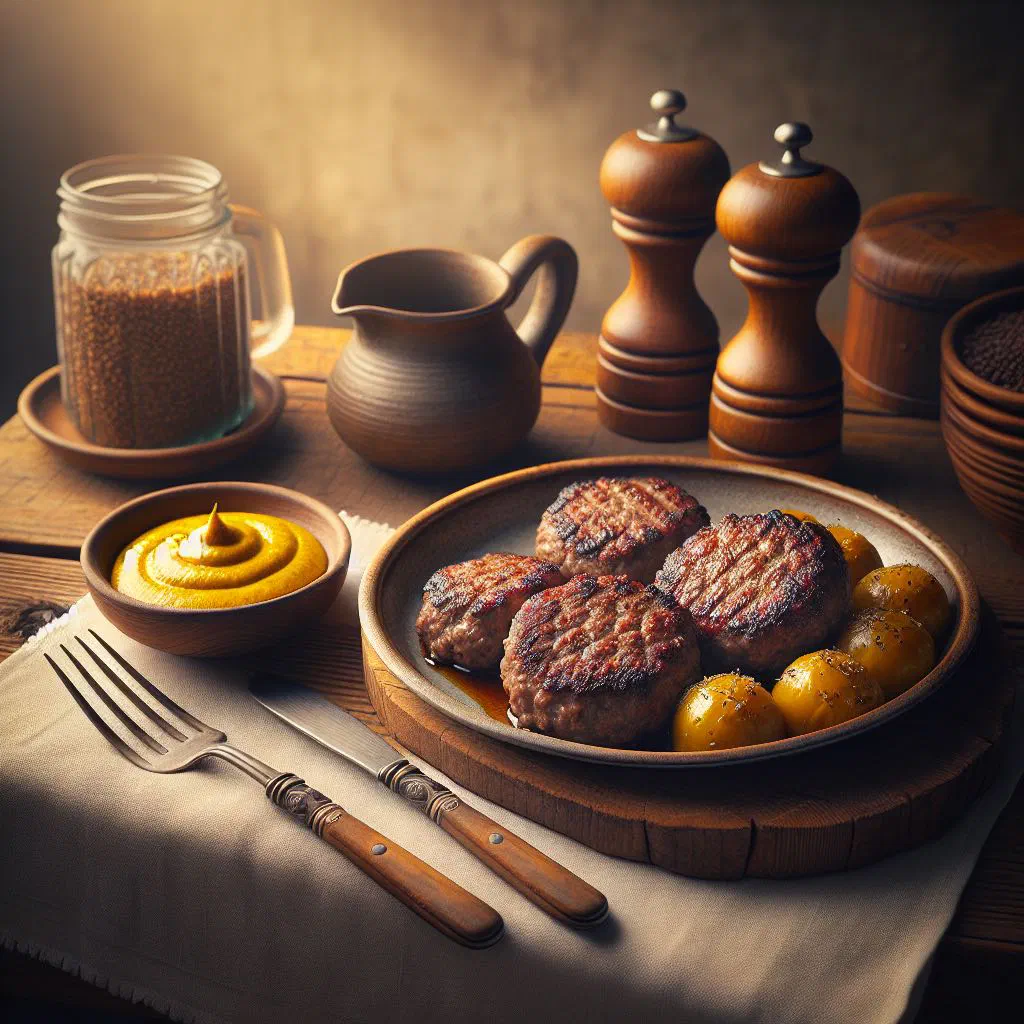
Serve your Frikadellen on a handsome wooden board or a rustic plate for an especially appealing look. Good accompaniments include Bamberg Potato Salad, a fresh green salad or a Rye Bread roll. Garnish with fresh herbs such as parsley or chives. Pickled gherkins or a dollop of mustard round things off perfectly.
A bit of history
Frikadellen have a long tradition in German cuisine and have been known since the 17th century. They were originally made from leftover meat, often stretched out with bread and seasonings to make the most of what was available. The dish’s popularity has endured over the centuries, and there are many regional variations. From “Buletten” in Berlin to “Fleischküchle” in southern Germany, Frikadellen are an inseparable part of German cuisine.
More recipe ideas
Summary: Frikadellen
Frikadellen are a delicious and endlessly adaptable dish that no kitchen in Germany would be without. With this easy recipe and the many tips and tricks above, the preparation could hardly be simpler. Whether classic, gluten-free, vegan or a little experimental, the possibilities are endless. Give them a go and enjoy a piece of German food culture on your own plate.