National Dish Germany: Gaisburger Marsch (Recipe)
In this article
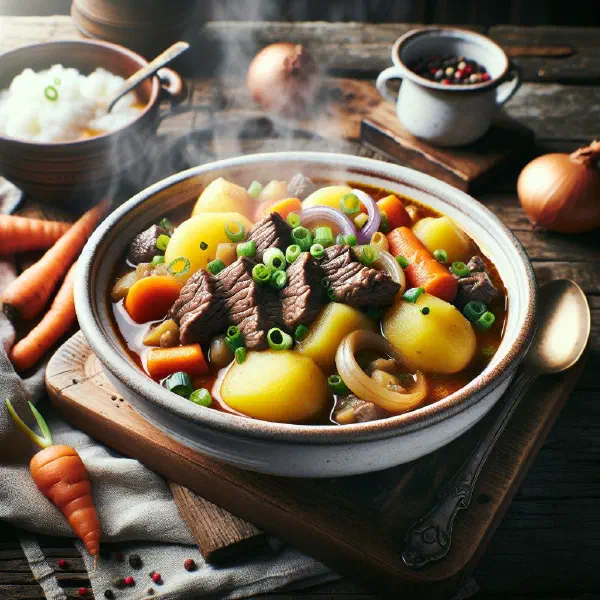
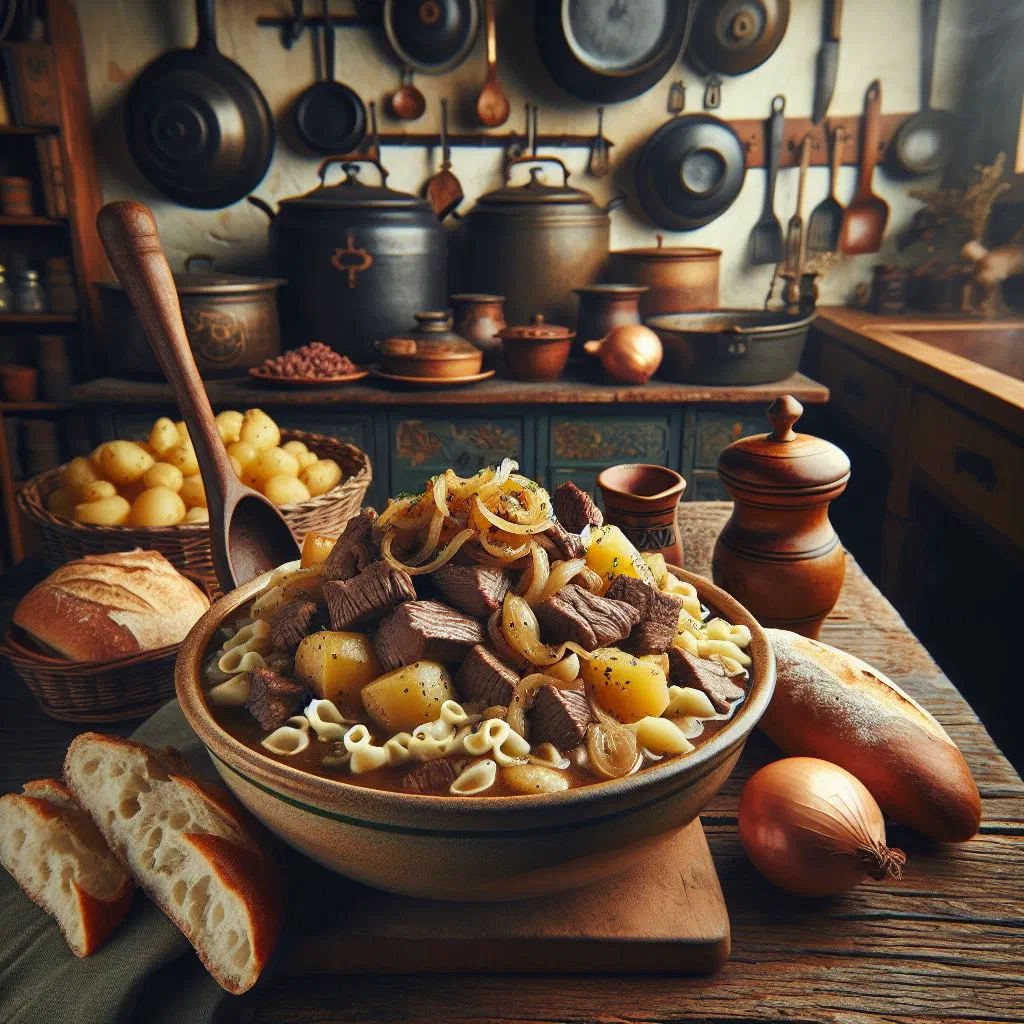
Meet Gaisburger Marsch, the hearty Swabian stew that has been warming hearts in and around Stuttgart for generations. Tender beef, sweet root vegetables and the unmistakable little egg noodles known as Spätzle come together in a rich beef broth to make one of southern Germany’s most beloved comfort dishes. Once the everyday fare of factory workers, it is now a cherished classic served in country inns across Baden-Württemberg. Bring a bowl of genuine Swabian soul to your own table.
About Gaisburger Marsch
Gaisburger Marsch is a traditional Swabian stew that takes its name from Gaisburg, a district of Stuttgart. It combines tender beef, savoury root vegetables and, above all, the typical Swabian Spätzle. The dish is hearty, nourishing and a genuine taste of Swabian character. In times past it was eaten mainly by workers and labourers, but today it is a much-loved staple of regional cooking right across Baden-Württemberg. Like the Swabian Lentil Stew, it is the sort of one-pot meal that rewards slow cooking and generous portions.
Ingredients (serves 1–2)
- 300 g beef (shoulder or shin work well)
- 3 medium potatoes
- 1 carrot
- 1/2 celeriac
- 1 onion
- 1 litre beef stock
- 2 tbsp oil or clarified butter
- Salt and pepper, to taste
- Fresh parsley, to garnish
- 200–250 g fresh Spätzle (homemade or from the chiller cabinet)
Shopping for the ingredients
Good beef is the key to an authentic Gaisburger Marsch, so it is well worth a trip to the butcher. Fresh root vegetables and a robust beef stock give the stew its characteristic depth of flavour. The Spätzle should be as fresh as possible, homemade are ideal, but good ready-made Spätzle from the chiller cabinet work very well too. Most of what you need is easy to find in a regular supermarket, while authentic Spätzle are a speciality of German cuisine and can also be ordered online.
Preparing the dish
Cut the beef into bite-sized cubes. Peel the vegetables and chop them into pieces, keeping the potatoes a little larger so they hold their shape rather than falling apart. Finely dice the onion. You can either make the Spätzle fresh or cook them later in boiling water.
Step-by-step instructions
- Heat the oil or clarified butter in a large pot and brown the beef well on all sides.
- Add the diced onion and fry briefly with the meat.
- Pour in the beef stock, bring to the boil and leave to simmer over medium heat for around 60–75 minutes.
- Add the prepared vegetables (carrot, celeriac and potatoes) and cook for a further 20–25 minutes, until everything is tender.
- Meanwhile, cook the Spätzle in plenty of salted water, drain, and stir them into the stew just before serving.
- Season with salt and pepper and scatter over the fresh parsley.
- Serve piping hot, ideally with a dollop of mustard on the side.
Gluten-free / lactose-free version
For a gluten-free version, use gluten-free Spätzle made from buckwheat or maize. The dish is otherwise naturally lactose-free, as long as no dairy products are added. That way anyone with a gluten or lactose intolerance can still enjoy a proper bowl of this Swabian classic without missing out.
Tips for vegans and vegetarians
For a vegan variation, swap the beef for smoked tofu, seitan or lentils and use a good vegetable stock in place of the beef stock. The Spätzle can be made without egg too. Even without meat the stew stays wonderfully aromatic, drawing all its richness from the slow-cooked vegetables and seasoning.
More tips and tricks
- Let the Marsch simmer a good while longer than you might expect — the longer it cooks, the better the flavour becomes.
- Add the Spätzle only just before serving so they do not turn too soft in the broth.
- Many Swabians serve a spoonful of sweet mustard alongside, which lifts the whole dish.
Adapting the recipe to your taste
You can add leek or extra celeriac for more body. If you like a more robust flavour, brown the meat more deeply or stir a little tomato purée into the pot. The amount of Spätzle can be increased or reduced depending on how hungry you are, so the stew is easy to scale to suit the table.
Ingredient substitutions
In place of the beef, you can use stewing beef or beef shin for an equally tender result. If you do not care for Spätzle or have none to hand, you can serve the stew with potatoes alone, though, as with the noodle-rich Swabian Lentils with Spätzle, the Spätzle are very much part of the classic. Substitutions like these let you adapt the recipe to what is in season or simply to what is in your kitchen.
Drink pairing ideas
A cold beer, a Swabian Helles or a wheat beer, for example, goes beautifully with the hearty flavour. A dry Trollinger, the region’s own red wine, makes an equally fitting choice, while a robust apple juice is a lovely non-alcoholic option that harmonises well with the savoury broth.
Serving and presentation ideas
Serve the Gaisburger Marsch in deep plates or soup bowls. Scatter over fresh parsley and arrange a few Spätzle on top for an inviting finish. Some fresh farmhouse bread or a couple of soft pretzels alongside round out the meal, much like the warm crust you would tear into with a Pretzel.
A bit of history
The Gaisburger Marsch hails from the working-class Gaisburg quarter of Stuttgart, where it began life as an inexpensive meal for labourers and craftsmen. Over time it has become a recognised classic of Swabian cooking, and today it can be found on the menu of almost any traditional Swabian inn, a humble dish that has earned a proud place in the regional table.
More recipe ideas
Summary: Gaisburger Marsch
Gaisburger Marsch is a hearty Swabian stew of tender beef, sweet root vegetables and, above all, the indispensable Spätzle. Filling, warming and full of flavour, it is a genuine taste of the Swabian homeland. With this recipe you can bring the classic to your own table just as it should be, a comforting bowlful that captures the soul of German regional cooking.