National Dish Germany: GDR Stew (Recipe)
In this article
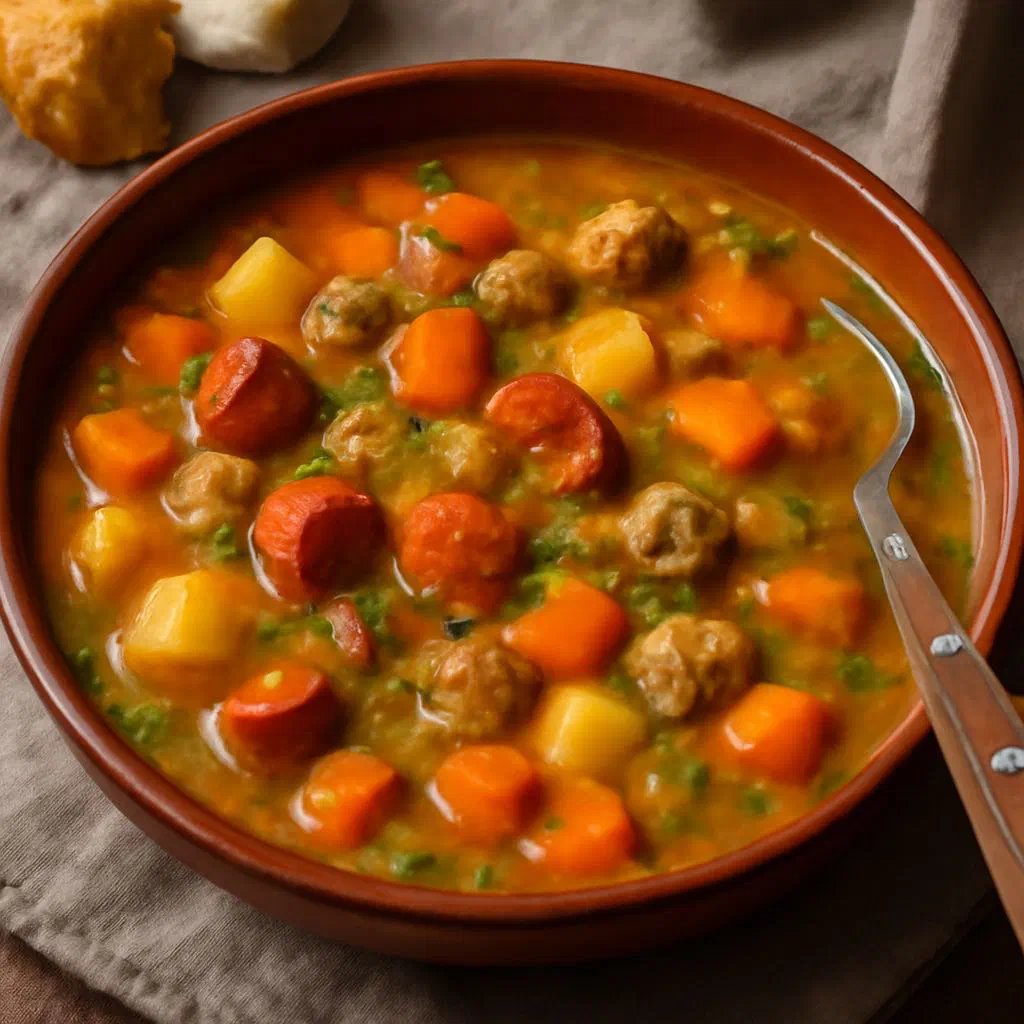
Few dishes capture honest, everyday German cooking quite like a GDR stew. Born of thrift and practicality, this one-pot supper turns a handful of humble ingredients, potatoes, soup vegetables and a little sausage, into something genuinely satisfying. It is filling, forgiving and gentle on the budget, and it tastes even better the next day once the flavours have had time to settle. Bring a little bit of old East German home cooking to your own table.
About GDR Stew
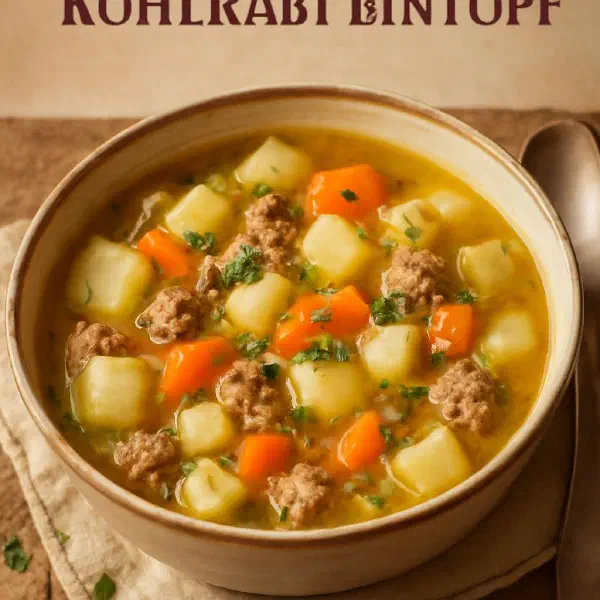
A GDR stew is, for many, the very definition of plain, hearty home cooking: filling, fuss-free and perfect for feeding a crowd from just a few ingredients. In the former East Germany, stews were popular because they were inexpensive and could be put together from whatever happened to be on hand. The classic combination of potatoes, soup vegetables and a bit of sausage or pulses gives the dish a rounded, robust flavour. Better still, this stew often tastes even better the following day, once the aromas have had time to mingle.
Ingredients (serves 1–2)
- 300 g potatoes (floury or mostly waxy)
- 1 carrot
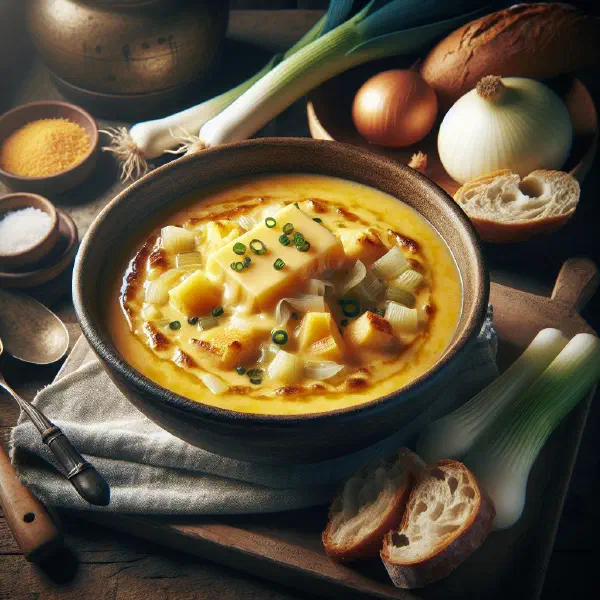
- 1/2 leek
- 1 small onion
- 1 small slice of celeriac (optional, but very aromatic)
- 80–120 g bockwurst or frankfurters (or sliced ham sausage)
- 700 ml vegetable or meat stock
- 1 tbsp oil or lard
- 1 bay leaf (optional)
- Salt, pepper, marjoram (or parsley)
Shopping for the ingredients
For a successful GDR stew, it is worth seeking out fresh soup vegetables, as they carry much of the flavour in the broth. Here the potatoes are far more than a side: they add body and make the stew genuinely filling, especially if you lightly mash a few of them later on. For the sausage you can choose between classic bockwurst, frankfurters or ham sausage, depending on how savoury you like things. If you are buying ready-made stock, look for the shortest possible ingredients list and, if needed, pick a gluten-free version straight away.
Preparing the dish
The prep is quick to do, but it pays off in the final texture and flavour. Peel the potatoes and cut them into even pieces so they cook through at the same rate and do not fall apart. Trim and clean the carrot, leek, onion and optional celeriac, then chop them into bite-sized pieces, finer dice will release their aroma more quickly. Hold off on slicing the sausage until later, or add it right at the end, so it does not leach out and stays juicy.
Step-by-step instructions
- Sweat the onion in a pot with oil or lard over medium heat until translucent.
- Add the carrot, leek and optional celeriac and cook for 2–3 minutes until fragrant.
- Stir in the potatoes, sweat briefly, then pour over the stock.
- Add the bay leaf, bring to the boil and leave to simmer gently for 15–20 minutes until the potatoes are tender.
- Slice the sausage and warm it through for the last 5 minutes (do not let it boil hard).
- Season with salt, pepper and marjoram; for a thicker stew, lightly mash a few potato pieces.
Gluten-free / lactose-free version
A classic stew is often already gluten-free, as long as you avoid gluten-containing thickeners or certain ready-made stocks. Check the labels on your stock and sausage, since some products contain wheat ingredients or traces from processing. For a lactose-free version you usually only need to make sure the sausage you use contains no milk products, which can be the case with some varieties. To be completely safe, choose a clear stock labelled gluten-free and lactose-free and a correspondingly marked sausage.
Tips for vegans and vegetarians
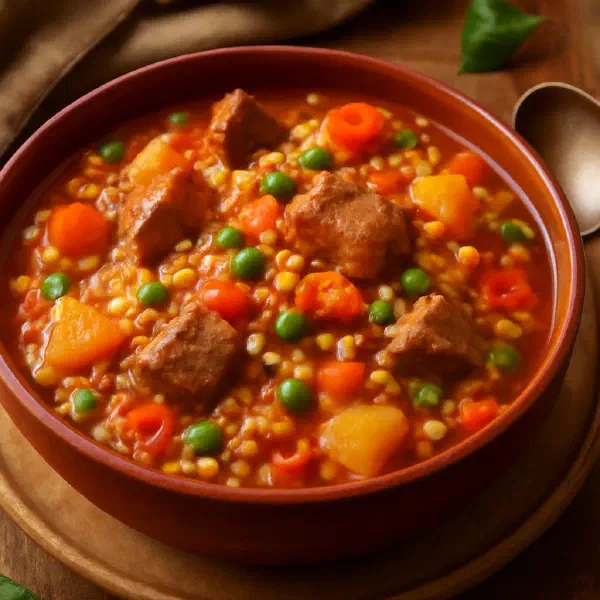
Making the stew vegetarian is simple: just replace the sausage with smoked tofu, vegetarian sausages or an extra portion of beans. For a vegan version, use a good, hearty vegetable stock and a little smoked salt or smoked paprika to hit that typical savoury note. Lentils work well here too: they add protein and make the stew especially nourishing without feeling heavy. The key is to season generously at the end, because with plant-based additions the flavour relies more on herbs and roasted notes. The same hearty spirit runs through the Swabian Lentil Stew.
More tips and tricks
A decisive trick for a well-balanced stew is gentle simmering rather than a rolling boil, so the vegetables and potatoes do not turn to mush. If you like it more robust, lightly brown the onion at the start to give the broth more depth. For a particularly pleasant texture, mash a few potato pieces in the pot at the end, which makes the stew creamier without any cream at all. And if you have leftovers, they often taste even rounder the next day, as the seasonings spread more evenly.
Adapting the recipe to your taste
The great advantage of a stew is its versatility: you can easily vary the vegetables and additions without changing the basic principle. If you want it heartier, add a little bacon or use a smoky sausage, while a milder version works with frankfurters and more potato. For more freshness, stir in chopped parsley or chives at the end, which lifts the flavour noticeably. You can also control the thickness: more stock makes it soupier, less stock with lightly mashed potatoes makes it thick and creamy.
Ingredient substitutions
If you have no leek, spring onions or a little extra onion make a good replacement, though the flavour will be slightly less sweet. Celeriac is optional, but a good alternative would be celery or a small piece of parsnip, which also bring a savoury aroma. With the potatoes you can choose according to the texture you want: floury for more binding or mostly waxy for cleaner pieces in the stew. If you would rather not use sausage, chickpeas or white beans give bite and substance without losing the dish’s character.
Drink pairing ideas
A hearty stew pairs well with drinks that either refresh the palate or harmonise with its savoury notes. Classic and uncomplicated is mineral water (still or sparkling), which cleanses the palate between spoonfuls. For something more traditional, reach for a pale lager or a mild pils, which sits nicely alongside the potato and sausage flavours. Among soft drinks, apple spritzer or an unsweetened herbal tea also works, especially if you have seasoned the stew a little more peppery.
Serving and presentation ideas
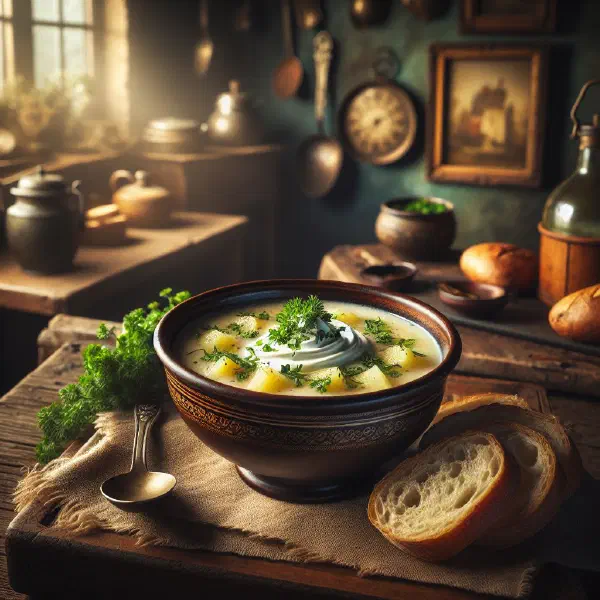
Even a stew can look genuinely appetising if you pay attention to the small details. Serve it in pre-warmed bowls so it stays hot longer and the aromas unfold pleasantly. A topping of fresh herbs such as parsley or chives adds colour and a fresh scent that immediately invites you to dig in. If you serve bread alongside, a slice of hearty mixed-grain bread or rye bread completes the picture, much like a good Rye Bread, and lends that typical down-to-earth feel.
A bit of history
Stews have a long tradition in Germany, as they can be cooked from regional ingredients and are ideal for putting leftovers to good use. In the former East Germany such dishes were especially common, since they were practical and reliably filling in both households and communal kitchens. Typically they followed whatever was in season: potatoes, root vegetables and a savoury addition came together to make a complete meal. It is precisely for this reason that many people still associate a GDR stew with everyday memories, warmth and the idea that a good dish need not be complicated, a thread shared across German cuisine.
More recipe ideas
- Swabian Lentil Stew
- Pea Stew with Bacon
- Rhenish Bean Soup
- Potato and Savoy Cabbage Stew
- Saxon Potato Soup
Summary: GDR Stew
The GDR stew is an uncomplicated German comfort dish that turns potatoes, soup vegetables and a savoury addition into a complete meal in no time. With just a few simple steps you get a creamy consistency and a rounded flavour that you can fine-tune with marjoram, pepper and a good stock. The recipe is easy to adapt, so it works just as well gluten-free, lactose-free, vegetarian or vegan without losing its down-to-earth character. If you have leftovers, reheating them the next day is especially worthwhile, as the stew often tastes even more aromatic.