National Dish Germany: GDR Tomato Sauce (Recipe)
In this article
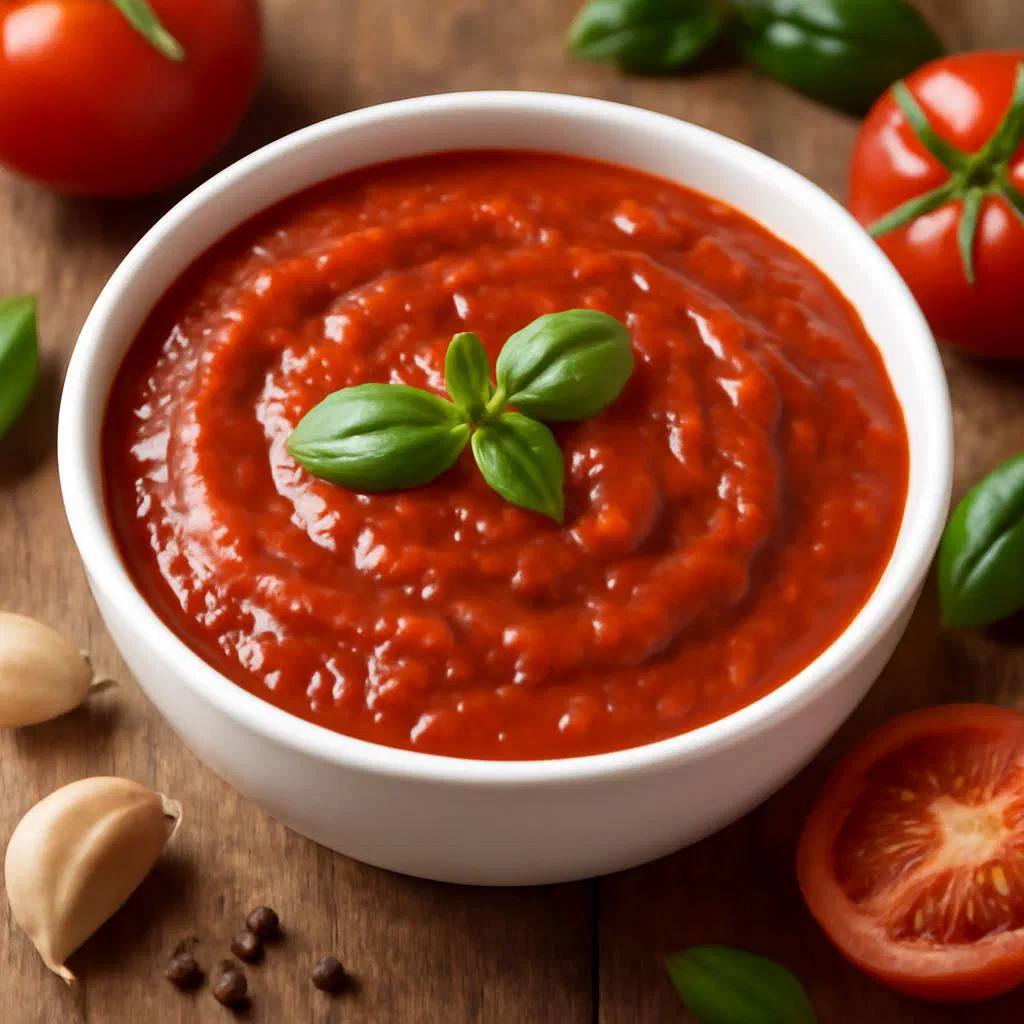
There is something wonderfully reassuring about a sauce that comes together from whatever is already in the cupboard. GDR tomato sauce is exactly that: a thrifty, comforting classic of everyday East German cooking, built on little more than onions, a tomato base and a gentle hand with the seasoning. Mild, faintly sweet and pleasingly silky, it clings to pasta, spoons happily over rice or potatoes, and reheats beautifully the next day. This is honest family food at its most dependable.
About GDR Tomato Sauce
GDR tomato sauce is a true slice of everyday cooking: simple, filling and made with ingredients many of us already have at home. Its signature is a round, lightly sweet tomato flavour that develops from softened onions and a careful, restrained seasoning. Plenty of people know it as a quick sauce for pasta, but it works just as well with rice, potatoes, or as the base for other dishes. If you appreciate budget-friendly family cooking, this is a sauce that turns out reliably every time and warms through without losing its charm.
Ingredients (serves 1–2)
- 1 small onion, finely diced
- 1 tbsp butter or margarine (or oil as an alternative)
- 1 tbsp flour (for thickening)
- 200–250 ml passata or tomato purée plus water
- 150–200 ml water or vegetable stock
- 1 tsp sugar (optional, for the characteristic mild note)
- Salt and pepper
- 1 pinch sweet paprika
- 1 bay leaf (optional)
With this list you get a sauce that stays classic in flavour while remaining flexible. The onion and the tomato base matter most, because they bring depth and body. The flour does the thickening, so the sauce turns nicely smooth and clings to pasta. If you like a bolder result, stock instead of water adds more savour without altering the basic idea.
Shopping for the ingredients
When shopping, it pays to choose a good tomato quality, as it determines the sweetness and acidity of the sauce. Passata is convenient, while tomato purée often delivers a more intense aroma that you balance out with water or stock. For the typical mild character, a small onion works well, finely diced, it develops a natural sweetness as it softens. If you like to keep a well-stocked larder, passata, tomato purée and dried spices all keep for a long time, making a spontaneous pasta supper possible at any moment.
Preparing the dish
For an even sauce, the preparation is decisive: chop the onion very finely so it does not intrude later and gives up its aroma well. Have all the ingredients to hand, because the thickening with flour moves quickly and you do not want to be searching for anything. If you are using tomato purée, it is best to mix it with a little water beforehand so that no lumps form and everything stirs in more easily. A small bowl for the spices helps you add the salt, pepper, paprika and optional sugar in measured amounts.
Step-by-step instructions
- Melt the butter/margarine (or oil) in a small pan over medium heat and gently soften the diced onion for 2–3 minutes until translucent.
- Sprinkle in the flour and cook, stirring, for 30–60 seconds so it thickens lightly and loses any raw, floury taste.
- Stir in the passata (or the mixed tomato purée) a little at a time, then pour in the water or stock.
- Season with salt, pepper, paprika and optional sugar; add a bay leaf if you like.
- Let the sauce simmer gently for 8–12 minutes, stirring occasionally, until it turns silky.
- Taste at the end and, if needed, loosen with a splash of water or thicken further with a touch of flour-and-water paste.
The gentle simmer is key, as it lets the flavours marry and softens the tomato acidity. If the sauce seems too thick, a splash of water or stock helps, rather than adding lots of fat or more tomato. If it is too thin, thicken carefully so it does not turn “doughy” and keeps its creamy consistency. Tasting at the end ensures that sweetness, salt and acidity are in balance.
Gluten-free / lactose-free version
For a gluten-free version, replace the wheat flour with cornflour or a gluten-free flour blend. It is best to stir cornflour into a little cold water first and add it only once the sauce is gently simmering, so it thickens without lumps. The recipe turns out lactose-free if you swap the butter for lactose-free butter, margarine or a neutral oil. The flavour stays very close to the original, especially if you continue to soften the onions gently and keep the tomato base from being over-seasoned.
Tips for vegans and vegetarians
In its basic form the sauce is usually vegetarian anyway, as long as you use water or vegetable stock. For a vegan version, simply use oil or plant-based margarine instead of butter and check that the stock contains no animal additives. If you want more umami, you can work in smoked paprika or a very small amount of soy sauce (gluten-free is available) without masking the character. Good additions include fried mushrooms or lentils, which add substance while keeping the sauce down-to-earth. The same homely spirit runs through a hearty bowl of Swabian Lentil Stew.
More tips and tricks
A classic point is not to let the onions go too dark, otherwise the sauce tastes bitter rather than mild. If you want a particularly fine texture, you can briefly blend the finished sauce, which also makes any pieces of onion disappear completely. For more depth, a short toasting of the tomato purée before adding liquid helps, because it creates a more intense aroma. If you cook ahead, store the cooled sauce in the fridge and reheat it slowly so it does not catch and its binding stays stable.
Adapting the recipe to your taste
If you like it fruitier, increase the proportion of passata and reduce the water slightly so the sauce does not turn watery. For a milder version, you can use a little more sugar or a finely grated carrot, which releases sweetness as it cooks and adds body at the same time. If you want it more robust, use vegetable stock and add a pinch of oregano or marjoram, without turning it into an Italian herb sauce. You can steer the thickness too: less flour for a lighter sauce, or a little more for the typically thick consistency.
Ingredient substitutions
Instead of passata, chopped tinned tomatoes also work; blend them at the end or deliberately keep them rustic. If there is no onion in the house, a small amount of onion powder can help, though fresh onion tastes more aromatic. For thickening, alongside flour and cornflour you can also use grated potato or a spoonful of potato flakes, stirred in sparingly and left briefly to swell. With the fats you can be flexible: oil is neutral, margarine brings a little roundness, and butter gives the classic flavour, provided you can tolerate it. A similar thrifty cleverness shows up in Dripping Bread with Onions.
Drink pairing ideas
With this mild tomato sauce, drinks that are not too acidic work best, so the tomato flavour does not turn sharp. Sparkling water or a light juice spritzer, perhaps with apple, are very fitting because they keep the palate fresh. If you want something warming, reach for black tea or a herbal tea, which support the savoury character of the meal. For a more grown-up pairing, a mild red wine can work, as long as it is not too tannic and does not overpower the sauce.
Serving and presentation ideas
Even a simple dish looks appealing when you plate the sauce neatly and add a few deliberate accents. Spoon the tomato sauce into the centre over the pasta and leave a little pasta visible at the edge, so it does not look like “all red”. A small dollop of plant-based cream or a spoonful of yoghurt (if it suits) can add visual contrast and underline the silkiness. To finish, freshly ground pepper or finely chopped parsley give a clean flourish without changing the familiar flavour.
A bit of history
Tomato sauce, as many know it from GDR cooking, stands for a time when simplicity and availability shaped the recipes. Tinned or jarred tomato products were practical, kept well, and could be turned quickly into a warm meal. Typical is the combination of a base of softened onions and a light thickening, because that turns a few ingredients into a filling sauce. Dishes like this were often cooked so they tasted even better the next day, once the flavours had time to come together, the very logic behind a steaming pot of Pea Stew with Bacon, another stalwart of thrifty German cuisine.
More recipe ideas
These suggestions go well together because they share the same strengths: few ingredients, clear steps and plenty of flavour. They also adapt flexibly to whatever you have in stock and to the season, without becoming complicated. Combinations of sauce, potatoes or pasta in particular are handy when you are short on time but still want something warm on the table. If you like cooking ahead, stews and sauces are especially rewarding because they are often even more aromatic reheated.
Summary: GDR Tomato Sauce
GDR tomato sauce is an uncomplicated, tried-and-tested sauce that comes together quickly from onions, a tomato base and a light thickening. It lives off its mild seasoning, its silky consistency and the freedom to adjust it to your own taste with small tweaks. Thanks to alternatives for the flour and fat, it can easily be cooked gluten-free or lactose-free, and a vegan version is no trouble at all. The result is an everyday dish that suits pasta, rice or potatoes and convinces both freshly made and the day after.