National Dish Germany: Green Bean Stew (Recipe)

In this article
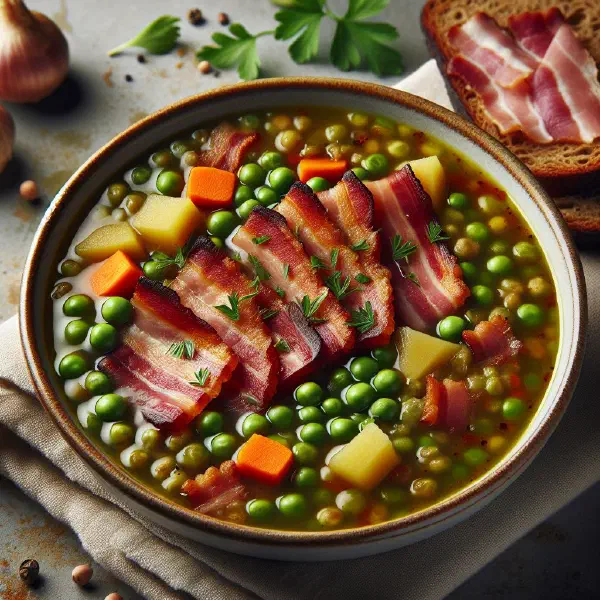
Discover Green Bean Stew, a wholesome one-pot dish that sits right at the heart of traditional German cooking. Fresh green beans, tender potatoes and savoury bacon simmer together into something deeply comforting, the kind of dish that fills the kitchen with the warm aroma of home. Long a favourite in Germany’s rural regions, it is perfect for sociable evenings, family gatherings and lazy weekends. Simple to make and built around honest, seasonal ingredients, it is hearty cooking at its very best.
About Green Bean Stew
Green Bean Stew is a true traditional dish of German cuisine, especially treasured in the country’s rural regions. The combination of fresh green beans, tender potatoes and savoury bacon gives this stew a hearty flavour that calls to mind the warmth of home cooking. It is often enjoyed in good company, which makes it an ideal choice for family get-togethers or cosy evenings with friends. Its straightforward preparation and reliance on regional ingredients have made the Green Bean Stew a genuine classic of German country cooking.
Ingredients (serves 1–2)
- 300 g fresh green beans
- 400 g potatoes
- 150 g bacon
- 1 onion
- 1 litre vegetable stock
- 2 tablespoons oil
- Salt and pepper, to taste
Shopping for the ingredients
To make a delicious Green Bean Stew, it pays to keep an eye on the quality of your ingredients. Choose fresh, crisp green beans and waxy potatoes for the best flavour. The bacon is ideally bought from a local butcher to guarantee a proper, full-bodied taste. Don’t forget to use fresh or homemade vegetable stock as well, which will deepen the savoury character of the stew. A good market visit will set the dish up beautifully.
Preparing the dish
Before you start cooking, take a little time to prepare all the ingredients thoroughly. The green beans are washed and cut into bite-sized pieces, while the potatoes are peeled and diced. Chop the onion finely so its aroma can come through fully, and cut the bacon into small cubes so it spreads evenly through the stew and lends every spoonful its hearty savour. A tidy work surface makes the whole process smoother.
Step-by-step instructions
- Heat the oil in a large pot and fry the onion and bacon until the onion turns translucent.
- Add the diced potatoes and sauté them briefly with the onion and bacon.
- Pour in the vegetable stock and bring everything to the boil.
- Add the prepared green beans and let the stew simmer gently over low heat for about 20–25 minutes, until the beans and potatoes are tender.
- Season with salt and pepper to taste, then serve warm.
Gluten-free / lactose-free version
The Green Bean Stew is easy to make gluten-free and lactose-free. Simply make sure the vegetable stock is gluten-free, and stick to fresh, unprocessed ingredients wherever possible. This keeps the dish suitable for anyone with food intolerances. You can enjoy the stew without a second thought and still treat yourself to a proper bowl of traditional comfort food.
Tips for vegans and vegetarians
For a vegan or vegetarian version of the Green Bean Stew, simply swap the bacon for smoked peas or cubes of smoked tofu. A thoughtful drizzle of seasoned olive oil can also lend the dish that characteristic smoky note. Be sure to choose a plant-based vegetable stock. With those small swaps, there is nothing standing between vegans, vegetarians and a thoroughly satisfying bowl. The same hearty spirit runs through the Rhineland Bean Soup.
More tips and tricks
A few extras such as fresh herbs or warming spices can lift the flavour of the stew considerably. Fresh dill or parsley make a lovely garnish, and a pinch of nutmeg can round the aromas off beautifully. Experiment with different additions to find your own favourite version. A ladle of this stew is a close cousin to the comforting Pomeranian Potato Soup.
Adapting the recipe to your taste
Depending on your preferences, you can easily adapt the Green Bean Stew by adding extra vegetables such as carrots or celery. These bring more flavour and extra nutrients to the pot. You might also try different varieties of potato to change the texture of the dish. Make the recipe entirely your own and let your personal one-pot creation shine.
Ingredient substitutions
Sometimes not every ingredient is to hand, or you simply have your own preferences. If fresh green beans aren’t available, frozen beans work well too. Just add them towards the end of the cooking time so they keep their bite. Instead of regular potatoes, other starchy vegetables such as sweet potatoes can be used to give the stew a fresh new note. For a similar swap of comforting roots and greens, take a look at the Potato and Savoy Cabbage Stew.
Drink pairing ideas
The right drink is part of a successful meal. A light, well-chilled white wine such as Riesling pairs wonderfully with the hearty Green Bean Stew. A fresh apple juice or an alcohol-free beer also make pleasant accompaniments. Let your imagination run free and choose a drink that suits your own taste.
Serving and presentation ideas
The way you present your Green Bean Stew can add a great deal to the pleasure of the dish. Serve the stew in colourful bowls or pots and garnish it with fresh herbs. A few slices of crusty bread alongside are all you need to round the meal off. That way your dish is delicious and a feast for the eyes.
A bit of history
The Green Bean Stew has a long tradition in German cuisine. It was originally made by rural communities, who combined fresh vegetables and meat to create a nourishing meal. Over time the dish was handed down from generation to generation, and it remains a much-loved recipe in many households today. It brings together thrift and tradition, reflecting the rich food culture of German cuisine.
More recipe ideas
Summary: Green Bean Stew
The Green Bean Stew is a hearty, traditional dish made from simple, regional ingredients. Its versatility means the recipe can be shaped and adapted to your own preferences. Whether in a vegan version or with an extra pinch of spice, this stew remains a real treat and a true piece of German culinary heritage. Enjoy the flavours and the warmth that this dish brings with every single spoonful.