National Dish Germany: Green Spelt Fritters (Recipe)
In this article
Meet Green Spelt Fritters, a true gem of Swabian cooking from the heart of southern Germany. These little patties are made from green spelt, wheat harvested while still unripe and gently roasted, which lends them a wonderfully nutty character and a satisfying bite. Wholesome, vegetarian and packed with flavour, they make a lovely starter or a hearty side, and they bring a taste of rustic regional tradition to any table.
About Green Spelt Fritters
Green Spelt Fritters are a genuine highlight of Swabian cuisine, offering an incomparable taste experience. They are built around green spelt, the not-yet-fully-ripened spelt grain, which brings a nutty note and a distinctive texture to the mix. These little cakes are vegetarian and full of wholesome nutrients, making them a great choice for anyone who enjoys alternative, plant-forward eating. They are perfectly suited as a starter or as a side dish to accompany all sorts of meals.
Ingredients (serves 1–2)
- 150 g green spelt
- 1 small onion
- 1 clove of garlic
- 50 g feta cheese (or a vegan alternative)
- 1 egg (or a chia egg for vegans)
- 2 tablespoons flour (or a gluten-free version)
- 1 teaspoon salt
- Pepper to taste
- Oil for frying
Shopping for the ingredients
When shopping for the ingredients for your green spelt fritters, it is well worth choosing fresh, high-quality produce. Visit your local health-food shop or the stalls at a weekly market to find the best green spelt and the freshest vegetables. Make sure the green spelt is well packaged and shows no visible damage. Fresh onions and garlic round out the flavour and aroma of the fritters beautifully, much as they do in a Swabian Lentil Stew.
Preparing the dish
Preparing the dish begins with cooking the green spelt, if you have not already pre-cooked it. Let the green spelt simmer in plenty of water for about 30 minutes, until it is soft. While the grain cooks, finely chop the onion and garlic and sauté them in a pan. These aromatics add a wonderful savoury depth to the recipe and are essential to the flavour of the fritters.
Step-by-step instructions
- Drain the pre-cooked green spelt and tip it into a bowl.
- Add the onion and garlic and mix well.
- Crumble in the feta cheese and fold it through the mixture.
- Add the egg and the flour and combine everything thoroughly.
- Season with salt and pepper and let the mixture rest for about 10 minutes.
- Heat oil in a pan and shape the mixture into small fritters.
- Fry them golden brown on both sides, then drain on kitchen paper.
Gluten-free / lactose-free version
A gluten-free version is easy once you reach for gluten-free flour. You can also use gluten-free breadcrumbs as a binder if you prefer. For a lactose-free version, swap the feta cheese for a lactose-free soft cheese or a vegan cheese alternative. These small adjustments make the dish accessible to every kind of diet while keeping all of its delicious flavour intact.
Tips for vegans and vegetarians
For vegans, it is important to use a chia egg. To make one, mix 1 tablespoon of chia seeds with 2.5 tablespoons of water and let it swell. This egg substitute works splendidly and provides exactly the binding you need. Beyond that, any cheese in the recipe should be replaced with a plant-based alternative. These tips show that green spelt fritters can be enjoyed by everyone while staying every bit as tasty.
More tips and tricks
A few simple tips and tricks make the fritters even easier to get right. For example, fry a small test portion before cooking the whole batch so you can adjust the seasoning to taste. Always let the fritters drain on kitchen paper after frying to remove any excess oil. That way they stay lovely and crisp and feel pleasantly light.
Adapting the recipe to your taste
The green spelt fritter recipe lends itself wonderfully to adapting to your own taste. Like things spicier? Add a pinch of chilli or paprika. If you would prefer more vegetable pieces in the mix, stir in some grated carrot or chopped spinach. These variations encourage a little creativity and let you shape the fritters exactly to your personal preference.
Ingredient substitutions
If you do not have certain ingredients to hand, there are plenty of alternatives. Instead of green spelt, you can use quinoa or millet, both of which are a good source of protein. If you fancy experimenting with herbs, try fresh thyme or rosemary for an extra aromatic kick, the same fresh, fragrant touch that lifts a Wild Garlic Pesto with Pasta. This keeps the dish exciting and endlessly versatile.
Drink pairing ideas
A range of drinks pairs beautifully with green spelt fritters. A crisp white wine or a light beer harmonises well with the nutty aromas of the fritters. For an alcohol-free option, a refreshing ginger ale or a fragrant herbal tea complements the savoury notes of the meal. These combinations round off the whole taste experience perfectly.
Serving and presentation ideas
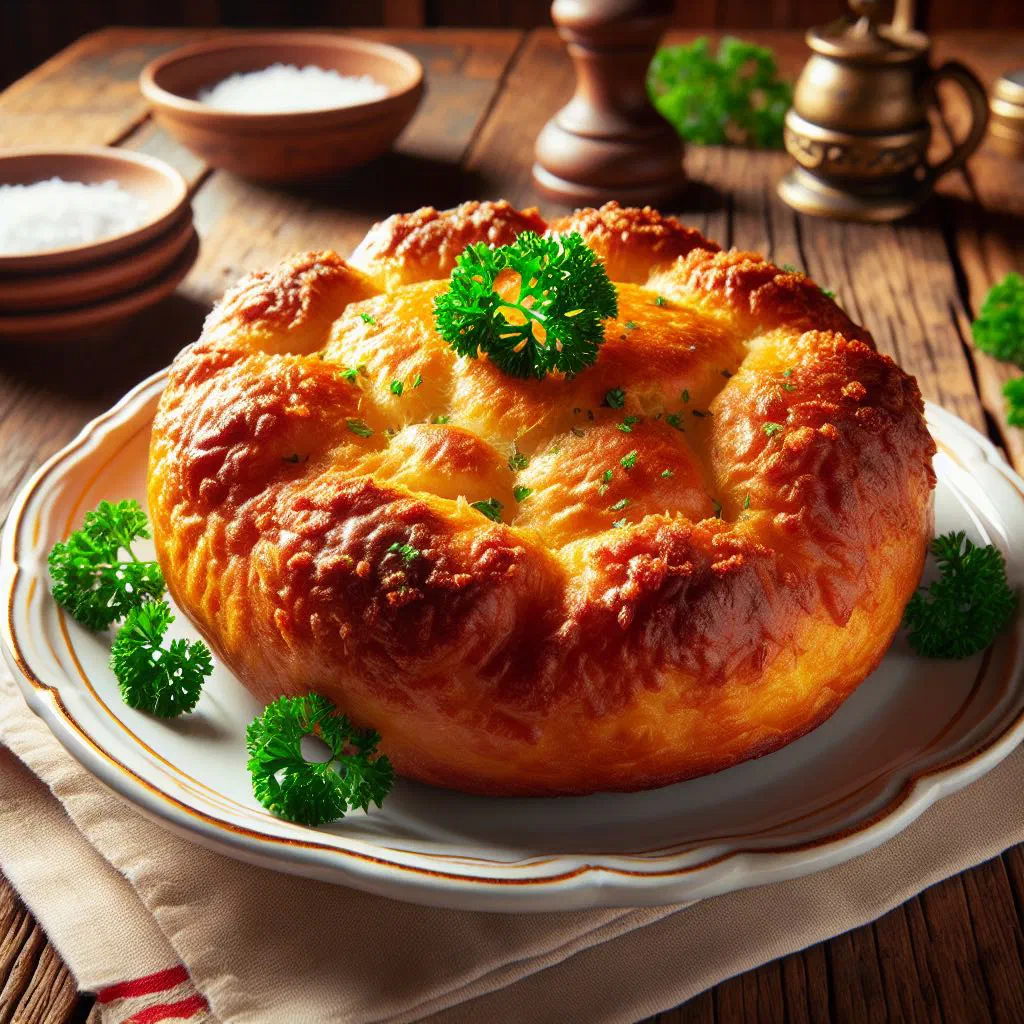
An attractive presentation makes green spelt fritters look even more appealing. Serve the fritters on a large plate and garnish them with fresh herbs such as basil or parsley. A dip of yoghurt or avocado also goes wonderfully with them and turns the dish into a real eye-catcher. Try to keep the colours on the plate harmonious to whet the appetite.
A bit of history
The history of green spelt fritters reaches far back into the Swabian region, where green spelt was often used as a nourishing side dish. Originally prized by farmers as a store for the winter months, the dish has grown over the years into a regional classic. Today you will find green spelt fritters in many traditional restaurants, where they stand as a symbol of local cooking. This reflects the sustainability of green spelt and its versatility in modern German cuisine.
More recipe ideas
- Eifel Potato Pancakes
- Westphalian Pickert
- Herb Spätzle
- Swabian Lentils with Spätzle
- Potato Pancakes with Apple Sauce
Summary: Green Spelt Fritters
Green spelt fritters are a delicious and versatile dish from the Swabian kitchen. With their crisp exterior and savoury filling, they are an excellent choice for anyone craving food that is both wholesome and full of flavour. These little cakes offer an impressive aroma. Let the many possibilities for variation inspire you, and enjoy a piece of Swabian tradition on your plate.