National Dish Germany: Kaiserschmarrn (Recipe)
In this article
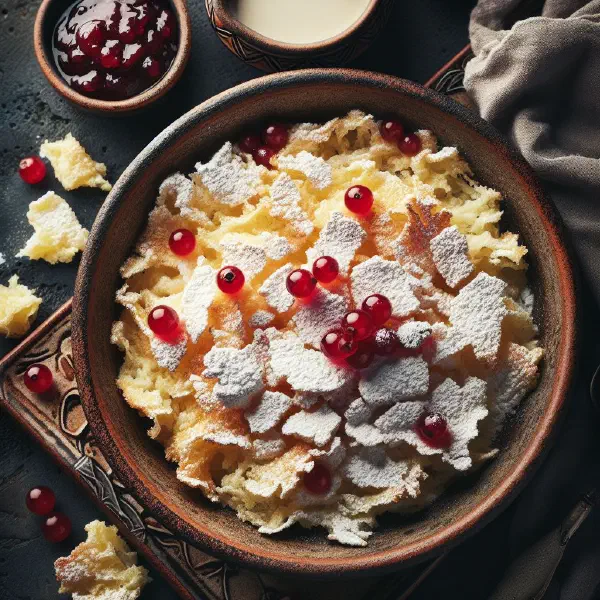
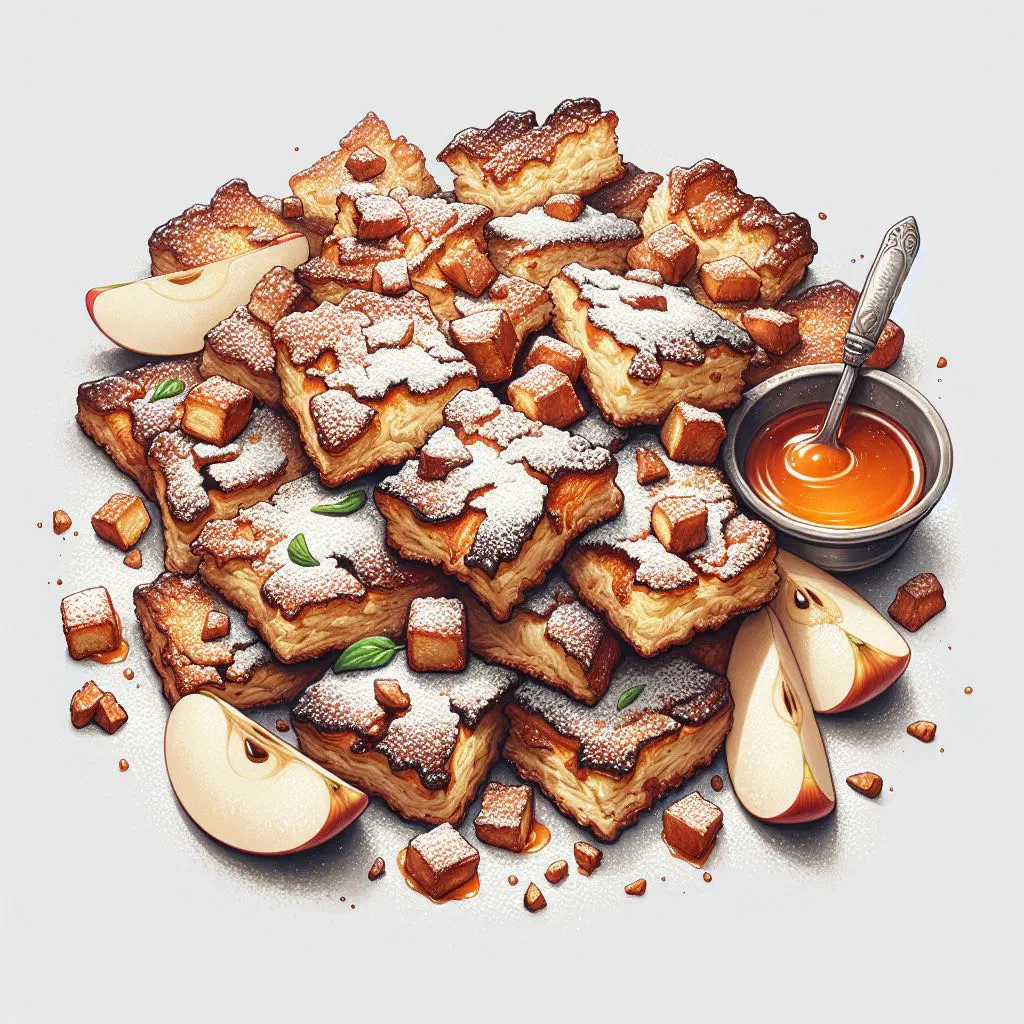
Meet Kaiserschmarrn, one of Germany’s most beloved sweet treats and a proud emblem of Bavarian cooking. This cloud-light, shredded pancake is torn into bite-sized pieces, dusted generously with icing sugar and traditionally served with a spoonful of fruit compote. Born as a humble way to use up leftovers, it has grown into a cherished dessert that brings a little of that famous Alpine cosiness straight to your table.
About Kaiserschmarrn
Kaiserschmarrn is more than a popular dessert; it is a true symbol of Bavarian cuisine. Originally created as a way to use up leftovers, it has become one of Germany’s best-known dishes. Its hallmark is the tender pancake, torn into airy pieces, dusted with icing sugar and frequently served with fruit compote or fresh fruit. The dish is a genuine indulgence, bringing the warmth and cosiness of Bavarian tradition directly to your plate.
Ingredients (serves 1–2)
- 2 eggs
- 100 ml milk
- 80 g flour
- 1 tablespoon sugar
- A pinch of salt
- 2 tablespoons butter
- Icing sugar, for dusting
- Optional: apple sauce or plum compote
Shopping for the ingredients
To make Kaiserschmarrn, you need only a handful of basic ingredients that are easy to find in most supermarkets. Eggs, milk and flour are usually the first items on your shopping list. It is also worth picking up icing sugar and some fresh fruit for the accompaniments. Choose good-quality products wherever you can, as this makes all the difference to the final flavour and texture.
Preparing the dish
Getting ready to cook Kaiserschmarrn is straightforward and does not take long. Start by cracking the eggs into a bowl and whisking them together with the milk and sugar. Next, add the flour and a pinch of salt, mixing everything well until you have a smooth batter. Let the batter rest for a few minutes so it can develop properly before you begin to cook.
Step-by-step instructions
- Heat a frying pan and add 1 tablespoon of butter.
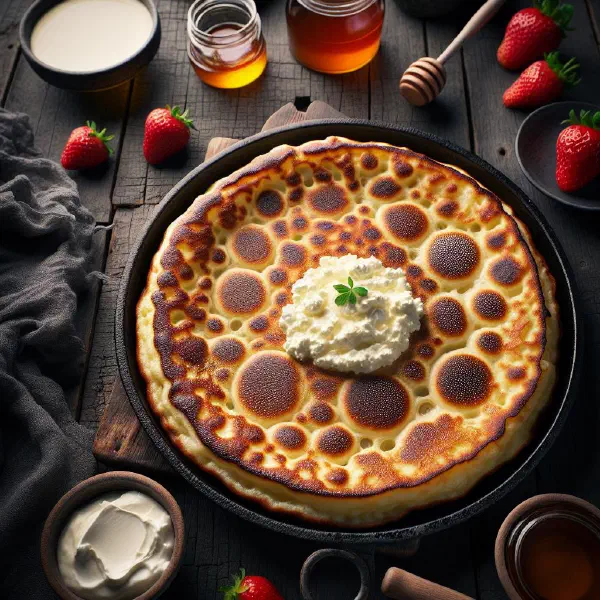
- Pour the batter into the pan and fry over a medium heat until the underside is golden brown.
- Carefully turn the pancake and let the other side turn golden brown as well.
- Once cooked through, tear the pancake into bite-sized pieces.
- Add another tablespoon of butter and fry the pieces briefly until they turn crisp.
- Dust the Kaiserschmarrn generously with icing sugar and serve with compote or fresh fruit.
Gluten-free / lactose-free version
For a gluten-free version of Kaiserschmarrn, simply swap the wheat flour for a gluten-free flour blend. Using lactose-free milk and butter makes the recipe just as easy to adapt. These alternatives let you keep the classic taste and texture of the dish intact, so anyone with an intolerance can still enjoy this Bavarian favourite without compromise.
Tips for vegans and vegetarians
Vegans can enjoy Kaiserschmarrn too, by replacing the eggs with a mixture of plant-based milk and a mashed banana or some apple sauce. Instead of butter, use vegan margarine or coconut oil for cooking. These swaps do not spoil the flavour and offer a wonderful way to experience the traditional dish in a fresh, plant-based form. As ever, there is no limit to your creativity here.
More tips and tricks
To make your Kaiserschmarrn even more delicious, you can enrich it with raisins or chopped nuts. Soaking the raisins beforehand in a little rum or hot water gives them extra flavour. A pinch of cinnamon in the batter adds welcome warmth and aroma to the dish. Experiment with different fruits or toppings to give your Kaiserschmarrn a personal touch.
Adapting the recipe to your taste
The flexibility of the Kaiserschmarrn recipe means there is plenty of room for creative variations. Try folding chocolate chips or fresh berries into the batter for a fruity or chocolatey twist. You can also adjust the amount of sugar to fine-tune the sweetness to your liking. With a little willingness to experiment, you can tailor the recipe perfectly to your own preferences. If you enjoy other sweet German classics, the same playful approach works beautifully with Yeast Dumplings with Vanilla Sauce.
Ingredient substitutions
If you do not have eggs to hand, you can use egg substitutes such as apple sauce or chia seeds. The milk can be replaced with oat milk or almond milk just as easily. When choosing a flour alternative, a combination of buckwheat and rice flour works particularly well, especially for gluten-free versions, much like the batter behind Buckwheat Pancakes. These substitutions let you achieve delicious results whatever your dietary needs.
Drink pairing ideas
A serving of Kaiserschmarrn pairs wonderfully with a range of drinks. A classic Bavarian apple cider or a glass of homemade lemonade complements the dish perfectly. For the grown-ups, a glass of white wine or sparkling wine can add a festive touch. Choose a drink that supports the sweet flavours of the Kaiserschmarrn to create a harmonious tasting experience.
Serving and presentation ideas
Presentation plays an important role when it comes to serving Kaiserschmarrn. Use attractive plates and garnish the dish with fresh fruit and a final dusting of icing sugar. You could also add edible flowers or a sprig of mint for a splash of colour. An appealing presentation turns the meal into a special occasion and appeals to the eyes as much as the palate.
A bit of history
Kaiserschmarrn has a fascinating history that reaches back to the 19th century. It is said to have been named after the Austrian Emperor Franz Joseph I, who was known for his fondness of the sweet dish. Originally popular in Tyrol and Bavaria, it has since made a name for itself across the entire German-speaking world. Today it is a much-loved dessert and a firm part of Bavarian and Austrian culture, often served at festivals and markets, a sweet counterpoint to the savoury staples of German cuisine.
More recipe ideas
- Yeast Dumplings with Vanilla Sauce
- Rice Pudding with Cinnamon
- Bavarian Cream
- Buckwheat Pancakes
- Hamburg Red Berry Pudding
Summary: Kaiserschmarrn
Kaiserschmarrn is a traditional German dish that wins everyone over with its fluffy, torn pancakes. Its many variations and accompaniments make it a real culinary treat. With simple ingredients and an uncomplicated method, you can bring a slice of Bavarian cosiness into your own kitchen.