National Dish Germany: Kohlrabi Stew (Recipe)
In this article
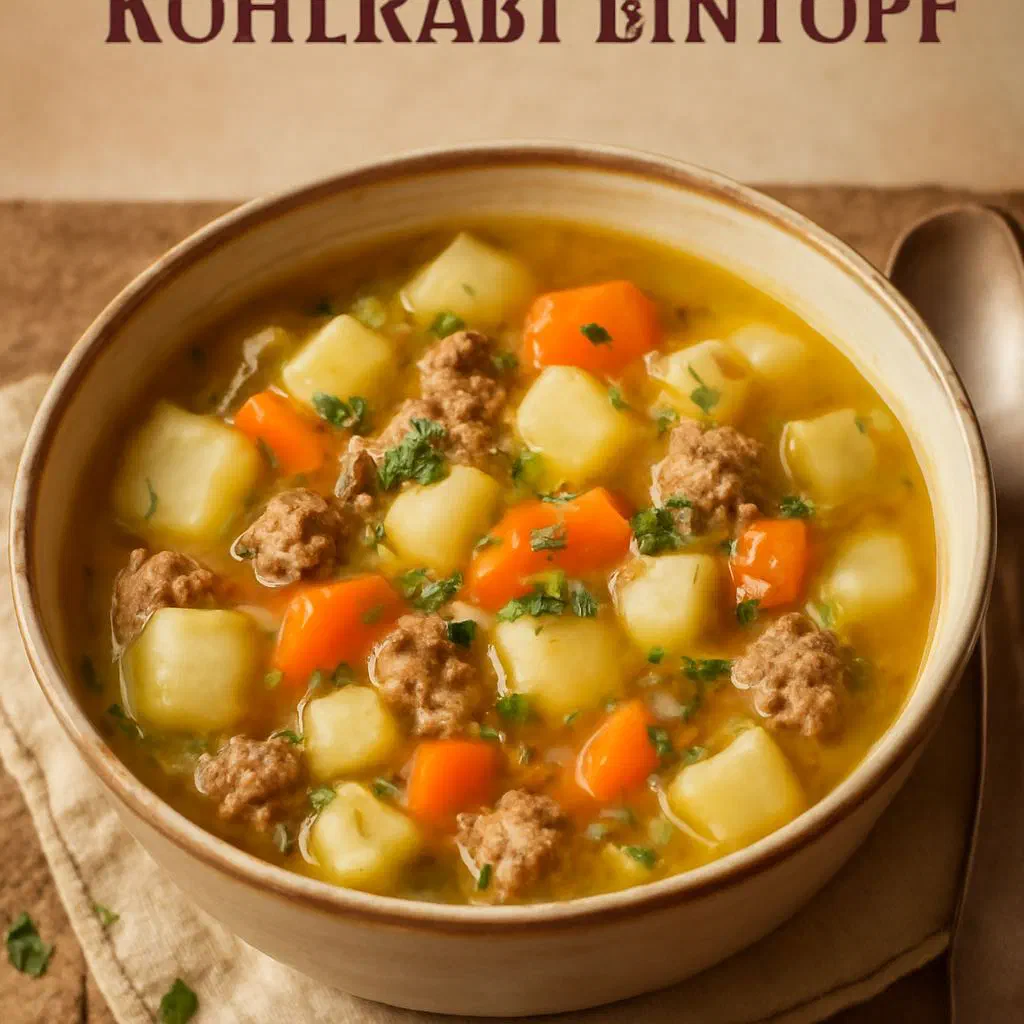
Few dishes capture honest, homely cooking quite like Kohlrabi Stew, a down-to-earth one-pot classic with roots in everyday East German kitchens. Mild kohlrabi, soft potatoes and a hearty helping of sausage or bacon simmer gently into a warming, filling bowl that asks for very little and gives back plenty. It is the kind of food that was made in big batches, kept well, and somehow tasted even better the next day. Bring this thrifty, comforting GDR recipe to your own table and rediscover why simple stews never go out of fashion.
About Kohlrabi Stew
The Kohlrabi Stew (GDR recipe) is a down-to-earth dish built around warmth, substance and straightforward preparation. Its hallmark is the pairing of mild kohlrabi and potatoes with a hearty addition such as sausage or bacon, which rounds out the flavour beautifully. In many households a stew like this was a dependable everyday meal, made from just a handful of ingredients and easy to cook in larger quantities. Better still, it often tastes even nicer the following day, once the flavours have had time to mingle and deepen.
Ingredients (serves 1–2)
- 1–2 kohlrabi (about 400–600 g)
- 2–3 potatoes (about 250–350 g)
- 1 carrot (optional, for a touch of sweetness)
- 1 small onion
- 1 tablespoon butter or oil
- 600–800 ml vegetable stock (or meat stock)
- 100–150 g frankfurters / Bockwurst / Jagdwurst (optional)
- 1–2 tablespoons cream or milk (optional, for creaminess)
- Salt, pepper, a pinch of nutmeg
- 1–2 tablespoons chopped parsley (or dill, to taste)
Shopping for the ingredients
When shopping it pays to go for seasonal produce, as kohlrabi is then usually cheaper and more flavourful. Fresh kohlrabi has crisp leaves and a smooth bulb with no soft spots, which later improves both the cooking time and the texture. Try to pick potatoes of a similar size so they cook evenly once diced and the stew does not “fall apart”, with some pieces collapsing while others are still firm. If you are using sausage, choose a variety you would happily eat cold too, the flavour is not hidden in the stew but clearly carries the dish.
Preparing the dish
For a good base, peel the kohlrabi and potatoes thoroughly and trim away any woody parts from the kohlrabi so that everything turns out pleasantly tender. Cut the vegetables into even cubes, as this lets all the components cook at the same rate and gives you a harmonious consistency. The onion should be finely diced so it spreads evenly as it sweats down and forms an aromatic foundation. If you are using parsley, chop it only just before serving so it stays fresh and its aroma does not fade away.
Step-by-step instructions
- Sweat the onion in butter or oil over medium heat for 2–3 minutes until translucent.
- Add the potato and kohlrabi cubes (and the carrot, if using) and sweat for a further 2 minutes.
- Pour in the stock, bring to the boil, then leave to simmer gently for 15–20 minutes until everything is soft.
- Optional: slice the sausage and warm it through during the last 5 minutes so it stays juicy.
- Optional: round off with cream or milk, then season generously with salt, pepper and nutmeg.
- Scatter over the parsley and serve piping hot.
Gluten-free / lactose-free version
By nature, kohlrabi stew is usually gluten-free, as long as you avoid thickened ready-made stocks or a flour-based roux. Check that your stock and sausage are explicitly labelled gluten-free, since some products contain seasoning blends or stabilisers. For a lactose-free version, swap the butter for oil or lactose-free butter and use lactose-free cream or a plant-based alternative. If you would like the stew creamier, you can also mash one potato a little. This thickens it nicely without any dairy at all.
Tips for vegans and vegetarians
The stew turns out wonderfully vegetarian if you use a robust vegetable stock in place of meat stock and simply leave out the sausage or replace it with vegetarian sausages. To make it vegan, also swap the butter and cream for plant-based alternatives such as rapeseed oil and oat cuisine. For extra umami you can work in a small spoonful of mustard, some smoked paprika or a splash of soy sauce (a gluten-free version is available) without losing the dish’s essential character. For a more filling result, white beans or chickpeas warmed through at the end work a treat, much like the pulses that anchor a Swabian Lentil Stew.
More tips and tricks
If you like your stew especially aromatic, sweat the onions a little longer until they turn lightly golden, taking care not to let them burn. For a better consistency it helps to lightly crush some of the potatoes with a spoon so the stew becomes smoother. Store any leftovers in the fridge and reheat them slowly the next day. That way the vegetables hold their shape and the flavour often comes across even more intense. When reheating, add a small splash of stock if needed so everything turns nicely “stew-like” again.
Adapting the recipe to your taste
You can easily adapt the kohlrabi stew to your own taste without losing its familiar character. If you prefer it more aromatic, add a little marjoram or a hint of caraway, which pairs particularly well with kohlrabi and potatoes. For a lighter version, reduce the amount of sausage or choose a leaner addition, while for a heartier take you can briefly render some smoked bacon with the onion. The vegetable pieces can be varied too: cut coarsely they feel more rustic, while a finer cut cooks faster and looks a touch more refined on the plate.
Ingredient substitutions
If no kohlrabi is available, you can use swede or cauliflower instead, the flavour will turn out slightly different, but the principle stays much the same. The potatoes can be partly replaced with parsnip, which brings a gentle sweetness and also thickens well, in the same spirit as a Potato and Carrot Mash. In place of cream, a spoonful of cream cheese, soured cream or a plant-based cooking cream works if you want a creamy note. For the addition, you can choose between frankfurters, Jagdwurst or even smoked tofu, so the dish can be interpreted in a way that is both traditional and modern.
Drink pairing ideas
A hearty stew calls for drinks that are not too dominant, so the flavour of the kohlrabi and stock stays to the fore. A light beer or a mild cellar beer is a lovely match if you like the classic approach and want something savoury alongside. Without alcohol, sparkling mineral water or an apple or blackcurrant spritzer works well, as the acidity provides a pleasant contrast to the mild creaminess. An unsweetened herbal tea can also work nicely, especially on cold days when you serve the stew as a genuine comfort meal.
Serving and presentation ideas
Even a simple stew looks more appetising if you pay attention to small details. Serve it in pre-warmed bowls so it stays hot longer and the aroma comes through all the more strongly as you eat. A topping of fresh parsley or dill adds colour and freshness, while a few slices of sausage on top instantly show what is in store. As an accompaniment, a piece of hearty bread or a slice of Rye Bread served separately is ideal, so it does not go soggy.
A bit of history
Stews held a firm place in everyday East German life because they were practical, affordable and easy to plan around. Kohlrabi was readily available in many regions and, combined with potatoes, made a nourishing meal that needed few spices to satisfy. The recipe was often adapted to whatever happened to be on hand, which is why so many family variations survive to this day. It is exactly this simplicity that makes the kohlrabi stew so timeless: uncomplicated, filling and easy to cook ahead for several days, a quiet cornerstone of homely German cuisine.
More recipe ideas
Summary: Kohlrabi Stew
The Kohlrabi Stew (GDR recipe) wins you over with simple ingredients, an uncomplicated method and a mild, savoury flavour that feels familiar to so many. With kohlrabi, potatoes and a good stock you get a filling dish that can be adapted to taste, with sausage, vegetarian or fully vegan. Proper seasoning with nutmeg, pepper and fresh herbs gives the stew real depth without ever becoming complicated. If you are after a dependable comfort meal that still tastes wonderful the next day, this recipe is an excellent choice.